
Top 8 Travel Tips for Visiting Thailand
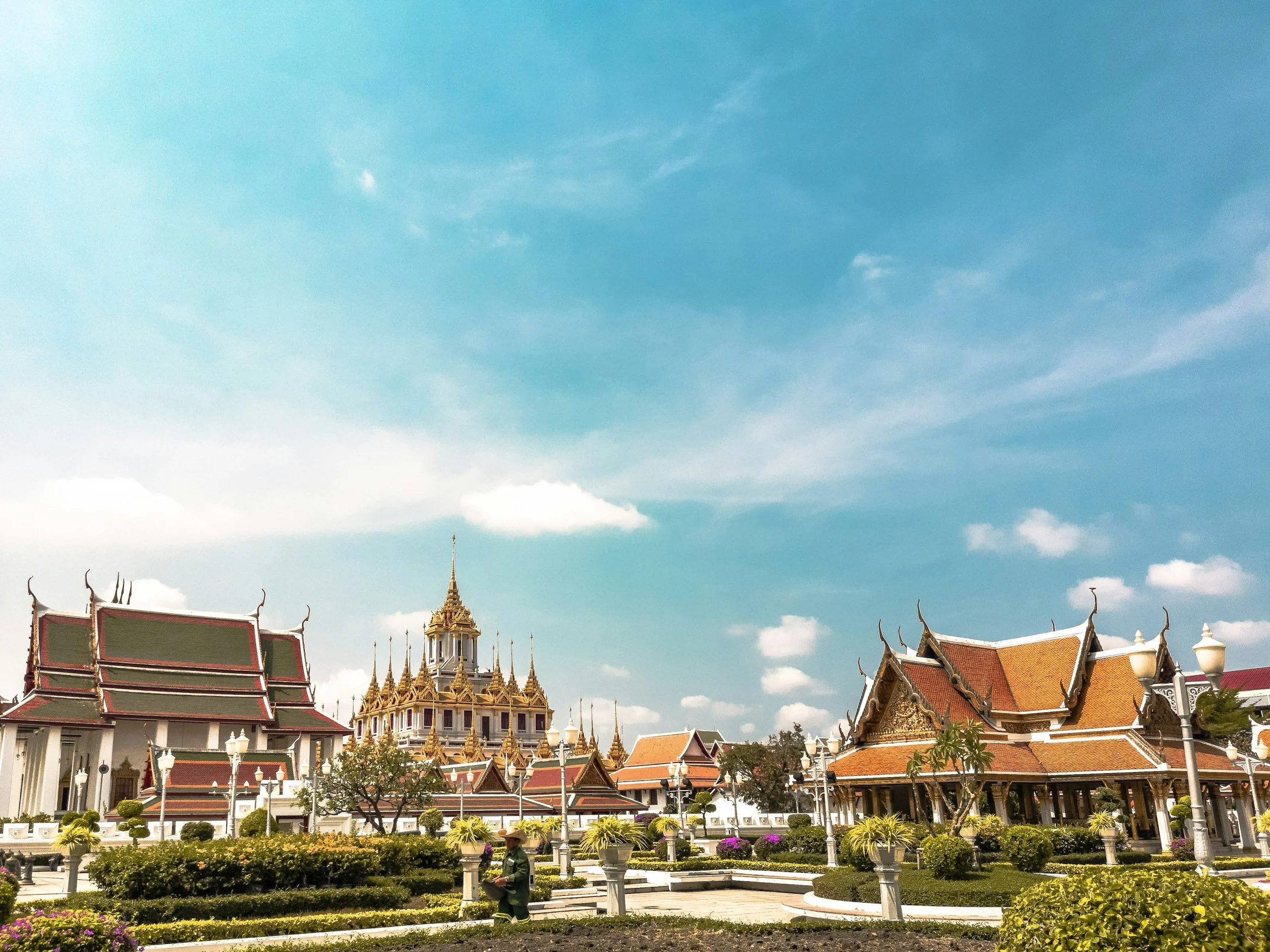
Bangkok's Suvarnabhumi Airport processes over 60 million passengers a year, and that first hour after landing sets the tone for everything that follows. Thailand rewards travelers who plan a little and punishes those who wing it entirely, especially during high season from November through February when temples, beaches, and train stations fill up fast. These eight tips cover the practical details that make the difference between a trip that flows and one that feels like constant problem-solving.
Time Your Visit Around the Weather, Not Just the Calendar
Thailand has three seasons, not two: cool and dry from November to February, hot from March to May, and rainy from June to October. The cool season draws the biggest crowds and highest prices, particularly in Chiang Mai and the islands. If crowds bother you more than heat does, April and May offer thinner tourist numbers, though temperatures can climb past 95°F in Bangkok. The rainy season isn't a washout either — storms tend to arrive in short, heavy bursts rather than lasting all day, and hotel rates drop noticeably.
Get the Visa Situation Right Before You Fly
Many nationalities, including US, UK, Canadian, and Australian passport holders, can enter Thailand visa-free for up to 60 days for tourism purposes as of current policy. That said, rules shift, so check the Thai embassy website or a trusted visa service no more than a few weeks before departure. Immigration officers at the airport sometimes ask for proof of onward travel or accommodation, so keep a printed hotel confirmation and return flight itinerary on hand. Overstaying carries fines of 500 baht per day, capped at 20,000 baht, and can complicate future entries.
Pack for Temples, Not Just Beaches
Thailand's beach reputation leads a lot of travelers to overpack swimwear and underpack modesty. Most temples, including the Grand Palace in Bangkok and Wat Phra That Doi Suthep in Chiang Mai, require covered shoulders and knees for entry, and some rent sarongs at the gate if you show up unprepared. A lightweight long-sleeve shirt and a pair of loose linen pants solve this problem without adding bulk to your bag. Slip-on shoes are worth the investment too, since you'll be removing them constantly at temples, homes, and some restaurants.
Learn the Basics of Thai Currency and Bargaining
The Thai baht fluctuates, but a rough benchmark of 30 to 35 baht per US dollar has held steady in recent years. ATMs are everywhere, though most charge a foreign transaction fee of around 220 baht per withdrawal, so pulling out larger amounts less frequently saves money. Bargaining is expected at markets like Chatuchak in Bangkok or the night bazaars in Chiang Mai, but not in malls, convenience stores, or restaurants with printed menus. A polite counteroffer at roughly 40 to 60 percent of the initial asking price is normal and won't offend anyone.
Choose Transportation Based on Distance, Not Habit
Bangkok's BTS Skytrain and MRT subway are fast, air-conditioned, and cheap, usually under 60 baht per ride, and they avoid the city's notorious traffic entirely. For longer distances between regions, domestic flights on carriers like Bangkok Airways or Thai AirAsia often cost less than an overnight train and save hours. Tuk-tuks are fun for short novelty rides but are almost always pricier than metered taxis for the same distance. In Phuket, Krabi, or Koh Samui, renting a scooter is common, but Thailand has one of the highest road fatality rates in Southeast Asia, so a helmet and an international driving permit aren't optional extras.
Eat Where the Locals Eat
Some of the best meals in Thailand come from open-air stalls with plastic stools, not hotel restaurants. Look for stalls with a steady stream of local customers and food cooked to order over visible heat, which is a good sign of both freshness and safety. Bottled or filtered water is standard practice, including for brushing teeth in more rural areas. Street food in Bangkok, particularly around Chinatown and Ari, regularly outshines fine dining at a fraction of the price.
Respect the Monarchy and Buddhist Customs
Thailand takes lèse-majesté laws seriously, and public criticism of the royal family carries real legal consequences, even for tourists. Buddhist monks are also held to specific customs: women should avoid direct physical contact with monks, and everyone should keep their feet pointed away from Buddha images and other people when seated. Removing shoes before entering someone's home or certain shops is standard, and a small nod with hands pressed together, called a wai, is the customary greeting rather than a handshake.
Consider a Local Guide for a Smoother, Higher-End Experience
If your schedule is tight or you want access to experiences that aren't easy to arrange independently, such as private island charters, chef's table dinners, or after-hours temple visits, a specialist operator can make a real difference. Companies that focus on Thailand luxury trips tend to have relationships with boutique properties and local guides that aren't listed on typical booking sites. This matters most during peak season, when the best boats, drivers, and restaurant tables get reserved weeks in advance.
The biggest mistake travelers make in Thailand isn't a logistical one — it's trying to see too much in too little time. Pick two or three regions, whether that's Bangkok, Chiang Mai, and one island, and give each enough days to slow down. Thailand rewards travelers who linger far more than those who rush from checklist to checklist.
