
What "Applied Science" Actually Means for This Specific Credential
An Associate of Applied Science carries a specific designation that distinguishes it from a general associate degree, and this distinction matters more than the similar-sounding titles might initially suggest. The "applied science" framing signals a curriculum built specifically around hands-on technical execution rather than broader academic theory, meaning coursework concentrates heavily on skills a student will use directly in production and technical design roles. Details at https://www.istitutomarangonimiami.edu/undergraduate-programs/associate-of-applied-science-in-fashion-design/ typically reflect this applied focus, structuring the program around pattern drafting, garment construction, and technical execution rather than the broader theoretical and business coursework a bachelor's program might include alongside these same technical fundamentals.
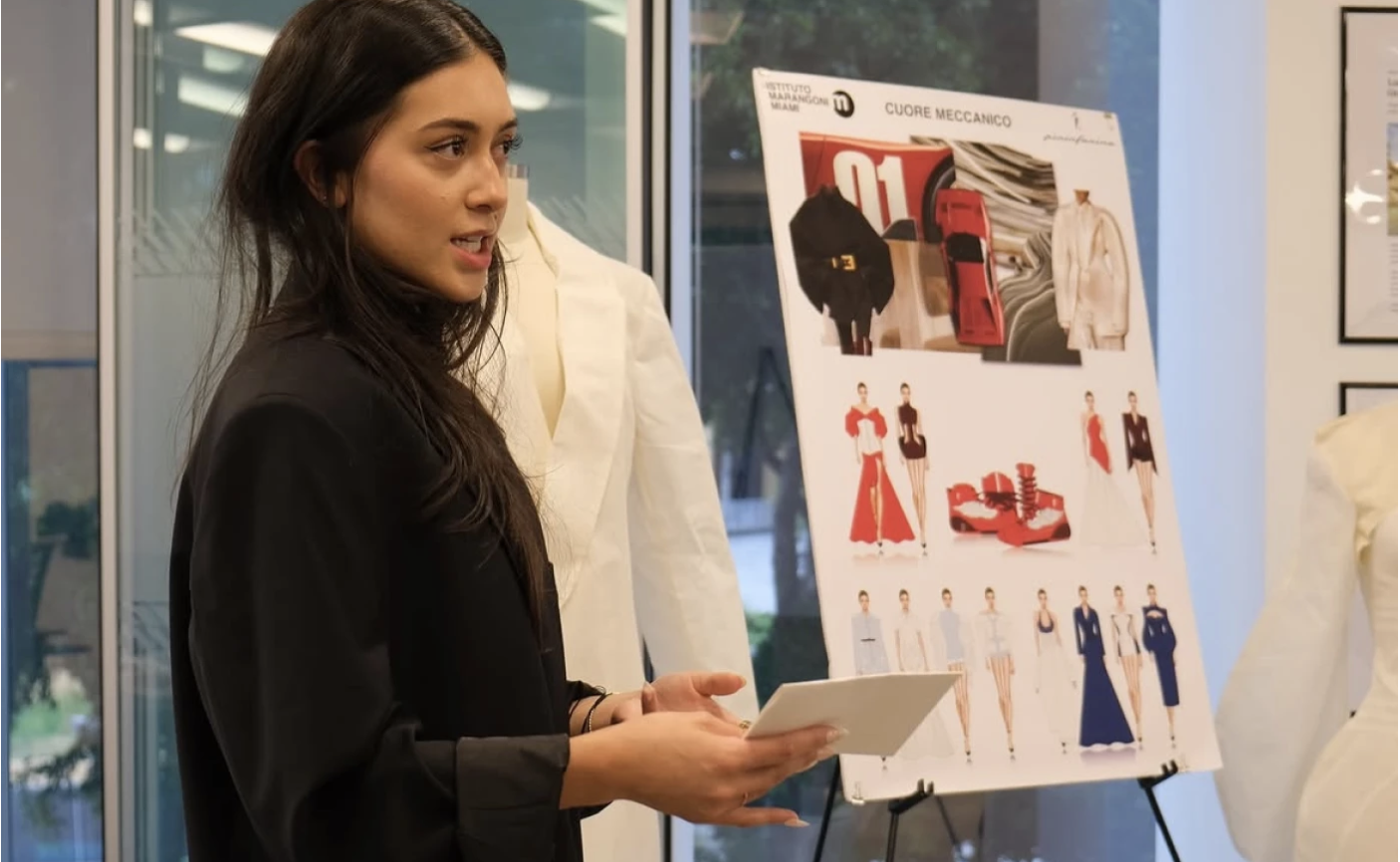
This applied orientation suits students who already know they want to work directly with garment construction and technical execution, rather than students still exploring broader questions about design philosophy or business strategy within the fashion industry. Someone drawn specifically to the technical craft of building garments, translating a design concept into an actual, wearable, properly constructed piece, finds this concentrated technical focus more directly useful than a curriculum split across technical training and broader theoretical or business coursework that a differently oriented student might value more highly.
Why Portfolio Development Looks Different in an Applied Program
A portfolio built through an applied science program tends to emphasize technical execution and construction quality alongside design concept, differing somewhat from a portfolio built through a program weighted more heavily toward conceptual design theory. Employers reviewing portfolios from applied technical programs often look specifically for evidence of clean pattern work, precise construction technique, and the kind of technical competency that translates directly into production floor readiness, rather than judging portfolios purely on abstract design innovation disconnected from actual execution quality.
This distinction matters for how students should approach building their own portfolio throughout the program, prioritizing pieces that clearly demonstrate technical skill and construction quality alongside whatever design concept each piece explores. A visually striking design concept executed with visible technical flaws communicates less favorably to employers hiring for technical or production roles than a more modest design concept executed with genuinely excellent technical precision, since these specific roles prioritize construction competency over conceptual ambition alone.
What Career Paths This Specific Credential Typically Supports
Graduates of applied science fashion design programs typically enter roles emphasizing direct technical execution: pattern maker, sample maker, technical designer, or production assistant positions where day-to-day work centers on translating designs into actual, properly constructed garments rather than originating design concepts independently. These roles exist throughout the fashion industry regardless of company size, from small independent labels needing someone to execute a designer's vision technically, to larger companies with dedicated technical design departments separate from the creative design team itself.
This career path differs from, though doesn't preclude eventually transitioning toward, design director or creative lead roles that typically demand more extensive business and design theory training alongside technical skill. Students uncertain whether they ultimately want a purely technical career path or eventually want to move toward design leadership benefit from discussing this distinction with program advisors early, since understanding realistic career trajectories from this specific credential helps set appropriate expectations about what doors this particular degree opens most directly compared to a differently structured bachelor's program.
