
What Is An EHS System And How Does It Work
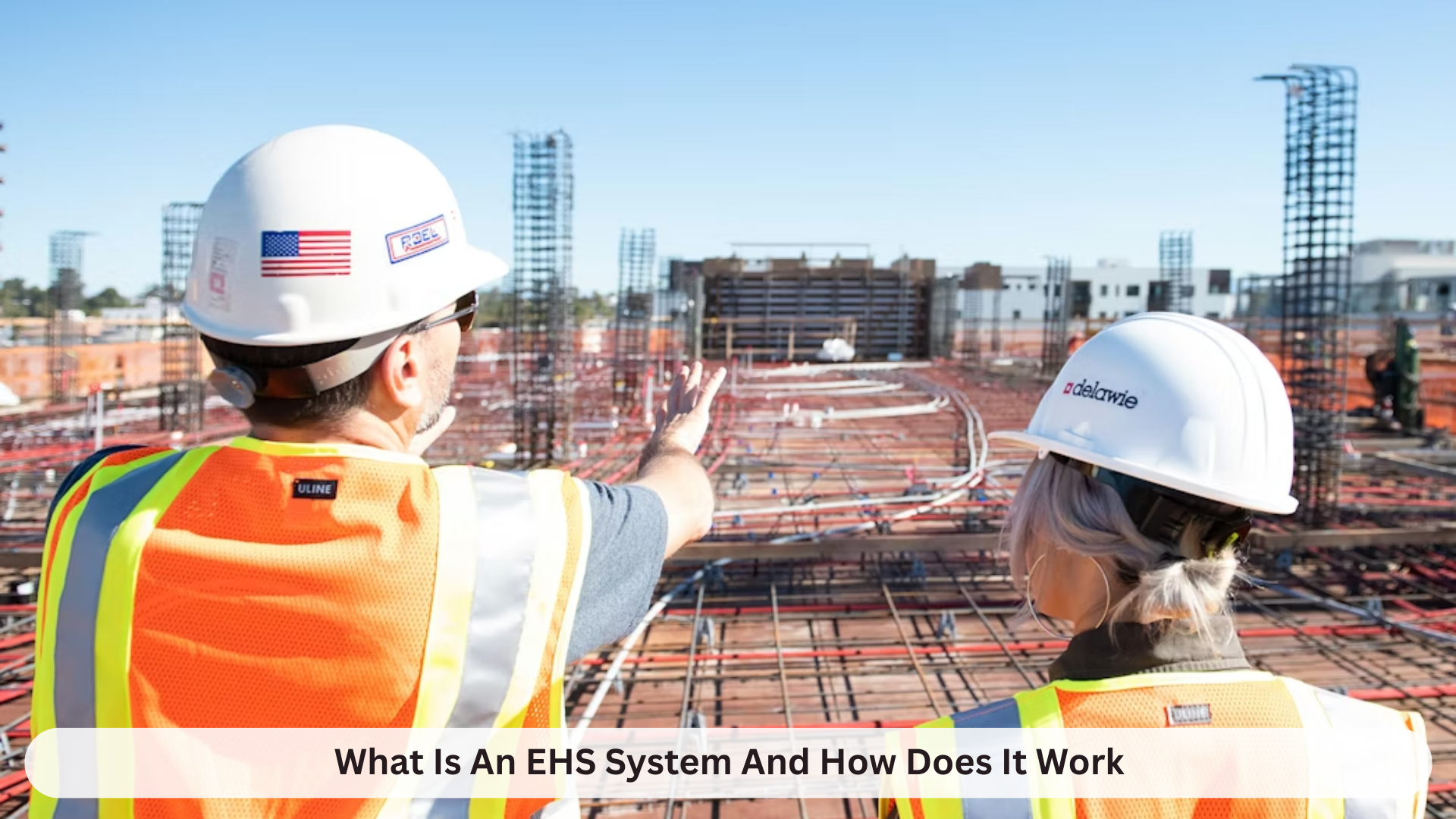
Organizations avoid PR crises like the plague. Companies may lose most of their market value in just days due to a PR disaster. If there was ever one aspect of organizational procedures that exposes businesses to these issues, it is Environment, Health, and Safety (EHS).
Companies cannot afford to be negligent in this area due to the debilitating impact on their ROI and public perception. For that reason, major corporations no longer depend on the reactive, paper-based approach to managing EHS. Today, they apply proactive, data-driven methods and a comprehensive EHS system.
The EHS system is a centralized framework made to identify, resolve, and manage the risks that industries are exposed to in their daily operations. Implementing this system through specialized programs provides a reliable structure that enables companies to maintain full regulatory compliance and a safe, injury-free work environment.
In this article, we examine the various components of the EHS system and how integrating cloud-based reporting and mobile technology is shaping today’s industries.
How The EHS System Works
An EHS system is a comprehensive protocol organizations adopt to monitor the performance of perhaps their most important responsibilities: health, safety, and the environment. This system includes all the tools, processes, and digital systems that position them to achieve this goal.
The environmental arm of this corporate responsibility focuses on emissions, waste management, and carbon footprints, and how a corporation contributes to them. Meanwhile, the health and safety aspects center on the physical well-being of the work environment, including how a company identifies hazards and manages various incidents.
In the modern-day industrial context, the digital workspace where professionals perform these tasks is also the system in itself. This only goes to show how crucial technological integration is to modern industrial processes.
With unified EHS software platforms, companies no longer have to manage data from different departments, such as HR, compliance, and maintenance, in isolation. Instead, these sophisticated technological tools enable organizations to aggregate all company data into a unified source.
How The EHS System Works for Compliance and Safety Assurance

The EHS system follows an actionable procedure. When you manage industrial functions through a mobile or desktop interface, you speed up the cycle and gain access to real-time visibility into site operations.
The EHS system typically takes effect in these four stages:
1. Data Capture and Mobile Inspection
Work begins when the system collects raw data from the field. Using EHS systems replaces clipboards and spreadsheets with simple mobile applications when performing inspections. Some of the industry’s most efficient platforms also allow for offline data entry, which is crucial for effectively performing safety audits in remote locations or zones with poor internet access.
This system adds additional layers of functionality that encourage transparency to ease compliance in daily organizational procedures, including photo documentation and geotagging.
Photo Documentation: Automatically attaches high-resolution images of hazards directly to inspection reports
Geotagging: Records the exact coordinates of an inspection or incident to mark potential danger zones within a large facility
2. Secure, Timely Information Dissemination through Automation
Once data is submitted, the system sorts it into various categories based on the severity or urgency of the information. To illustrate, if the system detects a critical safety violation during an audit, it may automatically trigger a corrective action.
It sends this notification directly to the personnel responsible for this task to make sure they rectify the issue before it results in an injury. Sending a message directly to the specific party is key to prompt resolution, as it eliminates the risk of losing a crucial report in an email network.
3. Analytical Processing and One-click Report Generation

EHS software systems excel in aggregating information on all departments into a centralized dashboard. It analyzes major indicators, such as the number of near-misses or safety training completion rates, to help predict the likelihood of future risks due to the longstanding responses to safety protocols.
Companies can also use this system to generate federal and regulatory reports, such as the OSHA Log of Work-Related Injuries and Illnesses (Form 300). With just a single click, an organization can generate instant reports that keep it in legal standing with local legislation.
4. Continuous Improvement and Justification for Protocol Adjustment
One of the major advantages of using this software is the ability to identify trends that can be nearly impossible to accurately spot otherwise. Company executives or managers can use the information in these trends to adjust their safety protocols.
For instance, if the software constantly flags a certain machine for missing safety guards, it also provides sufficient evidence to back up this claim and justify a request for a replacement.
Optimum Repositioning in Compliance Culture
The liberal adoption of high-quality EHS software systems shows the monumental shift in how corporations approach key operations. This approach is a major step in the right direction towards avoiding negative PR and high outside-of-court settlements. More importantly, it proves to stakeholders, employees, and the government that safety is not an afterthought, but a vital operational value.
An EHS system works by removing the friction from safety reporting. Since employees can now report a hazard via a mobile app, the volume of company data for analysis increases as reporting workspace operations becomes much easier. When companies process these datasets through analytical engines, they receive insights to help prevent an impending accident.
Ultimately, an EHS system is a tool that makes everyone a participant in safety assurance. Rather than handing over this responsibility to a single person, it becomes the privilege of every worker with a mobile device. Adopting a digital EHS system is the only viable path forward for businesses wanting to thrive, remain compliant, and foster accountability in the modern industrial ecosystem.
Related:
