
What To Consider Before Replacing A Roof On A Family House
Written by Lea Collins.
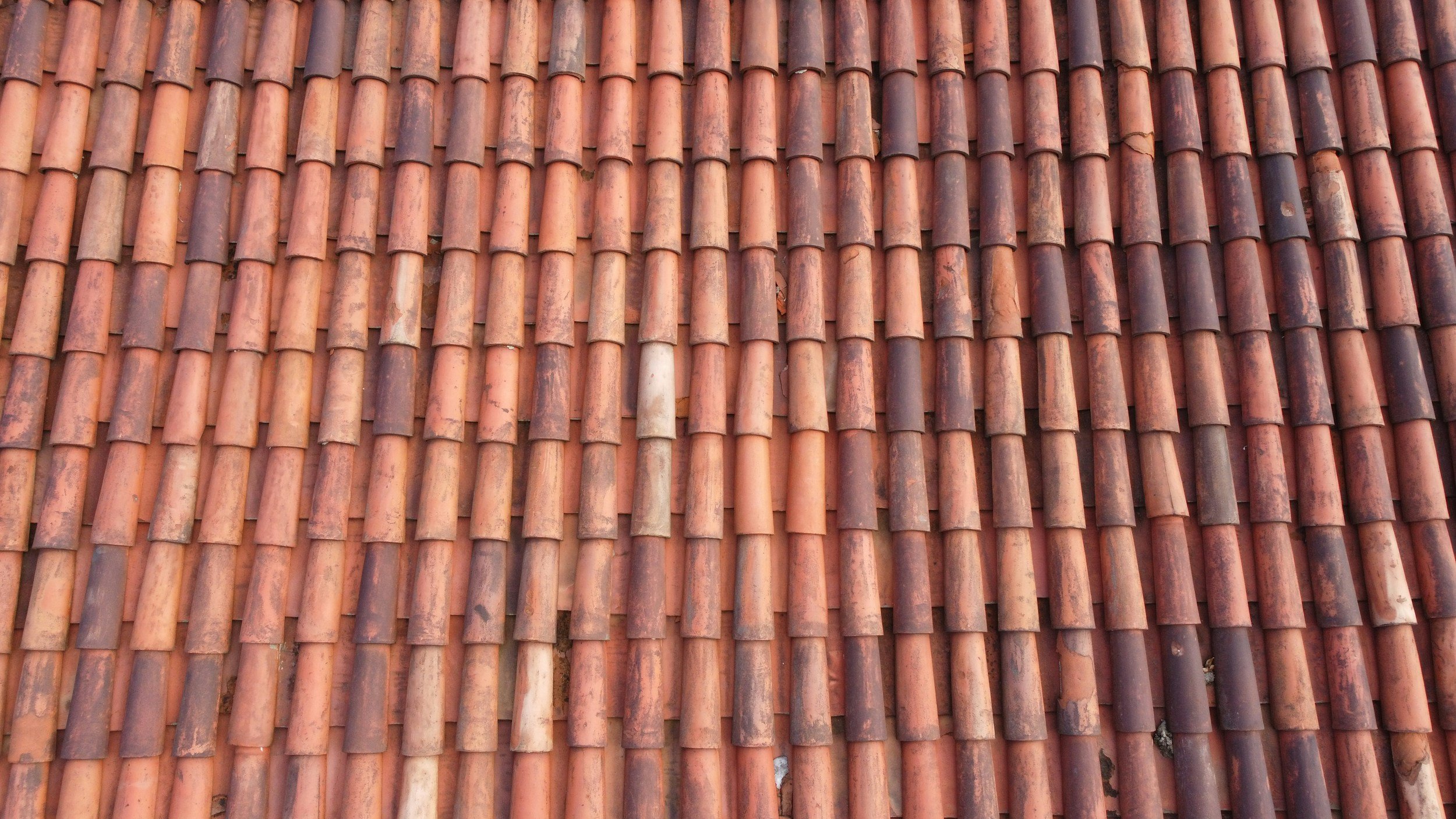
Replacing a roof on a family house is a major project that requires careful planning and a clear budget. Most homeowners only deal with this once or twice in their lives, so the pressure to get it right is high. You need to think about materials, local weather patterns, and how long you plan to stay in the home. Taking the time to understand the process helps you avoid common pitfalls and ensures your new roof lasts for decades.
Current Industry Trends and Costs
The roofing market in the United States is currently very active. A recent report mentions that 85% of the roofing business across the country focuses on replacing roofs on existing homes.
This high demand means you should plan your project well in advance to secure a reliable crew. Finding a contractor who can fit you into their schedule might take longer than expected during the peak summer and fall months.
Prices for materials are also shifting due to global economic factors. One news update suggests that major manufacturers have scheduled price increases between 6% and 10% starting in early 2025. Locking in a contract now might save you a significant amount of money before those hikes take effect. Inflation affects everything from the shingles themselves to the fuel used to transport them to your driveway.
Installation Quality and Safety
The way a roof is put together is just as important as the materials you buy. Even the most expensive shingles will fail if they are not installed correctly by a professional team. One industry expert says installation quality is the most critical factor for how long a roof lasts. A poor job can lead to leaks around vents or chimneys within just a few years.
Modern standards for these projects focus heavily on moisture control. Experts use essential roofing tools to manage complex layers and ensure the structure remains dry. New building standards now emphasize better airflow and waterproofing to protect the wood from mold or rot. This technical approach keeps your attic at a steady temperature throughout the seasons.
Proper ventilation prevents heat buildup in the attic space.
Waterproofing layers stop ice dams from forming in winter.
Correct flashing around chimneys prevents hidden water leaks.
Choosing the Right Materials
Selecting the best material for your home involves balancing cost and durability. Many homeowners are looking for ways to make their properties more efficient or eco-friendly. Data shows that 40% of homeowners are willing to pay a premium to install green roofing options. These choices can include solar shingles or materials that reflect sunlight to keep the house cooler.
If you want something that lasts much longer than standard shingles, metal might be the answer. Metal roofs have a lifespan of 40 to 80 years and provide high resistance against strong winds. They are often a top choice for families living in areas prone to severe storms. While the upfront cost is higher, the long-term value often makes up for the initial investment.
Shingle Options and Durability
Standard asphalt shingles remain the most popular choice for most neighborhoods. They are affordable and come in a wide variety of colors to match your siding. You can choose between basic three-tab shingles or thicker architectural versions that offer a more textured look. Higher-end shingles often come with better warranties that protect against algae growth and wind damage.
Signs Your Shingles Are Failing
You should inspect your current roof for physical damage before making a final decision. Widespread missing, cracked, or curling shingles are signals that a full replacement is necessary. Ignoring these signs can lead to leaks that damage the interior of your house. Once water gets past the outer layer, it can rot the wooden decking underneath.
Small granules in your gutters are another sign that your roof is reaching the end of its life. These tiny stones protect the shingles from sun damage, and losing them makes the roof brittle. If you see bald spots on your shingles, the sun will quickly bake the underlying material. Catching these issues early prevents the need for emergency repairs during a rainstorm.
Financial and Insurance Factors
Your insurance company likely has specific rules about the age of your roof. Many insurers are becoming stricter and will only cover the depreciated value of a roof once it passes 20 years of age. Replacing an old roof before a storm hits can prevent a difficult claims process later. You should check your policy to see if you have "replacement cost" or "actual cash value" coverage.
The cost of a replacement is often a surprise for first-time buyers. It is smart to get at least three different quotes to compare labor costs and material options. Some companies offer financing plans that allow you to pay for the project over several years. This can make a high-quality roof more accessible for families on a strict monthly budget.
A new roof provides more than just protection from the rain. It improves the curb appeal of your house and can increase its overall market value if you decide to sell. By staying informed about material costs and insurance requirements, you can make a choice that fits your family's needs. A sturdy roof gives you peace of mind during every storm and keeps your home comfortable for years to come.
Related:
