
When Repeating Yourself Doesn’t Work, Try Responding Differently
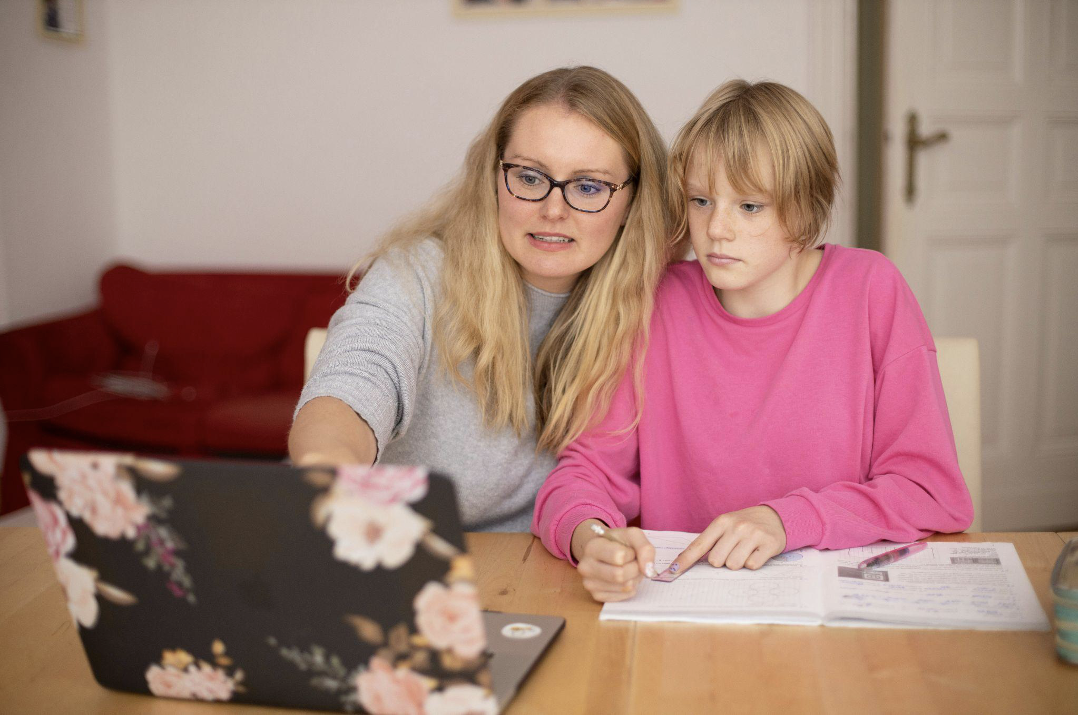
Every parent knows the moment: you ask once, then again, then a little louder, and eventually you are wondering why a completely ordinary request has turned into a family standoff. The problem is often not that children did not hear you. They may be distracted, testing whether you really mean it, or simply used to the idea that the first few requests do not count.
When that pattern repeats often enough, everyone becomes frustrated. Parents feel ignored, while children learn that action is only required once the request reaches a certain volume. The solution is usually not asking more times. It is changing what happens after the first clear request.
Make the First Request the One That Matters
Calling instructions from another room is convenient, but it also makes them easy to ignore. If your child is absorbed in a game, television show, toy, or conversation, walk over and get their attention before giving the instruction. Use their name, wait for eye contact, and keep the request short enough that there is no confusion about what needs to happen next.
Then avoid immediately repeating yourself. If you normally ask five times before anything happens, the first request does not really function as an instruction. It becomes an early warning that several more reminders are coming. Ask once, clearly and calmly, and then follow through with whatever reasonable next step you have already established.
Parents benefit from small calming rituals too. Even an ordinary evening habit such as washing up with the best luxury soap can become one of those little signals that the busy part of the day is winding down, making it easier to approach the next difficult moment with a little more patience.
Tell Them What to Do, Not Just What to Stop
Parents often give instructions that describe the problem without making the next step obvious. “Stop messing around,” “Don’t make a mess,” or “Quit bothering your sister” all make sense to adults, but children may respond better to something concrete.
Try giving the replacement behaviour instead: “Put the blocks back in the box,” “Sit on this side of the sofa,” or “Use a quieter voice while your brother is doing homework.” Specific instructions reduce the opportunity for arguments about what you meant and make success much easier to recognise.
The same principle applies to routines. “Get ready” can mean ten different things, while “Put your shoes on and bring your bag to the door” gives a child a much clearer starting point.
Give Choices When the Outcome Allows It

Not every situation needs to become a contest over control. If the destination matters but the exact route does not, offer a choice. “You can put your shoes on first or your coat first.” “Homework can happen at the kitchen table or your desk.” “You can tidy the cars or the books first.”
Both options still move toward the result you need, but the child gets some control over how it happens. This can be especially useful with children who automatically resist direct commands because the choice gives them something meaningful to decide without turning the important part of the request into a negotiation.
Keep the options limited and genuine. Offering too many possibilities can create another delay, while pretending something is optional when it is not usually leads to more frustration. Two acceptable choices are normally enough.
Stop Turning Every Delay Into a Bigger Argument
When a child does not respond immediately, it is easy to start adding commentary: “You never listen,” “I have asked you a hundred times,” or “Why does everything have to be so difficult?” The original request then gets buried underneath an argument about attitude, history, and whether the parent is being fair.
Try keeping your response connected to the immediate situation. If the request was to put shoes on, keep the conversation about shoes. If the task was clearing the table, deal with the table. Larger behaviour patterns can be discussed later when nobody is already annoyed or rushing out the door.
A calm, boring response can often be more effective than an emotional one because there is less material for the argument to grow around. The goal is not to win a debate. It is to help the original task actually happen.
Notice Cooperation and Choose Your Battles
Parents naturally notice resistance because resistance creates problems. Cooperation is quieter and therefore easier to overlook. When your child responds promptly, acknowledge it. You do not need to celebrate every ordinary task, but a simple “Thanks for doing that straight away” makes successful behaviour visible.
It also helps to think about how many instructions you give during the day. Sit properly. Stop touching that. Move your cup. Hurry up. Slow down. Put that there. Take that upstairs. By evening, children may have heard a near-continuous stream of directions.
Before giving an instruction, ask yourself whether you actually care enough about the outcome to follow through. Safety, respect, school responsibilities, bedtime, and essential household routines deserve consistency. Every small irritation does not necessarily need correction. Saving firm requests for things that genuinely matter can make those requests carry more weight.
Consistency Works Better Than Repetition
Changing this pattern will not mean your child suddenly responds perfectly every time. Children will still get distracted, test limits, and have days when everything seems harder than usual. Parents will still lose patience occasionally too.
What changes is the pattern underneath those moments. Clear instructions, sensible choices, calm follow-through, and fewer unnecessary battles teach children that the first request matters. Over time, that can reduce the need for louder voices, repeated reminders, and arguments that are much bigger than the task that started them.
When asking five times stops being the default strategy, everyday requests have a much better chance of staying small.
