
Where to Play Polo in Argentina (And Why It Belongs on Your Family Bucket List)
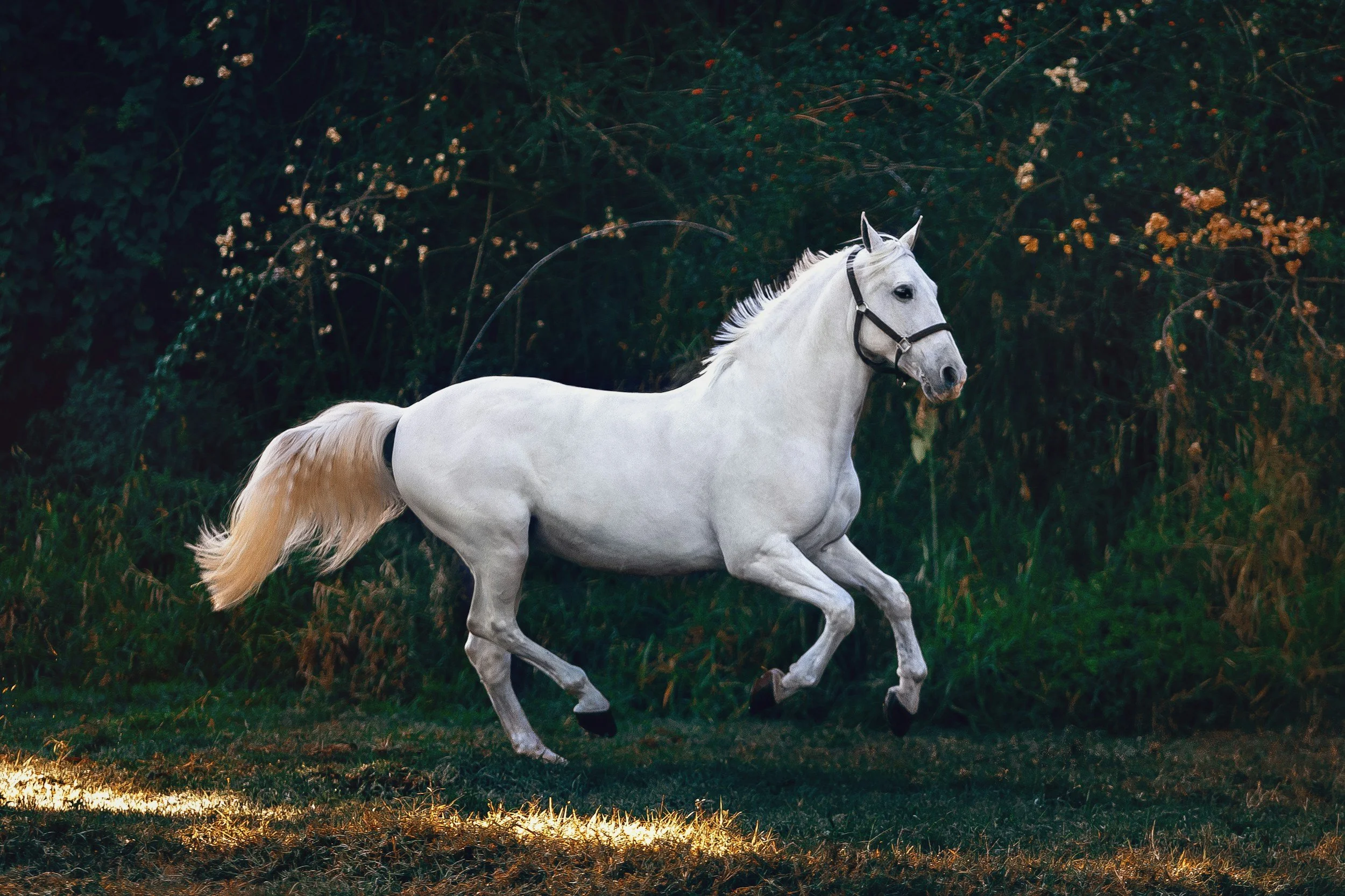
I'll admit it: polo was never on my radar as a "dad activity." I filed it away next to yacht racing and falconry — cool to watch, not something a regular guy signs his family up for on vacation.
Then I started digging into Argentina, and that assumption fell apart fast.
Argentina isn't just a country where polo happens to be popular. It's the birthplace of the modern game's best players, the world's top-ranked handicaps, and the horses everyone else is trying to breed like. And unlike a lot of "bucket list" sports, you don't need money, a horse background, or even prior riding experience to get on a field and actually play. If you can find your way onto a bike as a kid, you can learn the basics of polo as an adult. Bring the kids too — several schools teach both.
If a hands-on, slightly-out-of-your-comfort-zone family adventure sounds appealing, here's where to actually go, and one spot on the Atlantic coast worth knowing about.
Why Argentina, Specifically
Polo shows up in a lot of countries, but Argentina is where it's taken most seriously. The climate suits year-round training, the pampas produce some of the best polo ponies on earth, and the country has produced generations of the sport's top players, including Adolfo Cambiaso, widely considered the best to ever play. When people talk about "the polo capital of the world," they mean Argentina — full stop.
That depth of culture is exactly why it's such a good place to learn as a beginner. You're not getting a watered-down version of the sport; you're getting instruction from a country that treats it the way Kentucky treats basketball.
The Main Regions to Know
Argentina has a handful of well-established polo hubs, and each has a slightly different personality:
Mar del Plata — Argentina's most popular beach city, a few hours south of Buenos Aires, where polo fields sit inland from the coast. This combination — morning lessons, afternoon beach — is what makes it stand out for families.
Buenos Aires / Pilar — the country's polo epicenter, home to high-goal tournaments and some of the most exclusive clubs in the world. Great if you want to watch elite-level polo, though beginner access can be more limited and pricier.
Tandil — quieter, countryside-style polo estancias further inland, popular for multi-day riding-and-polo stays.
The Pick: Argentina Polo School, Mar del Plata
Tucked into Parque Camet, a green belt just north of the city, Argentina Polo School has built its whole approach around beginners — including complete beginners who've never sat on a horse. Lessons are taught in English, Spanish, and Russian, and the program covers everything from basic horsemanship and mallet handling to the rules of the game, working you up toward real chukkers (the periods that make up a polo match) if you stick with it.
A few things make it a genuinely good option for a family trip rather than just a novelty photo-op:
It's built for zero experience. The horses are described as calm and well-trained specifically to help nervous first-timers feel confident from day one.
It works for adults and kids. You don't have to choose between "the parents' activity" and "the kids' activity" — everyone can be on the field.
It's not a one-and-done tourist stop. The school runs everything from single lessons to multi-day polo holidays (roughly 3 to 10 days), so you can go as deep as your schedule and interest allow.
It's paired with a real club. The school partners with the historic Mar del Plata Polo Club, so the setting isn't a roadside arena — it's an actual polo ground with real infrastructure.
The location does double duty. Parque Camet sits minutes from the beach, so a morning of riding and stick-and-ball drills can be followed by an afternoon in the water. That's a hard combination to find anywhere else in the country.
If you're already looking at Mar del Plata for a beach trip, adding a polo morning is a low-friction way to turn a normal vacation day into something nobody in your family will forget.
What an Actual Lesson Looks Like
For beginners, expect the first session or two to be almost entirely about the horse — mounting, steering, balance, basic control — before a mallet even enters the picture. Once you're comfortable in the saddle, instructors introduce stick-and-ball work (hitting a ball while riding, without the chaos of a real match), then slowly build toward supervised practice chukkers. It's paced, not thrown-in-the-deep-end, which matters if you're bringing a nervous teenager or a partner who's never been near a horse.
If you already ride or have played before, the same school offers technical clinics and tactical coaching aimed at moving your handicap up, so it's not purely a beginner operation.
A Few Practical Notes
No riding experience required for beginner programs — that's the whole point of the school's model.
Multilingual instruction removes a common barrier for international visitors.
Book ahead during Argentina's high polo season, and confirm current pricing and availability directly with the school before you build a trip around it.
Pair it with the beach. The proximity to the coast is genuinely one of the bigger practical advantages over inland options like Pilar or Tandil.
The Takeaway
Polo has a reputation problem — it sounds exclusive, expensive, and inaccessible. In Argentina, and specifically in Mar del Plata, that reputation doesn't hold up. You've got a legitimate polo tradition, an operation built specifically to bring total beginners onto the field safely, and a beach fifteen minutes away for when everyone's legs are done for the day.
If you're planning a trip to Argentina and want one activity that gets the whole family off their phones and onto something genuinely new, this is it.
