
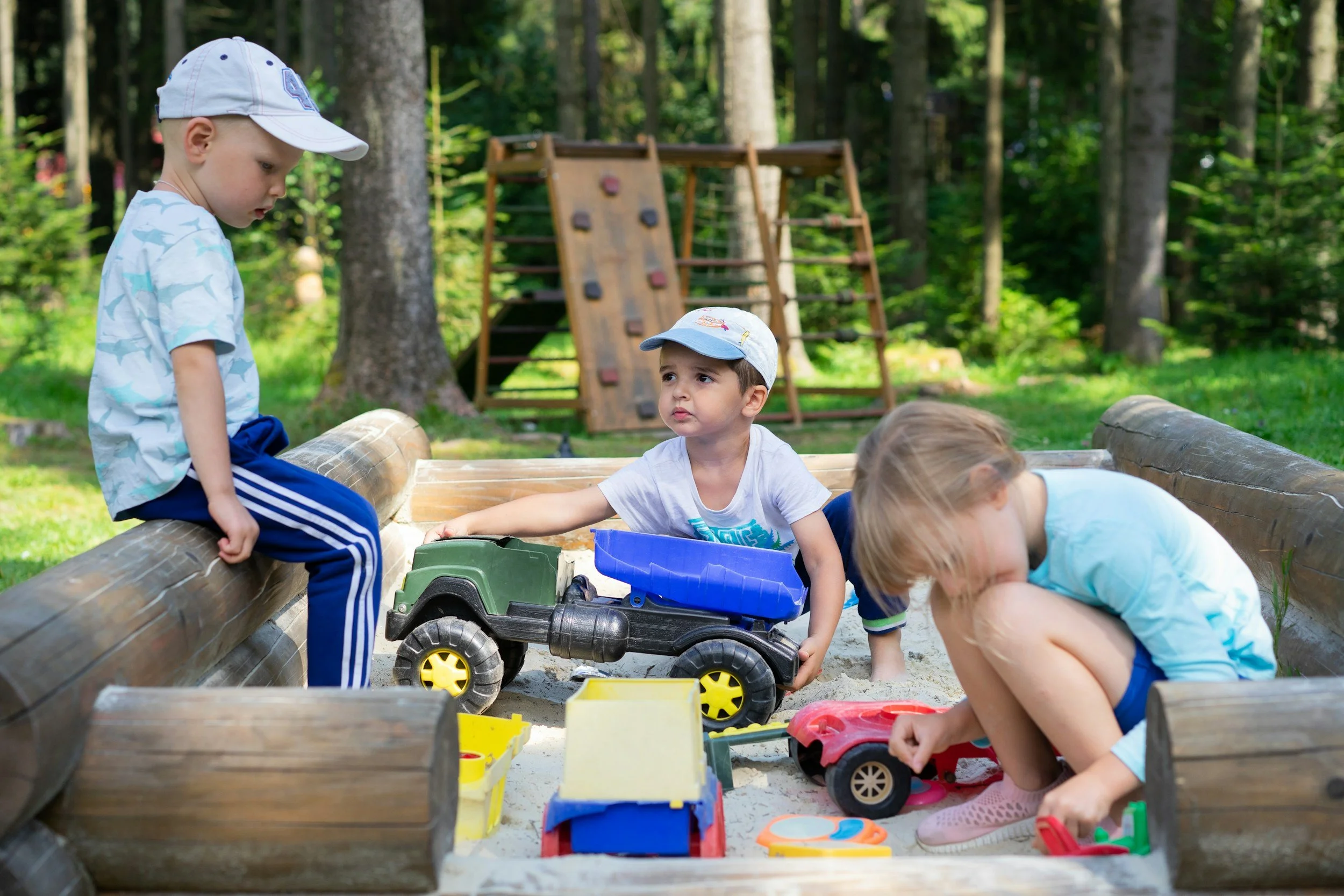
Playgrounds provide children with opportunities to exercise, develop social skills, and explore their surroundings. However, these recreational spaces can also present safety risks, particularly when equipment is poorly maintained, supervision is inadequate, or hazardous conditions go unaddressed. When a child suffers a serious playground injury, parents may wonder who is legally responsible.
Determining liability depends on several factors, including where the accident occurred, who controlled the property, and whether negligence contributed to the injury. While not every playground accident results in a valid legal claim, understanding the responsibilities of property owners, schools, and equipment manufacturers can help families protect their children's rights.
Who Can Be Held Responsible for a Playground Injury?
Several parties may share responsibility for maintaining a reasonably safe playground. Identifying the appropriate party is an important step when investigating an injury.
Property Owners and Playground Operators
Property owners generally have a duty to exercise reasonable care in maintaining their premises. This may include inspecting playground equipment, repairing dangerous conditions, and addressing hazards that could foreseeably injure children.
For example, an apartment complex that ignores repeated complaints about a broken swing may face liability questions if the equipment subsequently causes an injury.
However, responsibility depends on who controlled the playground, whether the hazard was known or reasonably discoverable, and the applicable premises liability laws.
Schools and Childcare Facilities
Schools and daycare centers may have additional responsibilities involving student supervision and playground safety.
If staff members fail to provide reasonable supervision during activities involving foreseeable dangers, the institution may face allegations of negligence.
Parents concerned about a preventable accident can consult a Chicago child injury lawyer to understand whether the circumstances support a legal claim.
Ankin Law represents families in child injury matters involving alleged negligence. Legal guidance can help parents evaluate liability and identify evidence needed to establish responsibility.
How Unsafe Playground Equipment Causes Injuries
Playground equipment should be designed, installed, and maintained with children's safety in mind. Unfortunately, deterioration, improper installation, and defective components can create hazards.
Common equipment-related concerns include loose bolts, broken handrails, damaged swings, exposed metal edges, and unstable climbing structures.
Maintenance Failures and Equipment Defects
A maintenance failure occurs when equipment becomes hazardous because necessary inspections or repairs were neglected.
A product defect, by contrast, may involve an unsafe design or manufacturing problem that existed before installation.
These distinctions matter because different parties may be legally responsible. Property owners or maintenance contractors may face negligence claims, while manufacturers could face product liability claims.
Parents researching Unsafe Playground Equipment can learn more about how hazardous conditions may contribute to injuries and why identifying the source of a defect matters.
Can a City Be Liable for Injuries at Public Playgrounds?
Many playgrounds are operated by municipalities, park districts, or other government entities. These organizations generally have responsibilities concerning public property maintenance, but legal claims against them may involve additional restrictions.
In Illinois, the Local Governmental and Governmental Employees Tort Immunity Act provides certain protections to public entities and employees.
Governmental Immunity and Legal Requirements
Depending on the circumstances, public entities may be protected from liability for certain recreational injuries unless specific statutory standards are satisfied.
For example, Illinois law provides protections concerning the condition of public property intended for recreational purposes, subject to exceptions involving willful and wanton conduct.
The availability of these protections depends on the facts, the responsible entity, and the legal claim involved.
Parents should also understand that claims involving government entities may be subject to special procedures or deadlines. Prompt legal evaluation can help identify the requirements that apply.
What Role Does Playground Supervision Play?
Children naturally engage in climbing, running, jumping, and other activities that involve some risk. Reasonable supervision helps reduce preventable injuries without eliminating ordinary childhood play.
The level of supervision expected may depend on children's ages, developmental abilities, and the nature of the playground activities.
When Inadequate Supervision Becomes Negligence
A supervision-related claim may arise when responsible adults fail to respond appropriately to foreseeable dangers.
For example, allowing very young children to use equipment designed for substantially older children without appropriate oversight could raise safety concerns.
However, an injury does not automatically prove inadequate supervision. Establishing negligence generally requires showing that the responsible party failed to exercise reasonable care and that this failure contributed to the accident.
The circumstances surrounding the incident are essential when evaluating responsibility.
What Should Parents Do After a Playground Accident?
A parent's first priority should always be the child's health and safety.
Serious injuries, suspected fractures, head trauma, or significant bleeding may require immediate medical attention. Parents should follow healthcare recommendations and monitor symptoms that develop after the accident.
Once immediate medical needs are addressed, documenting the circumstances can help preserve important information.
Preserve Evidence of the Accident
Parents should photograph the accident location, visible injuries, and any equipment that may have contributed to the incident, provided doing so is safe.
They should also record witness contact information and request copies of incident reports when available.
If the playground is operated by a school, park district, or private organization, parents can ask that relevant surveillance footage and maintenance records be preserved.
Medical documentation, treatment expenses, and records of missed school activities may also become important when evaluating the injury's consequences.
What Compensation May Be Available?
When a playground injury results from legally actionable negligence or a defective product, compensation may be available for certain losses.
Damages can include medical expenses, rehabilitation costs, future treatment needs, and pain and suffering, depending on applicable law.
In cases involving permanent injuries, evaluating long-term medical care and functional limitations may be particularly important.
However, compensation is not guaranteed simply because a child was injured. Liability, causation, supporting evidence, and statutory restrictions can all influence whether a claim succeeds.
Because minors have special legal protections, certain settlements may require court approval. Parents should understand these requirements before accepting an agreement on their child's behalf.
How Can Parents Help Prevent Playground Injuries?
Although accidents cannot always be prevented, parents can take practical steps to identify dangerous playground conditions.
Before allowing children to play, adults can inspect equipment for visible damage, unstable components, and exposed sharp edges.
Playground surfaces should also receive attention. Appropriate impact-absorbing materials can help reduce injury risks associated with falls.
Parents should encourage children to use age-appropriate equipment and explain basic playground safety rules.
Reporting damaged equipment to property owners or park authorities can also help prevent future accidents. When hazards remain unresolved, choosing another play area may be the safest option.
When Should Parents Contact a Child Injury Attorney?
Legal assistance may be appropriate when a playground accident causes significant injuries, requires ongoing medical treatment, or involves evidence of unsafe conditions.
An attorney can investigate property ownership, review maintenance records, assess applicable liability standards, and determine whether a claim exists.
Legal guidance may be especially important when multiple parties are involved or when the playground is operated by a government entity.
Parents should avoid assuming that ordinary filing deadlines apply to every case. Special rules may affect claims involving minors, public property, or particular defendants.
Protecting Children After Playground Accidents
Playground accidents can create physical, emotional, and financial challenges for families. Understanding who may be responsible is an important part of determining whether the injury resulted from an unavoidable accident or preventable negligence.
Property owners, schools, government entities, contractors, and manufacturers may have different legal responsibilities depending on their involvement.
Parents can protect their children's interests by obtaining appropriate medical care, preserving evidence, and seeking legal guidance when serious injuries occur.
Ultimately, promoting playground safety requires proper maintenance, reasonable supervision, and prompt attention to hazardous conditions. These efforts help create recreational environments where children can play, learn, and develop with fewer preventable risks.
