
Why Flexible Venue Design Matters for Multi-Purpose Events
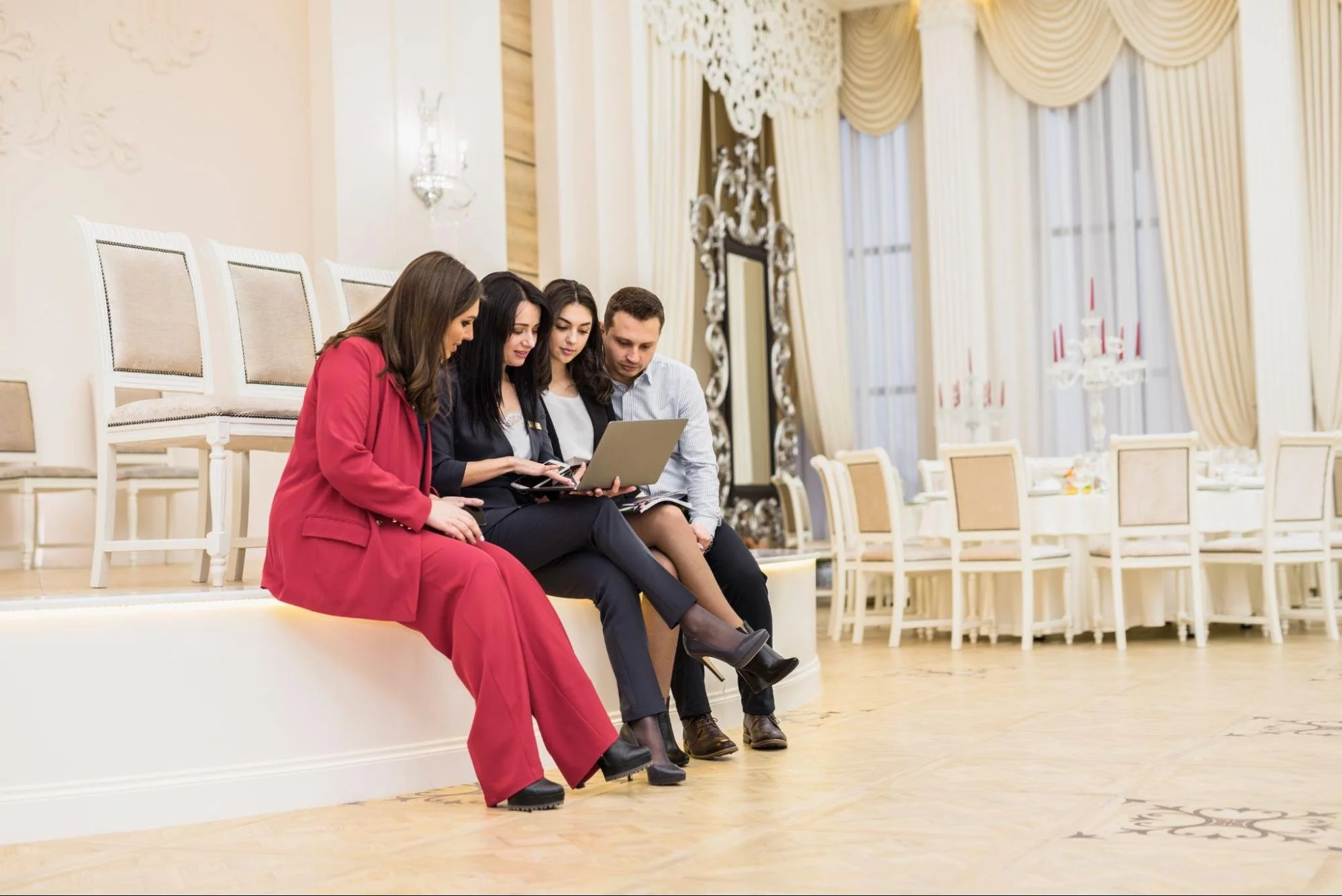
Today's event industry looks nothing like it did a decade ago. Clients want a wedding venue that feels like something out of a storybook at noon, and a sleek corporate gala space by seven. That's not just a preference anymore. It's what the market demands. According to Gensler's Global Workplace Survey (May 2025), 68% of global office workers say thoughtfully designed environments positively impact their sense of connection and purpose (gensler.com).
And honestly? That same emotional truth applies to every event space you'll ever walk into. Flexible venue design isn't chasing a trend; it's the new baseline for anyone serious about delivering experiences people actually remember.
Why Adaptability Has Become the Real Currency in Event Planning
Modern events rarely fit one mold. Ever. A corporate retreat might need breakout rooms during the morning sessions, and a wide-open banquet floor before dinner even hits the table. Pulling that off requires planning from the very beginning, not a last-minute scramble.
Spaces built around flexible venue design attract more bookings, hold onto more clients, and generate the kind of word-of-mouth you simply can't buy. For organizers, being able to shift a room's function without calling in an entirely new crew? That's a genuine game-changer. Multi-purpose event venues aren't a luxury upgrade anymore; they're what clients actively type into search bars when planning anything that actually matters to them.
So now that we've established why adaptability has become the new currency, let's get into exactly how leading venues are building that flexibility in, and why it should matter to you.
The Design Features That Make Adaptable Event Spaces Actually Work
Understanding *why* flexibility matters is only half the equation. The real magic lives in *how* forward-thinking venues engineer adaptability through specific, purposeful design choices.
Tulsa, Oklahoma's event scene offers some compelling examples of this shift in action. Vinterra Wedding & Event Venue stands out for its contemporary approach, highly responsive ownership, and genuine attentiveness to client needs, qualities that clients are consistently citing as the gold standard of modern, client-first venue design.
Modular Furniture and Moveable Walls
Modular furniture and moveable walls are the backbone of any truly adaptable event space strategy. They let a venue host a seated wedding ceremony and then pivot to a cocktail-style reception within the same footprint, without long turnaround times or an army of setup staff.
That physical reconfigurability isn't just convenient. It saves money. Venues that invest in modular systems see reduced labor costs and tighter transition windows between back-to-back events.
Technology That Transforms the Atmosphere on Demand
Physical reconfigurability sets the stage. But technology layered on top is what elevates a flexible venue from functional to genuinely unforgettable.
Smart lighting that shifts color temperature with a single tap can turn a bright conference room into a warm, intimate reception hall in minutes. Integrated sound systems, programmable digital displays, and app-controlled ambiance settings give planners and guests alike an experience that feels carefully curated, not cobbled together the morning of.
Multi-Zone Layouts That Actually Guide the Guest Experience
Once smart technology is handling the atmosphere, strategic spatial zoning becomes your next most powerful tool. Dedicated zones for dining, dancing, casual mingling, and product showcasing allow guests to move through a space naturally, without bottlenecks, without confusion.
This kind of venue layout flexibility boosts energy, sparks organic conversation, and keeps the event feeling alive from the first hour to the last.
Eco-Friendly Materials That Are Also a Selling Point
Beyond flow and function, the most forward-thinking venues are asking a harder question: can adaptable design also be responsible design?
Sustainable materials, reclaimed wood, low-VOC paints, and energy-efficient lighting do more than reduce environmental impact. They're actively marketable. A growing segment of clients, especially younger generations, put eco-conscious vendors at the top of their shortlist when booking a space.
Venue Layout Flexibility as a Real Competitive Advantage
These design features don't just create better guest experiences; they create a measurable business edge. Smart venue owners are already capitalizing on flexibility as a differentiator in a crowded market. Here's how.
Personalized Branding and Customization That Clients Love
A venue that can be quickly reskinned to match a brand's color palette, or a couple's wedding aesthetic, is worth dramatically more to a client than one that locks you into a fixed look. The ability to transform a space quickly and convincingly gives venues a storytelling advantage that rigid, one-note spaces simply can't compete with.
Fitting More Guests Without Making Anyone Feel Cramped
Smart furniture arrangements, flexible seating configurations, and clear traffic flow strategies let a venue comfortably host an intimate gathering of 30 or a full-capacity event of 300, without making either group feel like they're in the wrong room.
The Financial Case for Flexibility
Fitting more people comfortably is a win. But pair that with smart operational design and flexible venue design also delivers a compelling financial result for both venue owners and clients.
Shorter setup times mean fewer staff hours billed. Reusable modular components mean fewer rental line items every season. Those savings accumulate fast across a full calendar of bookings.
Where Event Venue Design is Headed Next
Having covered the strategic advantages flexibility offers right now, it's worth looking ahead at the event venue design trends that will define what attendees expect in the next few years.
Hybrid and Virtual-Ready Infrastructure
Hybrid events aren't going anywhere. Venues that can broadcast live proceedings to remote attendees, while simultaneously creating an immersive in-person experience, are unlocking revenue streams that didn't exist five years ago. Reliable AV infrastructure and stable connectivity aren't optional anymore. They're table stakes.
Immersive, Interactive Environments
While hybrid capabilities keep remote guests connected, the next wave of venue innovation is laser-focused on making the in-person experience so captivating it stands entirely on its own. Think 360-degree projection mapping, augmented reality stations, and interactive art installations. These features aren't just visually arresting; they drive social sharing and organic word-of-mouth without you lifting a finger.
Outdoor-Indoor Integration
As technology reshapes interiors, nature is reshaping exteriors. Venues that blur the line between indoor elegance and outdoor beauty, through retractable walls, covered patios, or garden-facing glass panels, extend their usability across every season and attract a much wider range of event styles and clients.
How to Choose the Right Flexible Venue for Your Next Event
Knowing what's possible is powerful. But translating that knowledge into a confident booking decision means knowing what to look for, and what to ask before you sign anything.
What to Actually Evaluate During a Site Visit
A genuinely adaptable venue should show you strong spatial reconfigurability, reliable integrated technology, experienced staff who've handled fast turnarounds, and real documentation of past multi-purpose event setups. Don't take anyone's word for it. Ask to see actual photos of real event transformations, not just the staged promotional shots.
Questions Worth Asking Before You Book
How quickly can the space be reconfigured between events? What technology is built into the infrastructure versus rented separately for each event? What's the maximum capacity in different layout configurations? These aren't aggressive questions; they're the right ones.
Best Practices for Getting the Most Out of Adaptable Event Spaces
A strong example of these principles working together in practice can be found through the approach of Vinterra Wedding & Event Venue, whose operational flexibility and clear creative vision demonstrate what's genuinely possible when the right systems meet the right mindset, and the results offer a useful roadmap for your own events.
Bring Your Planner in Before You Book the Venue
Seriously. Bringing in an experienced event planner before the venue is even locked in ensures layout decisions are made with actual event flow in mind, not as a reactive afterthought when the floor plan doesn't quite work.
Running Multiple Events in a Single Day
Clear communication between all teams, a detailed timeline, and pre-staged modular components are the three non-negotiables for pulling off back-to-back events in the same space without chaos.
Use Post-Event Data to Make Smarter Decisions
After every event, gather attendee feedback and study the traffic flow patterns. That data quietly shapes smarter layout decisions for every booking that follows.
Common Questions About Flexible Venue Design
What are the 5 P's of event planning?
The 5 P's are Purpose, People, Place, Process, and Performance. Together, they form a practical framework that keeps event planning organized, client-focused, and outcome-driven from initial concept through final execution.
What makes a good event venue?
A good venue offers spatial flexibility, reliable technology, skilled staff, strong accessibility, and the ability to scale for different crowd sizes, all while maintaining an atmosphere that suits the event's specific tone and goals.
What types of events benefit most from adaptable event spaces?
Corporate gatherings, weddings, product launches, and fundraisers all benefit significantly. Any event requiring distinct phases, like a ceremony followed by a reception, thrives in a space built around adaptable event spaces.
The Bottom Line on Flexible Venue Design
Venue design has moved well past aesthetics. The best spaces today are built to shift, adapt, and surprise, serving entirely different purposes without ever losing their core identity. Whether you're planning a wedding, a conference, or a hybrid gathering that spans time zones, prioritizing multi-purpose event venues gives every guest a better experience and every organizer a smarter investment.
In a market where expectations keep climbing, the venues that stay truly flexible are the ones that stay fully booked.
