
Why Some Commercial Caulking Jobs Fail and What Causes It
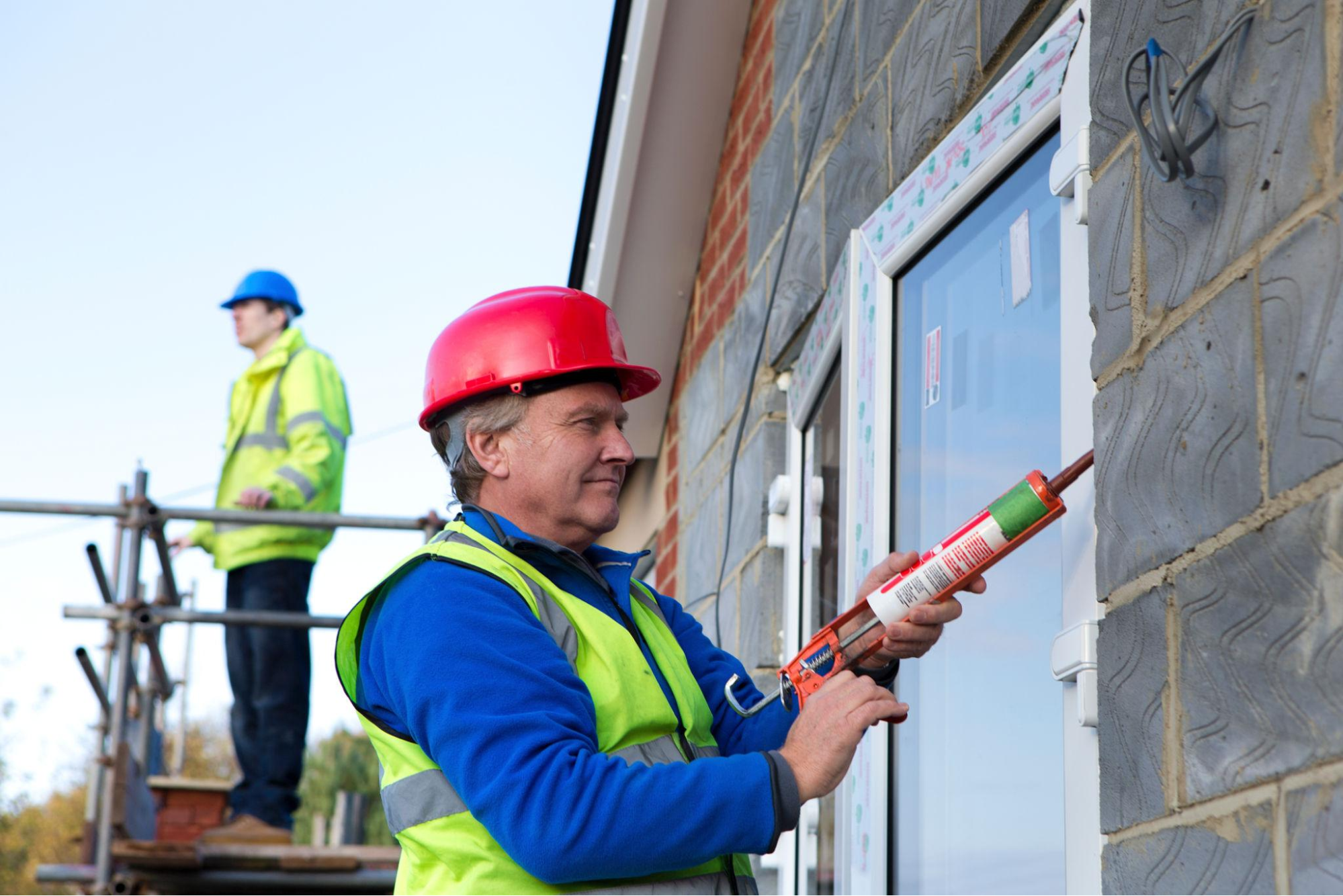
Commercial caulking jobs fail when the sealant can no longer do what it was placed there to do: block air, water, dust, and movement between building materials.
In many buildings, caulking may seem like a small detail, but it plays a major role in keeping joints sealed around windows, doors, walls, panels, and expansion joints. When it fails too early, the problem is usually not random. It often comes from poor preparation, the wrong material, rushed work, or building movement that was not properly planned for.
Poor Surface Preparation
One of the most common reasons caulking fails is a dirty or poorly prepared surface. Sealant needs a clean, dry, and stable surface to bond correctly.
If dust, old caulk, oil, moisture, or loose paint is left behind, the sealant may stick at first but pull away later. This can lead to gaps, cracking, or peeling. In commercial buildings, where joints are often exposed to sun, rain, wind, and temperature fluctuations, weak bonding becomes a greater problem over time.
Using The Wrong Sealant
Not every sealant is made for every surface or condition. Some products work well on glass and aluminum. Others are better for concrete, masonry, or metal panels.
A commercial caulking job can fail when the wrong product is used for the building material, joint size, or weather exposure. For example, a sealant that cannot handle movement may crack when the building expands and contracts. A product that is not UV-resistant may break down faster in direct sunlight.
Incorrect Joint Design
Caulking is not just about filling a gap. The joint has to be the right shape and depth for the sealant to stretch and move properly.
If the caulk is applied too thin, it may tear. If applied too deeply, it may not flex properly. Many successful projects use backing material, such as backer rod, to control the depth and help the sealant perform as intended.
Common joint design problems include:
Gaps that are too wide or too narrow
Sealant applied without proper backing
Three-sided adhesion that limits movement
Uneven joint depth across the surface
Rushed Or Uneven Application
Even the right sealant can fail if it is applied poorly. Skipping tooling, applying uneven beads, or working too quickly can leave air pockets and weak spots.
Professional caulking contractors usually focus on consistent application, clean edges, and proper finishing. Tooling the sealant helps press it into the joint and improves contact with the surface. Without this step, the seal may look finished but fail sooner than expected.
Weather And Moisture Problems
Weather can affect how well caulking bonds and cures. Applying sealant during rain, heavy humidity, freezing temperatures, or extreme heat can reduce performance.
Moisture trapped in the joint is especially harmful. It can prevent adhesion and cause bubbling or separation later. This is why timing matters on exterior projects.
Ignoring Building Movement
Commercial buildings move more than many people realize. Materials expand, contract, settle, and shift with weather and age.
Good commercial caulking work accounts for this movement. When sealant is too rigid, too thin, or poorly bonded, it cannot stretch with the building. Over time, that stress causes cracks, gaps, and leaks.
Related:
