
Why Sterile Preparation Matters in Home Health and Wellness
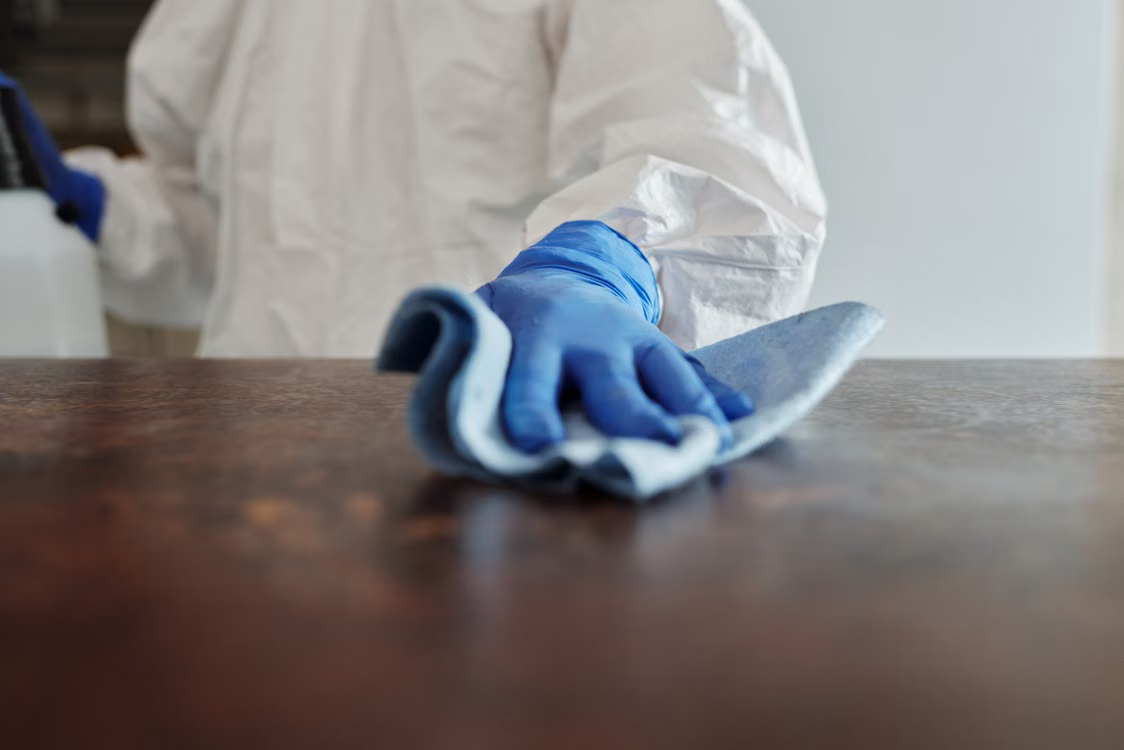
Sterile preparation at home means protecting products that were manufactured to be sterile rather than trying to create clinical conditions in a household. Clean surroundings, suitable supplies, and careful handling help preserve those products for their intended purpose.
Small mistakes can compromise quality without causing any visible change. Understanding why sterile preparation matters can help people make safer, better-informed decisions during at-home health and wellness routines.
Reducing Contamination Risk
Hands, phones, countertops, reusable tools, pets, dust, and nearby sinks can introduce microorganisms or particles. A surface may appear clean without being suitable for preparing contamination-sensitive products.
Sterile products, equipment and preparation areas must be separated from possible contamination sources. Supplies should stay away from standing water, used equipment, waste, and anything that has already contacted the body.
Several common actions can increase contamination risk:
Hands touch closures or critical surfaces
Used tools contact clean supplies
Sink droplets reach the preparation area
Washing and drying hands thoroughly is an important starting point. Cleaning the work surface and allowing it to dry also reduces avoidable contact with unwanted material.
Sterile and Non-Sterile Products Are Not Interchangeable
Sterile products are processed to meet defined standards for the absence of viable microorganisms. Non-sterile products may still meet other quality requirements, but they have not been manufactured or tested according to the same sterility standards.
Just as scientists verify reagents like BAC water, which is produced for laboratory research (with batch-specific verification), people should check the classification and intended purpose of products used at home.
Products can look alike while meeting very different standards. So, labels and quality documentation matter more than appearance alone.
Preserving Product Quality
Careful preparation protects the quality controls already built into a properly manufactured product. Improvised substitutions, damaged packaging, or contact with unsuitable tools can undermine those controls before use.
Sourcing, packaging, testing, and documentation deserve attention alongside clean handling.
Preparation methods cannot correct poor manufacturing or restore a compromised product. Reliable labeling and intact packaging help users confirm what a product is, how it should be handled, and whether it remains suitable.
Protecting Products Until Use
Correct storage helps preserve a product between preparation sessions. Heat, moisture, sunlight, repeated air exposure, and unsuitable refrigeration can affect its condition or shorten its usable life.
Products should remain in their original containers with labels intact. Manufacturer instructions for temperature, light exposure, expiration, after-opening limits, and disposal should take priority over general online advice.
Seals and packaging should be checked before every use. Products with leakage, discoloration, unexpected particles, damaged closures, or uncertain storage histories should not be used without guidance from a qualified professional.
Safer Routines Start With Sterile Preparation
Sterile preparation matters because it reduces contamination, prevents inappropriate substitutions, preserves built-in quality, and protects products during storage. Each part supports safer and more informed at-home health and wellness routines.
Hopefully this article has been of help! If that is the case, take a moment to check out some of our other informative posts.
