
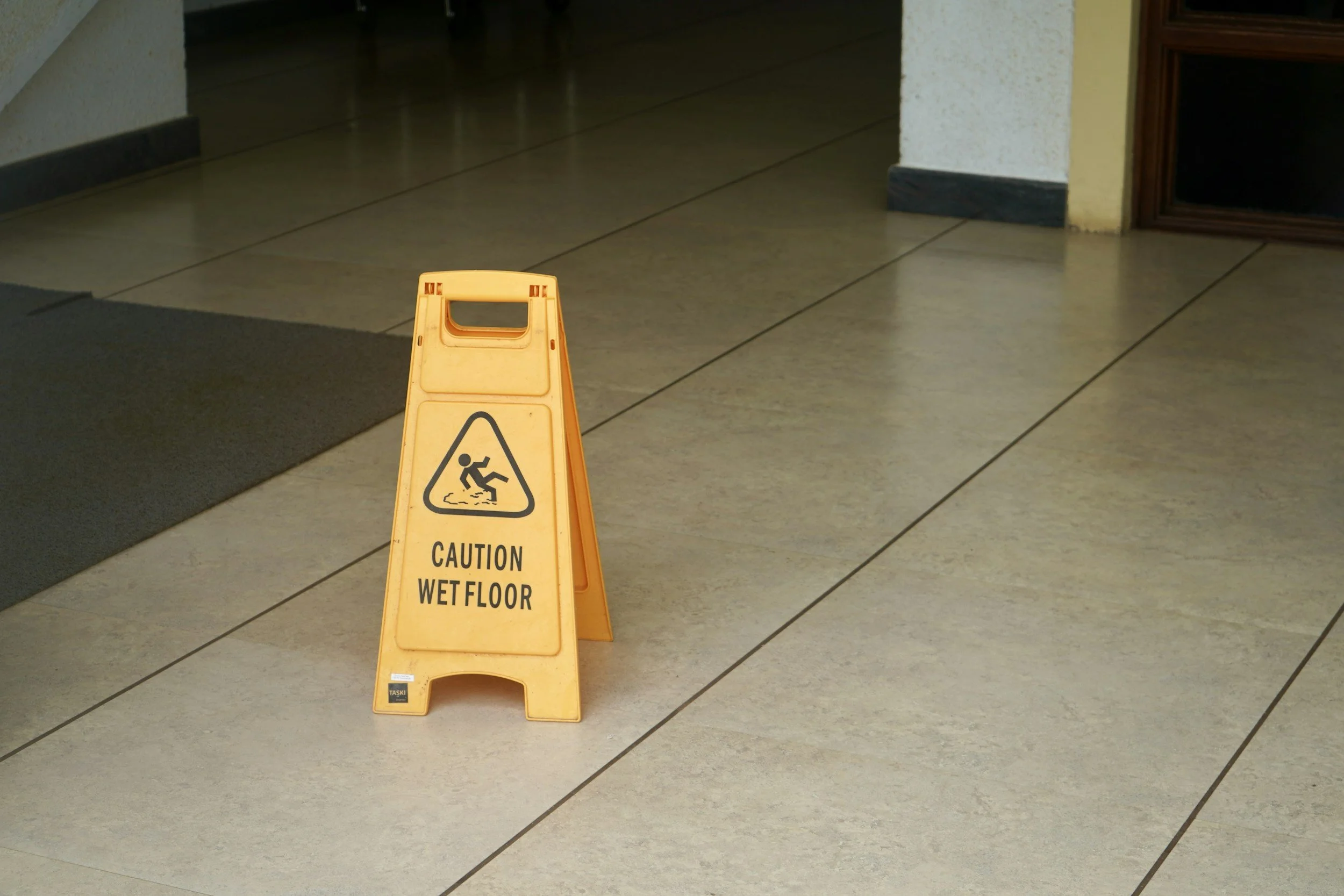
A fall happens in a heartbeat. One second you're walking along normally, and the next you're on the ground, stunned and hurting, trying to figure out what on earth just happened. It's disorienting, embarrassing, and often painful. Sometimes all three at once.
While you're catching your breath, the world around you keeps moving. An employee rushes over with a mop. Someone picks up the fallen item. Another customer walks right through the spill. Within just a few minutes, the scene may look completely different. Nobody's being sneaky.
That's the frustrating reality behind so many falls. The very condition that caused someone to slip or trip can be cleaned, fixed, or moved almost immediately. Once that happens, proving what the floor or walkway actually looked like can become surprisingly, frustratingly difficult.
Why Dangerous Conditions Can Vanish So Quickly
Liquids are the classic example. A puddle of water, a spilled drink, or a leaking cooler can be wiped up in mere seconds. Some spills even evaporate on their own, leaving behind nothing but a faint, sticky mark, if anything at all. Poof.
Fallen objects disappear just as fast. A dropped piece of fruit, a loose box, or debris in an aisle may be picked up by an employee or kicked aside by another shopper. That's why preserving slip-and-fall accident evidence quickly can be so important.
Weather hazards change constantly, too. Ice can melt, snow can be shoveled, and rainwater can dry once the sun comes out. Routine cleaning, salting, and maintenance may also erase conditions within minutes, often before anyone thinks to take a picture. It's nobody's fault, really.
The Surprising Importance of Photographs and Witnesses
Photos can freeze a moment in time. A few quick pictures of the floor, the hazard, the lighting, and the surrounding area can show exactly what conditions looked like when the fall happened. Close-ups and wider shots both help. Shoot from several angles.
Details really matter in those images. Footprints through a spill, cart tracks, dirt, or melted ice may suggest how long a hazard existed. Photos can also show whether warning signs were present or whether lighting made the hazard hard to see.
Independent witnesses can be just as valuable. A shopper who saw the spill earlier or noticed no warning cones can support an injured person's account. Getting names and phone numbers at the scene matters, because witnesses often leave quickly and can be hard to find later.
Why Security Footage May Not Be Available Forever
Many stores, apartment buildings, and businesses have security cameras. That footage can show the moment of a fall, how a hazard appeared, and whether employees walked past it beforehand. It can be some of the most powerful evidence available. It's basically a replay.
But video doesn't last forever. Many surveillance systems automatically record over older footage after a set period, sometimes just days or weeks. If nobody asks for the recording to be saved, it may be erased as part of normal operations. It's routine, not sinister.
That's why fast, timely preservation requests matter so much. A written request asking the property owner to keep relevant footage and records can help protect that evidence. Waiting even a week too long can mean losing the clearest picture of what actually happened.
How Investigators Reconstruct a Fall After the Scene Changes
Even after a hazard is gone, the paper trail may remain. Incident reports filled out by employees or managers can record the time, location, and conditions of a fall. These reports are often created the same day. Paper doesn't get mopped up.
Maintenance and inspection records can be very revealing. Sweep logs, cleaning schedules, and repair requests may show when an area was last checked and whether known problems were ignored. Gaps or sloppy entries in those records can raise important questions about safety practices.
Employee statements help fill in the rest. Workers may clearly remember when a spill was reported, who was responsible for cleaning it, or whether similar hazards happened before. Combined with photos, witnesses, and video, these details can help rebuild the scene long after it's changed.
Conclusion
The conditions behind a fall often disappear faster than anyone expects. Spills get mopped, objects get picked up, ice melts, and footage gets recorded over. Within minutes or days, the scene can look nothing like it did at the moment someone got hurt.
Photos, witness information, video, incident reports, and maintenance records can all help preserve the truth. Each piece adds context, and together they can show what the hazard looked like and how long it may have been there. No single item tells everything.
Acting quickly really makes all the difference. Taking plenty of pictures, collecting contact information, and requesting that footage be preserved can protect facts that might otherwise become impossible to prove later. A few minutes of documentation can matter a great deal further down the road.
