
Working On Your Personal Style As A Man
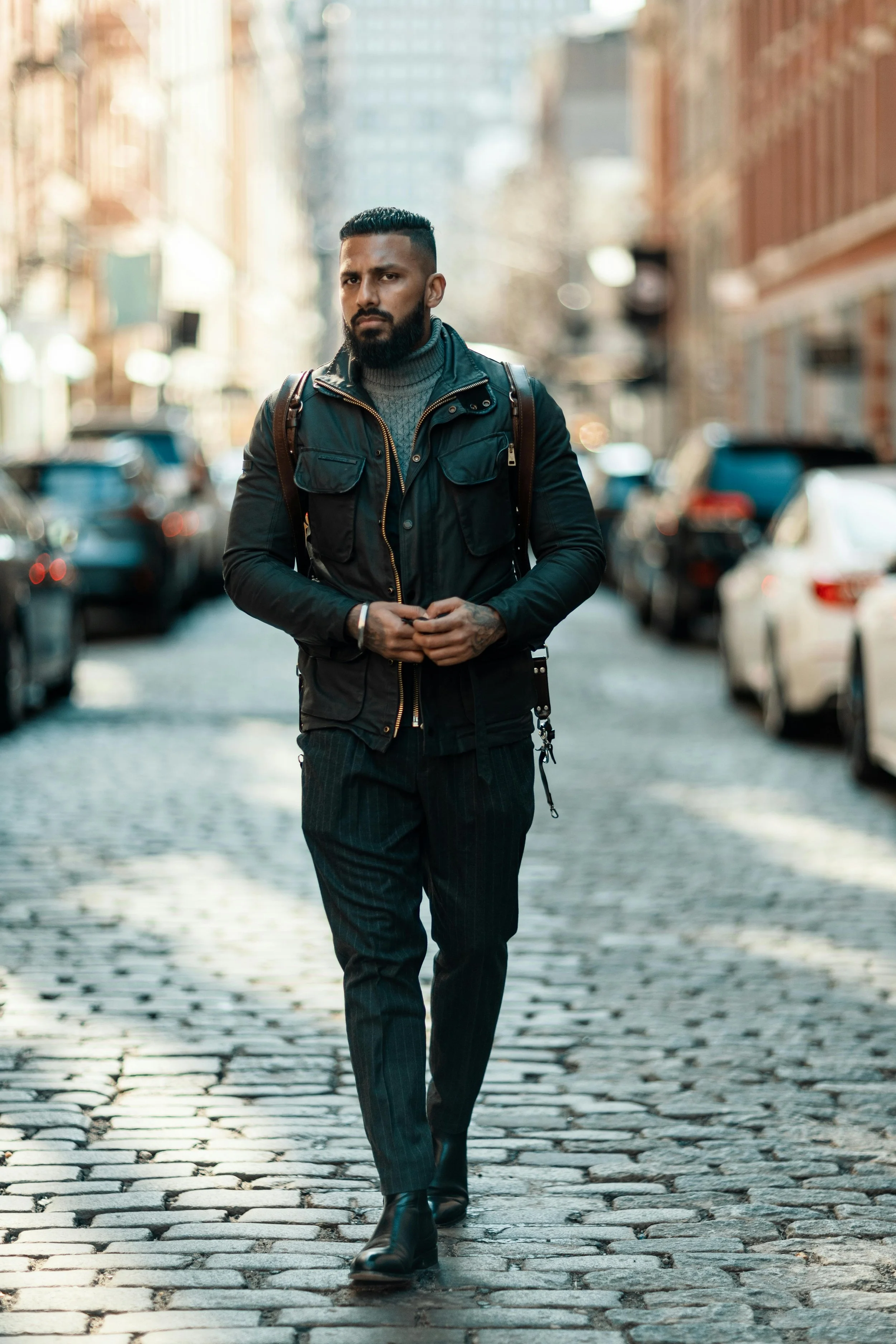
For whatever reason, men are not often encouraged to really think about their personal style and how they appear. However, this is something that you might want to do, especially if you are keen on trying to look your best and gain some confidence. There’s a quiet moment, usually somewhere between getting dressed and stepping out the door, where you either feel aligned with yourself or slightly out of tune. Personal style lives in that moment. It isn’t about impressing strangers or keeping pace with trends; it’s about recognising yourself in the mirror without hesitation. For men especially, where the range of socially “acceptable” expression has historically been narrower, developing a personal style can feel like both an invitation and a risk. But it’s also one of the most satisfying ways to shape how you move through the world.
Paying Attention
The starting point is not your wardrobe. It’s attention. Notice what you’re drawn to, even when it seems inconsistent. Maybe you like the clean lines of tailored clothing but also feel a pull toward worn-in fabrics and rough textures. Maybe you admire minimalism but can’t resist a well-placed detail. Style doesn’t demand purity; it thrives on tension. The goal isn’t to reduce your taste to a single idea, but to find the thread that runs through it.
That thread is often emotional rather than visual. Some men dress to feel sharp, others to feel comfortable, others to feel slightly apart from the crowd. When you identify the feeling you’re aiming for, decisions become easier. Clothes stop being random choices and start becoming tools.
Getting The Fit Right
From there, fit becomes your foundation. You can wear the simplest outfit in the world - a plain T-shirt and jeans - and still look intentional if everything fits properly. Conversely, even the most expensive pieces lose their impact when they sit awkwardly on the body. Learning how clothes should sit on your shoulders, taper at your waist, or break at your shoes is one of the most practical investments you can make in your appearance.

Accessories
But style doesn’t end with clothing. It expands outward into the details, the things that seem small until they aren’t. A watch, a ring, the way you roll your sleeves, the shoes you choose when no one is paying attention. These details are where personality begins to surface.
Jewellery, in particular, has become an increasingly expressive space for men. What was once limited to a wedding band or a watch has opened into something far more nuanced. Chains, signet rings, bracelets, and earrings now offer subtle ways to shift the tone of an outfit. Among these, helix earrings available online and worn along the upper cartilage of the ear stand out as a particularly interesting choice. They occupy a space between visible and discreet, allowing for expression without overwhelming the face. A small hoop or stud in the helix can add a sense of intention, a quiet signal that you’ve considered the details. What makes something like a helix earring compelling is not just the object itself, but the decision behind it. It suggests a willingness to step slightly outside expectation, to play with form without making it the centrepiece. That balance - between expression and restraint - is where strong personal style often lives.

Experimenting
Of course, not every experiment will land. Part of developing style is getting things wrong, sometimes repeatedly. You might buy something that feels right in the moment but never quite integrates into your wardrobe. You might try a look that feels forced rather than natural. These missteps aren’t failures; they’re information. They tell you where your boundaries are, and where they might be worth pushing.
It’s also worth recognising the difference between inspiration and imitation. It’s easy to see someone whose style you admire and try to replicate it piece by piece. But what works for them may not translate directly to you, because style is inseparable from context - your body, your environment, your way of moving. Instead of copying, try extracting principles. Is it their use of colour? Their layering? Their confidence in mixing formal and casual elements? Once you understand the underlying choices, you can adapt them in a way that feels authentic.
Being Consistent To You
Another overlooked aspect of personal style is consistency. This doesn’t mean wearing the same thing every day, but rather developing a visual language that people come to associate with you. It might be a preference for certain colours, a particular silhouette, or a recurring accessory. Over time, these patterns create a sense of cohesion. You become recognisable not because you’re loud, but because you’re clear.
That clarity often emerges through editing. It’s tempting to keep adding - more clothes, more options, more variety - but style frequently improves when you take things away. A wardrobe filled with pieces you genuinely like and wear will always outperform one that’s larger but less intentional. The same goes for individual outfits. Removing a single unnecessary element can sharpen the entire look.
Practicality & Confidence
There’s also a practical side to all of this. Your lifestyle should shape your style, not the other way around. If you spend most of your time moving, working, or travelling, your clothes need to accommodate that. A style that looks good but doesn’t function will eventually be abandoned. The aim is to find a balance where form and function reinforce each other.
And then there’s confidence, which is often misunderstood. It’s not about feeling perfect in what you’re wearing. It’s about not being overly preoccupied with it. When your style aligns with you, it fades into the background in the best possible way. You stop adjusting, second-guessing, or seeking validation. You just move.
Related:
