
10 Ways To Ease Post-Workout Muscle Soreness
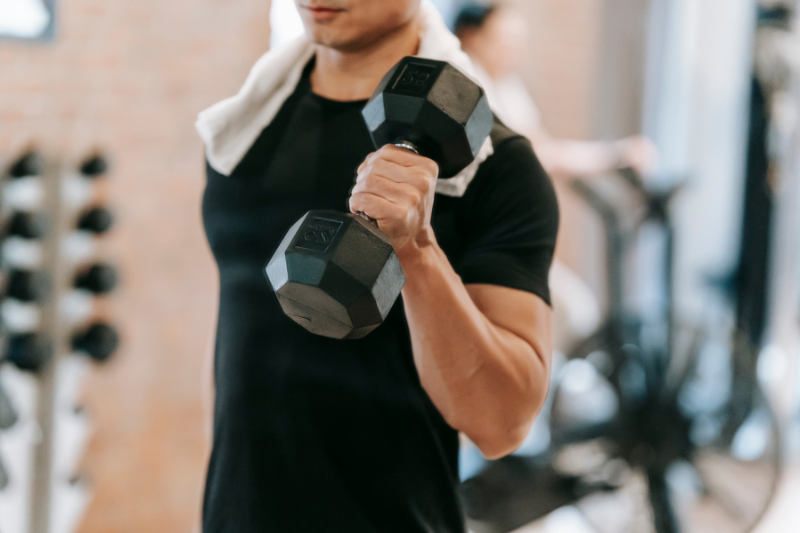
Post-workout muscle soreness often feels better with light movement, rest, enough fluids, nourishing food, good sleep, and gentle hands-on care such as massage or foam rolling.
A tough workout can leave your legs heavy, your shoulders tender, or even make stairs feel harder the next morning. This is common when you try a new exercise, lift more weight than usual, or return to training after time away.
Your body usually needs time more than anything else. Light activity and simple recovery habits can make those first few sore days easier. Some people also include acupuncture therapy as part of their post-workout care when muscle tightness or soreness lingers.
What to Remember
Light walking or easy movement may help stiff muscles feel looser without adding another hard training session.
Massage and foam rolling can help with soreness and temporary stiffness.
Protein, carbohydrates, water, and sleep all play a part in recovery after exercise.
Heat often feels good on tight muscles, while cold may offer short-term relief when an area feels painful.
Some people also add cupping massage or Chinese medicine herbs to their recovery routine alongside appropriate rest and care.
Why Do Your Muscles Feel Sore After a Workout?
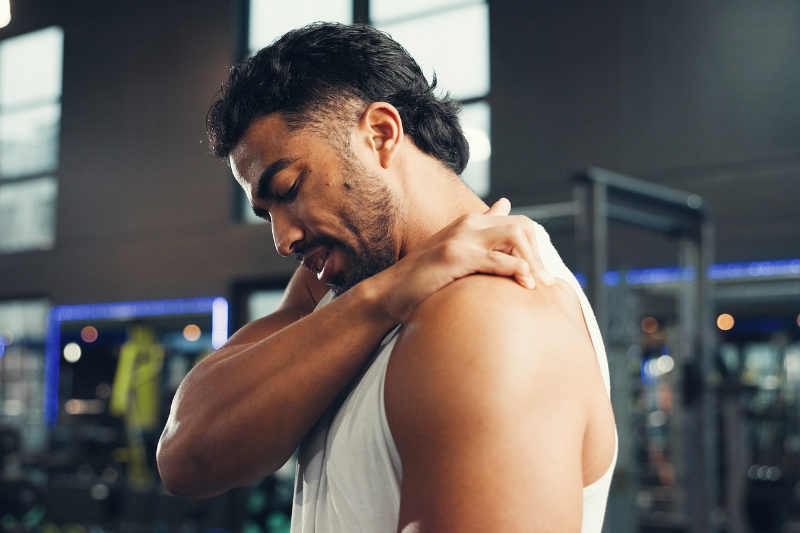
Soreness after exercise often comes from delayed onset muscle soreness, or DOMS, which tends to appear after your muscles handle a type or amount of work they are not used to.
You may feel fine when you leave the gym, then wake up sore the next day. That delay is one of the main features of DOMS.
It often follows exercises that place a muscle under tension as it lengthens. Think about lowering a dumbbell during a biceps curl, walking downhill, landing from a jump, or lowering yourself into a squat.
Your muscles react to the unfamiliar workload, and the body begins a repair response afterward. This can leave the trained area tender, stiff, or temporarily weaker.
DOMS often appears one to three days after a hard or unfamiliar workout and usually fades within several days.
Soreness is not proof that a workout worked. Once your body becomes used to an exercise, you may have little soreness even though you are still getting stronger or fitter.
1. Keep Moving, but Keep It Easy
Gentle activity can help sore muscles feel less stiff without putting them through another demanding workout.
If your legs hurt after training, try an easy walk. Light cycling, swimming, or gentle mobility work can also feel good.
The effort should stay low. You should not finish a recovery session feeling more exhausted than when you started.
Pay attention to how your body responds. If a few minutes of movement make your muscles loosen up, continue at an easy pace. If the pain gets stronger or changes the way you move, stop and give the area more time.
Active recovery can be useful after strenuous exercise, but it does not mean you need to train hard every day.
2. Give the Sore Muscles Time to Rest
Rest gives your muscles time to settle after a demanding training session.
You do not always need to skip the gym completely. You can train another area of the body or choose a lighter session while the sore muscles recover.
Suppose your legs are very sore after squats. An upper-body session may make more sense than another heavy leg workout.
Be more cautious when soreness changes your form. If you cannot squat, run, lift, or move the way you normally do, reducing the workload is often the better choice.
Trying to force your usual intensity while your movement is altered can place extra stress on other muscles or joints. Clinical guidance also recommends avoiding intense exercise with muscles that are still very sore.
3. Try Foam Rolling
Foam rolling may help reduce the feeling of post-workout soreness and make stiff muscles feel easier to move.
Roll slowly over the muscle rather than moving back and forth as fast as possible. Use pressure that feels firm but tolerable.
More pain does not mean better results.
Research on foam rolling has produced mixed findings, but several reviews have found small improvements in soreness or movement after exercise. A recent study also found that foam rolling helped muscle stiffness and tone after exercise, though it did not outperform rest for pain relief.
Think of the foam roller as a comfort tool rather than a way to force your muscles to recover faster.
4. Use Gentle Massage
Massage may help ease post-workout soreness and make tight muscles feel more comfortable.
You can use your hands, book a massage, or use a massage device at a low setting.
Research that compared several post-exercise recovery methods found massage helpful for reducing the feeling of DOMS and fatigue. Another review found small improvements in soreness and flexibility after sports massage.
Keep the pressure comfortable. Do not aggressively massage an area that is sharply painful, badly swollen, bruised, or injured.
That distinction matters. Normal muscle soreness and an injury do not always need the same care.
5. Use Heat When Muscles Feel Tight
Warmth can make stiff or tight muscles feel more comfortable and easier to move.
A warm shower may be enough. You can also try a warm bath or heating pad.
Keep the temperature comfortable and place a layer between your skin and a heating device when needed.
Heat will not erase muscle soreness on the spot. Its main role is comfort. It can help reduce the stiff feeling that makes normal movement unpleasant after a hard workout.
Heat therapy is one of the home-care options used for DOMS, especially when stiffness is the main complaint.
6. Try Cold for Short-Term Pain Relief
Cold can temporarily reduce pain when a sore area feels more uncomfortable than stiff.
Wrap a cold pack in a thin towel before placing it against your skin. Avoid leaving ice directly on bare skin for long periods.
You do not have to choose one method for every situation. You may prefer warmth when your muscles feel tight and cold when you want temporary pain relief.
The better choice is often the one that makes you more comfortable without irritating the area.
7. Replace the Fluids You Lost
Drinking enough fluid after exercise helps your body return to its normal fluid balance, especially after long or sweaty workouts.
Water works well for many gym sessions.
If you exercised for a long time, trained outdoors in hot conditions, or sweated heavily, you may also need sodium and other electrolytes.
Do not treat water as a cure for DOMS. Drinking several extra bottles will not suddenly remove soreness. The aim is to replace what you lost and support your normal recovery needs.
After long or strenuous exercise, sports nutrition guidance places water, carbohydrates, protein, and sodium replacement among the main post-exercise nutrition needs.
8. Eat Protein and Carbohydrates
A balanced post-workout meal gives your body nutrients it can use after exercise.
Protein supplies amino acids used during muscle repair and remodeling. Carbohydrates help restore glycogen, the stored form of carbohydrate your muscles use for fuel.
Your meal does not need to be complicated.
You might have eggs, toast, and fruit. Greek yogurt with oats and berries also works well. Other options include chicken with rice and vegetables, tofu with noodles, or a smoothie made with fruit and a protein source.
If you train again soon, replacing carbohydrates becomes even more useful because your muscles rely on stored glycogen during demanding exercise.
Food cannot make DOMS disappear overnight, but eating enough supports the recovery process better than skipping meals after hard training.
9. Make Sleep Part of Your Workout Routine
Good sleep gives your body uninterrupted time to recover from the physical stress of training.
It is easy to focus on supplements, massage tools, ice baths, or recovery gadgets while ignoring sleep.
Yet your workout is only one part of the picture. Your body still has work to do once you leave the gym.
Try to keep a regular sleep schedule when possible. If training late at night makes it hard to fall asleep, moving your workout earlier may help.
You do not need a complicated nighttime routine. The main goal is getting enough restful sleep on a regular basis.
10. Ease Back Into Hard Training
You can reduce severe post-workout soreness by giving your body time to adjust to new exercises and heavier workloads.
Start new movements with a manageable amount of weight and volume.
If you have not trained your legs for several weeks, jumping straight into a long session packed with squats, lunges, and heavy deadlifts may leave you sore for days.
A smaller first session gives your muscles a chance to adapt.
Then you can add weight, repetitions, sets, or training time little by little.
Your body often becomes less sore as it gets used to the same type of exercise. This is one reason regular training tends to cause less DOMS than constantly switching to unfamiliar, high-volume workouts.
Should You Stretch Sore Muscles?
Gentle stretching may help a stiff muscle feel more comfortable, but stretching alone will not reliably get rid of DOMS.
Keep the stretch mild. You should feel tension, not sharp pain.
Easy mobility movements can also work well. After a hard leg session, you might slowly move your hips, knees, and ankles through a comfortable range before going for a short walk.
Avoid forcing yourself deeper into a stretch simply because the muscle is sore.
The aim is comfortable movement, not pushing the tissue as far as it will go.
Can You Work Out When Your Muscles Are Sore?
You can often stay active with mild muscle soreness, but strong soreness that changes your movement is a good reason to reduce the intensity.
Mild soreness may not interfere with training at all. A warm-up may even make you feel better once your muscles start moving.
Stronger soreness deserves more care.
If your legs are so sore that you change the way you walk or squat, another heavy lower-body session may not be a good choice. You could train your upper body, take a rest day, or choose easy cardio instead.
Watch the trend, too. Ordinary DOMS should slowly get better. Pain that becomes worse each day needs more attention.
Is It Muscle Soreness or an Injury?
DOMS usually causes a dull, tender feeling in muscles you recently trained, while injuries are more likely to cause sudden, sharp, localized, or worsening pain.
Normal soreness tends to follow a predictable pattern. You trained hard, the area became sore later, and it gradually improves over the next few days.
Seek medical care when pain feels severe or unusual, or when you have major swelling, severe weakness, trouble using the affected body part, or pain that does not begin to improve.
Dark, red, or cola-colored urine after strenuous exercise also needs prompt medical attention. It can occur with rhabdomyolysis, a serious condition involving muscle tissue breakdown.
Frequently Asked Questions
What is the fastest way to ease sore muscles after a workout?
There is no instant treatment for DOMS. Light movement, rest, massage, foam rolling, enough fluids, nourishing meals, and sleep may make you more comfortable while your muscles recover.
Is heat or ice better for sore muscles?
Heat often feels better when muscles are stiff or tight. Cold may be more comfortable when you want temporary pain relief. Either can be used based on how the area feels.
Should you rest sore muscles or keep moving?
Mild soreness usually allows light movement. Very sore muscles may need a break from hard training until your normal movement and strength begin to return.
Does foam rolling really help muscle soreness?
Foam rolling may provide a small reduction in soreness or stiffness for some people. Research findings differ, so it is better treated as a comfort measure rather than a guaranteed way to speed recovery.
How long does post-workout muscle soreness last?
DOMS often starts one to three days after a hard or unfamiliar workout and usually fades within several days. Pain that lasts more than a week or keeps getting worse should be checked by a healthcare professional.
Does being sore mean you had a good workout?
No. You can have a productive workout without becoming sore. DOMS often reflects a new or unusually demanding exercise stimulus rather than the quality of the workout itself.
