
5 Common Misconceptions Adult Patients Have About Spine Correction for Scoliosis
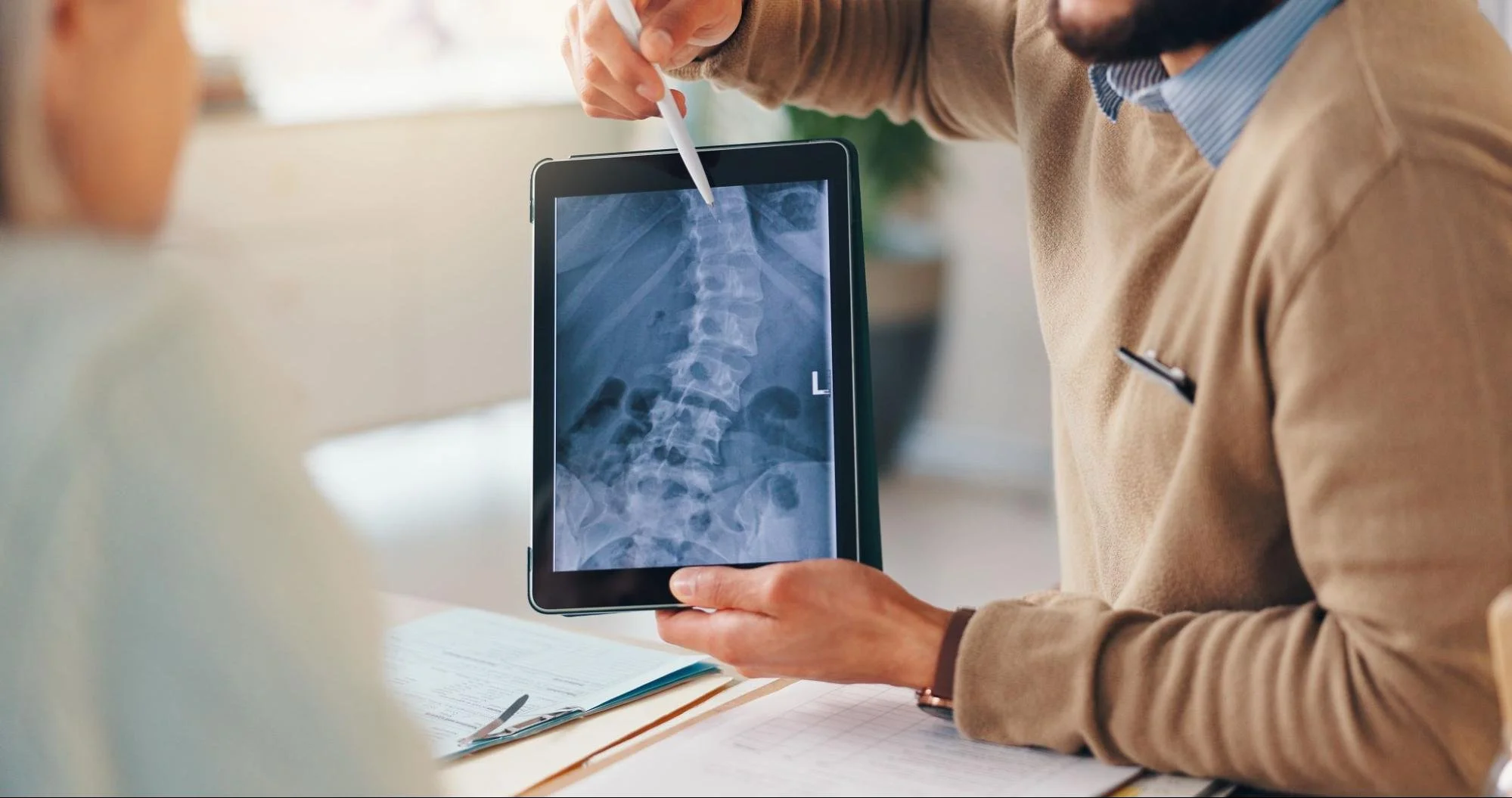
Adults receiving a scoliosis diagnosis, often incidentally during imaging for something unrelated, tend to arrive at their first consultation carrying assumptions from adolescent scoliosis discussions that don't transfer well. Adult presentations differ meaningfully, both in what causes the curve to change and in what care realistically achieves. Five misconceptions come up repeatedly, and each one affects how patients evaluate whether conservative management or surgical consultation is the right path for them.
1. "Chiropractic Care Will Straighten the Curve"
This is the most consequential misconception. In a skeletally mature adult, the structural curve itself is not reversible through manual therapy, and any practitioner suggesting otherwise is overstating what's achievable. What conservative scoliosis and chiropractic care in Singapore more realistically targets is symptom management: pain, stiffness, restricted movement, and the muscular imbalances that develop around a curve. That's a meaningful goal, and it's a different goal from correction of the curve itself. Patients evaluating options are better served by a practitioner who states this distinction plainly at the outset.
2. "Surgery Is the Only Alternative if Conservative Care Doesn't Work"
The options are not binary. Between conservative manual therapy and surgical intervention sit several approaches, including targeted physiotherapy, scoliosis-specific exercise programmes, pain management input, and in some cases bracing for adults with particular presentations. Patients who frame the decision as adjustments or surgery often overlook these, and a spinal specialist consultation typically covers the full range rather than only the surgical question.
3. "A Larger Cobb Angle Always Means More Pain"
Pain correlates poorly with curve magnitude in adults. Some patients with substantial curves report minimal discomfort, while others with milder curvature experience significant pain, often related to degenerative changes, muscular compensation, or nerve irritation rather than the curve's degree itself. This means treatment decisions should be driven by symptoms and function rather than by the number on an imaging report alone.
4. "Progression Stops Once You're an Adult"
Adult curves can progress, typically slowly and for reasons different from adolescent progression, often linked to disc degeneration and changes in bone density. This is why periodic monitoring through repeat imaging at intervals set by a doctor remains relevant into adulthood, and why a patient under conservative care should still have that monitoring in place rather than assuming a stable diagnosis needs no further review.
5. "Symptoms Improving Means the Underlying Situation Has Changed"
Improvement in pain and mobility is a genuinely valuable outcome, and it doesn't indicate the curve has altered. Patients who conflate the two sometimes discontinue monitoring on the assumption that feeling better means the structural picture has improved. Keeping symptom management and structural monitoring as separate tracks avoids that error.
Common Misconceptions Worth Setting Aside
Believing manual therapy can straighten a skeletally mature curve
Framing the choice as conservative care or surgery, with nothing in between
Assuming pain severity tracks directly with Cobb angle
Expecting curve progression to stop entirely in adulthood
Reading symptom improvement as evidence of structural change
Building a Plan on Accurate Expectations
Adults managing scoliosis generally do best with a plan that involves more than one professional: a spinal specialist for diagnosis, imaging, and monitoring, and conservative practitioners for the ongoing symptom and function work. Anyone considering spine correction in Singapore should ask directly what outcome a practitioner is targeting, over what timeframe, and how progress will be measured, since a clear answer to those three questions separates realistic care from overpromising. New or worsening neurological symptoms, including leg weakness, numbness, or changes in bladder or bowel function, warrant prompt medical assessment rather than continued conservative treatment.
Contact Chiropractic Studio to discuss a realistic symptom management plan alongside the specialist monitoring your scoliosis requires.
