
How Cold Therapy Aids Muscle Recovery
Pushing your physical limits through intense training brings great satisfaction, but post-workout muscle stiffness can slow down your momentum. Cold exposure has emerged as a go-to recovery method for athletes who want to bounce back quickly.
Simple cold applications directly target tired muscle fibers to relieve tension. Understanding how cooling impacts body tissues makes planning an effective recovery routine easy and practical.
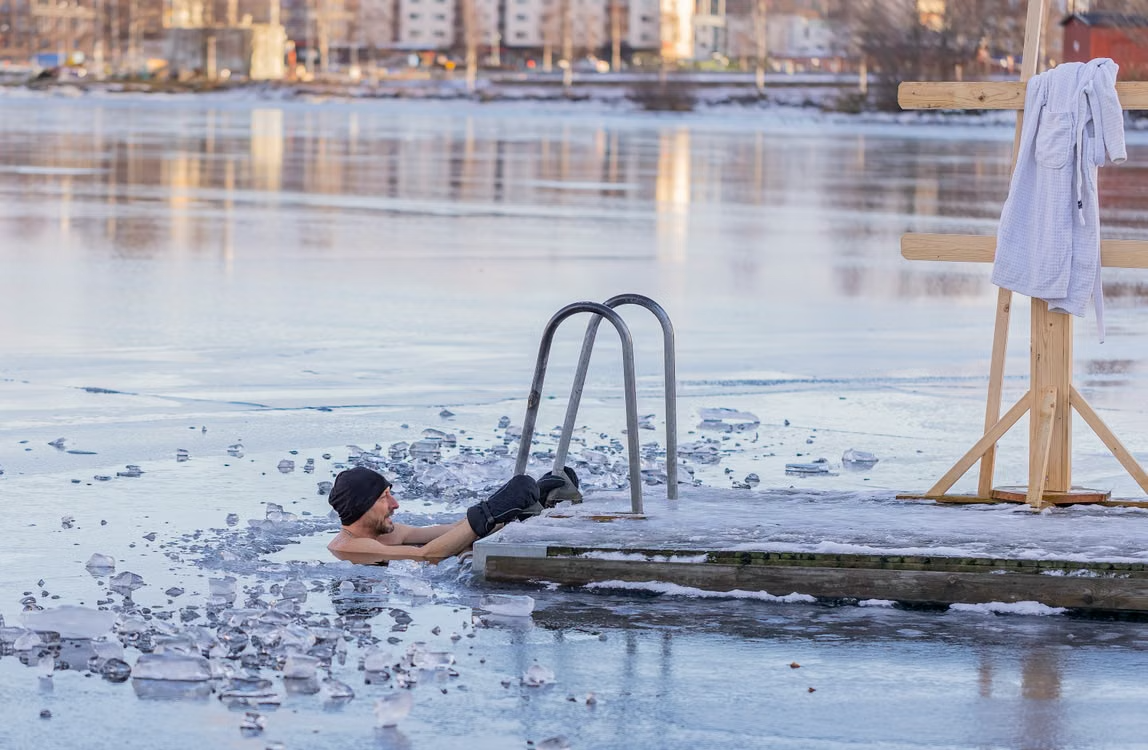
Combining Temperature Extremes For Faster Recovery
Athletes constantly seek smart routines to restore energy after grueling workout sessions. Swapping between temperatures with hot and cold plunge therapy RCVRI style helps flush out metabolic waste through rapid vascular changes. The process pushes fresh oxygenated blood into tired tissues within 10 minutes. Many lifters notice reduced tightness almost immediately after finishing their routine.
Body temperature shifts trigger distinct nervous system responses. Exposing skin to ice-cold environments causes blood vessels to constrict swiftly. This natural reaction moves excess fluid away from overworked joints and muscles. Returning to ambient temperatures allows clean blood to circulate back into the tissue.
Calming Inflammation After Intense Workouts
Heavy weightlifting and high-intensity interval training create micro-tears in muscle tissue. This microscopic damage leads to swelling and discomfort that peaks 24 to 48 hours later.
Soaking in cold water curtails this inflammatory response before it spreads throughout the muscle tissue. Research from a medical publication indicates that cold-water immersion reduces delayed-onset muscle soreness after exercise compared with passive rest.
Lowering tissue temperature slows cellular metabolism. This cooling effect reduces secondary cell damage in surrounding muscle fibers during early recovery. Adding structured cooling right after exercise offers key benefits:
It lowers localized swelling around tender tendons.
It cuts down structural tissue breakdown during heavy training cycles.
It speeds up physical readiness for your next workout session.
Reducing Pain Signals In Microtrauma
Hard physical effort leaves peripheral nerve endings hypersensitive to pressure and movement. Cold application acts as a temporary numbing agent for irritated nerves in strained muscle groups. A university study revealed that cold therapy decreases pain in the initial phase following exercise-induced microtrauma.
Slowing down nerve conduction gives your brain a break from sharp discomfort. You experience fewer aches when moving around after strenuous leg training or long-distance runs. Dropping skin temperature by just a few degrees brings noticeable comfort to aching joints.
Chilling the skin surface signals the nervous system to mute pain messages. This physical reaction reduces muscle spasms and stiffness in heavy working muscles. Resting comfortably after workouts speeds up full systemic recovery.

Preserving Muscle Power And Strength
Muscular fatigue often lingers for 2 to 3 days after maximal exertion in the gym. Restoring physical output quickly allows consistent progress across long-term strength programs. An academic report found that immediate cold application after exercise minimizes the loss of muscular strength linked with delayed onset muscle soreness.
Maintaining full muscle recruitment protects your form during subsequent training sessions. Skipping deliberate cold recovery might leave your power output diminished for days. Adding ice immersion into your weekly schedule supports consistent performance gains.
Stronger muscle contractions rely on healthy muscle fibers free from persistent swelling. Cooling helps muscles recover their contractile force much faster. Athletes can maintain higher training volumes throughout the training month.
Taking control of your physical recovery keeps your long-term fitness goals on track. Cold therapy provides a straightforward tool to quiet soreness and preserve your physical power. Experimenting with ice baths or simple cold showers helps you discover what fits your schedule best. Consistency remains the true key to staying active and feeling strong every week.
