
7 Things Mothers Should Know Before Considering a Hair Transplant
Nobody warns you about your hair. You get told about the sleep, the stretch marks, the way your feet might never go back to their old size. The hair loss tends to arrive without a briefing, usually around four months after the baby, and usually while you are trying to do something else entirely.
For most women it settles. For some it does not, and years later the parting is wider, the ponytail is thinner, and you find yourself reading about surgery at eleven at night. Clinics in cities like Toronto report a steady rise in women booking consultations for exactly this reason, and they arrive with the same questions. Here is what is worth knowing first.
1. Postpartum Shedding Is a Different Thing Entirely
The handfuls in the shower a few months after birth are almost always temporary. Pregnancy hormones keep hair in its growing phase longer than usual, and when they drop, all that delayed shedding happens at once. It looks alarming and usually resolves within a year.
That is not what surgery treats. A transplant is for hair that is gone and not returning, a different problem on a different timeline. If your baby is under a year old, you are almost certainly still in the first category.
2. Female Hair Loss Is Far More Common Than It Appears
The silence around this is the strange part. According to the American Academy of Dermatology, the number of Americans affected by hereditary hair loss is around 80 million, and 30 million of those are women.
Thirty million. Which means that in any school pickup queue, several women are managing the same thing you are, quietly, with clever parting tricks and a hat for windy days. That does not fix it, but it takes some of the shame out of asking questions.
3. The Cause Has to Be Identified Before Anything Else
No reputable surgeon will operate without knowing why the hair went. Several causes are treatable without surgery, and some would actively cause a transplant to fail. The usual suspects worth ruling out first:
• Thyroid problems and iron deficiency, both common after pregnancy and both correctable.
• Traction alopecia from years of tight ponytails and buns, which can become permanent if ignored.
• Female pattern hair loss, which is hereditary and tends to widen the parting gradually.
• Autoimmune conditions such as alopecia areata, which cause patchy loss and need medical treatment.
• Scarring conditions of the scalp, where transplanted follicles would struggle to survive.
A blood panel and a proper scalp examination should come before any conversation about grafts. If a clinic skips that step, that tells you something about the clinic.
4. You Need a Healthy Donor Area to Be a Candidate
This is the part that surprises women most. A transplant does not create new hair. It moves existing follicles from the back and sides of your head, where hair resists thinning, into the areas that need it.
That matters because female hair loss is often diffuse, thinning across the whole scalp rather than in one patch, which can leave the donor area too sparse to draw from. Anyone researching a Toronto hair transplant should expect that assessment to happen early, because it determines whether surgery is even on the table. It is the kind of assessment Dr. Jamil Asaria builds his consultations around, and he is known for telling women plainly when they are not candidates rather than booking them anyway. Given how much money is involved, a surgeon willing to say no is worth more than one who says yes to everyone.
5. Recovery Has to Fit Around Your Children
The procedure is long, often a full day, but recovery is more about restrictions than pain. You cannot wash your hair normally for several days, you sleep propped up at first, and the grafted area scabs visibly for a week to ten days.
Practically, that means no toddler grabbing at your head, no swimming, and a fortnight where you may prefer the school run to be someone else’s job. Worth booking around a half term rather than a random Tuesday.
6. It Is Not a One and Done Fix
Transplanted hair sheds before it regrows, so the first two or three months can feel like nothing has happened. Real growth starts around month four, and the full result takes twelve to eighteen months.
Surgery also does not stop your existing hair from thinning further. Most women need ongoing treatment alongside it, whether minoxidil, PRP sessions, or something prescribed. Any clinic presenting surgery as a permanent standalone fix is overselling it.
7. Surgery Is Not Always the Right Answer
Plenty of women who book consultations leave with a plan that involves no operating theater at all. That is a good outcome, not a wasted appointment. Non-surgical routes worth exploring first include:
• Topical minoxidil, which has the strongest evidence behind it for female pattern loss.
• Treating an underlying deficiency, which sometimes resolves the problem entirely.
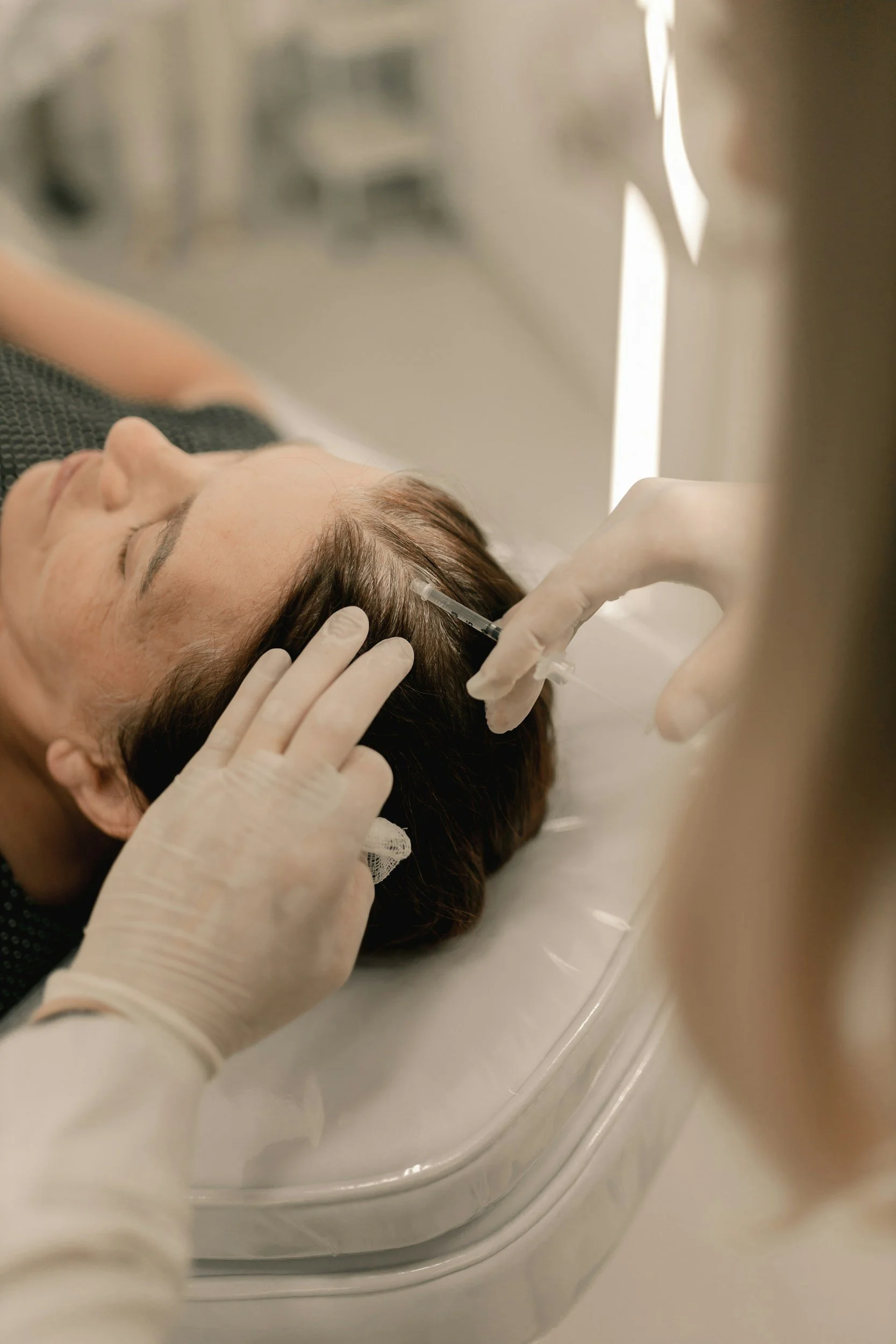
• PRP injections, which can improve density in hair that is thinning rather than gone.
• Changing how you wear your hair, particularly if tension is part of the cause.
• A dermatologist referral, which costs far less than surgery and often answers the question.
Surgery makes sense once those have been tried or ruled out, not as the opening move.
Conclusion
If your hair has been thinning for over a year and is not going back, you are allowed to take that seriously. It is not vanity to want to recognize yourself in the mirror.
Start with blood tests and a proper diagnosis rather than a clinic website. Once you know what you are dealing with, the decision about what to do next becomes much simpler and far less frightening.
