
Understanding the Importance of Physiotherapy for Recovery
Sustaining an injury or undergoing surgery leaves the human body weak and limited. Getting back to everyday routines takes patience, structure, and expert care.
Targeted rehabilitation restores natural movement patterns so people return to daily life with confidence. Working with trained physical therapists speeds up healing and reduces pain. Proper physical guidance keeps the body moving safely to rebuild long-term endurance.

What Happens to the Body After an Injury?
Recovering from a severe physical setback requires a clear plan tailored to individual movement needs. Accessing reliable specialist healthcare in Sydney helps patients rebuild strength under proper guidance. Dedicated rehabilitation professionals guide every stage of physical recovery to prevent future injuries.
Tissues become tight when muscles remain unused during extended periods of rest. Joint stiffness sets in quickly, making simple tasks like walking or reaching higher objects difficult. Early intervention keeps muscles active and maintains full joint range.
Protecting injured limbs without total immobility encourages healthy circulation. Targeted therapeutic care helps control local swelling and discomfort during early healing phases. Consistent care keeps the body on a positive track.
Restoring Movement and Mobility Safely
A structured therapy routine serves as a standard path toward full physical function. A prominent medical center noted that physical therapy helps individuals manage movement issues and recover from surgical procedures or accidental trauma. Gentle manual techniques help reduce localized soreness.
Targeted exercises focus directly on restoring flexibility without straining recovering joints. A regional healthcare organization pointed out that targeted exercises rebuild mobility so individuals can safely resume standard daily routines. Customized movements protect healing tissues and build athletic stamina.
Supervised practice maintains proper form during every session. Correct form prevents compensatory movements that place extra stress on secondary muscles. Patients gain steady progress through carefully monitored physical routines.
Preventing Long-Term Stiffness and Joint Issues
Skipping systematic care after an accident can result in lasting physical complications. A Canadian physical therapy blog mentioned that lacking a formal recovery schedule can cause improper healing, leading to muscle weakness and stiff joints. These unresolved issues frequently turn into chronic discomfort.
Hands-on treatment combined with tailored movements offers a clear path toward long-term relief. A private rehabilitation clinic highlighted that manual therapy techniques and specific routines work together to boost joint flexibility. These hands-on methods keep scar tissue pliable and functional.
Consistent movement patterns prevent tight scar tissue from binding underlying muscles. Restoring smooth motion allows joints to function naturally without catching or aching. Continuous physical support builds long-lasting resilience.
Key Benefits of Targeted Physical Therapy
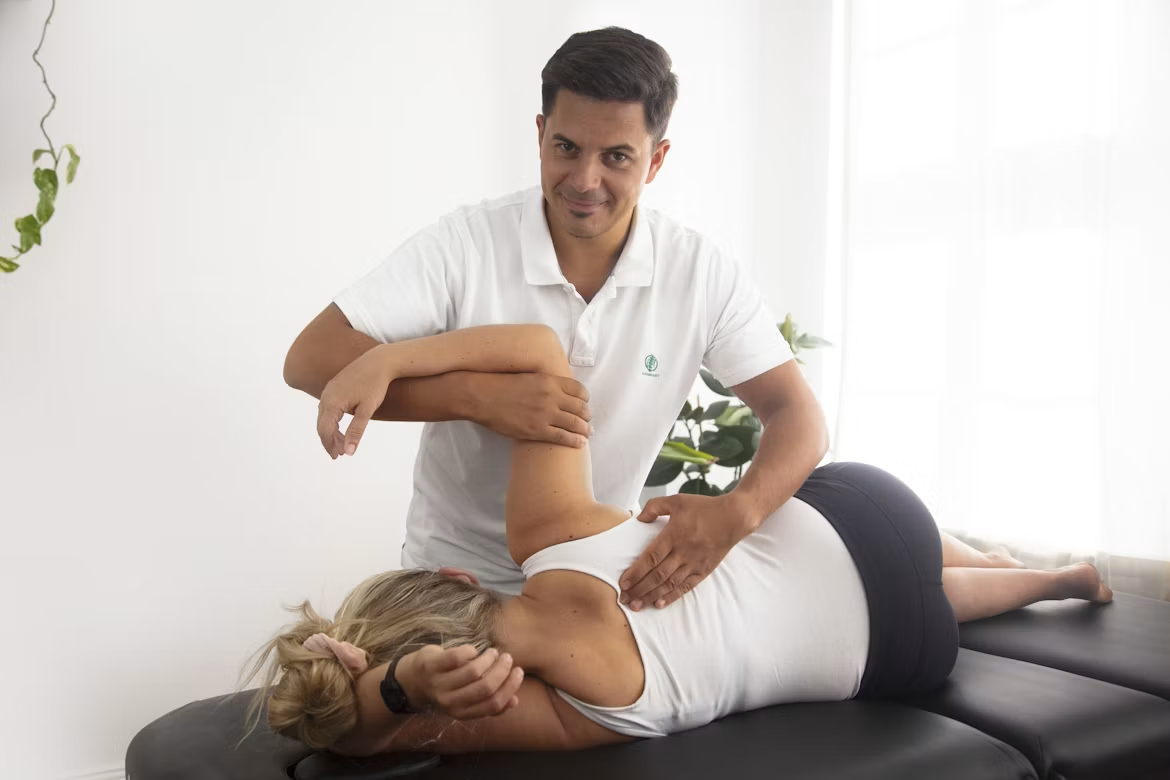
Rehabilitation programs adapt to the unique needs of every single patient. A regional Australian government health service explained that physiotherapy aids recovery after illness or surgery by teaching the most effective ways to exercise. Customized care addresses specific bodily limitations directly.
Structured care delivers several direct advantages throughout the healing process:
Learning correct posture during physical tasks to avoid re-injury
Rebuilding core muscular strength around affected joints
Decreasing swelling through targeted movement routines
Restoring functional balance and coordination for daily tasks
Working through structured steps empowers patients to regain physical confidence. Regular progress evaluations keep treatment goals aligned with personal recovery milestones. Each milestone represents a step closer to full daily independence.
Managing Chronic Conditions and Rehabilitation Goals
Rehabilitation extends beyond temporary sports injuries or sudden accidents. A specialized rehabilitation site shared that structured therapy helps people manage long-term medical conditions and improve daily quality of life. Ongoing physical support manages persistent symptoms effectively.
Proper care relies on trained clinical professionals who understand movement science. An Australian public health portal stated that registered physiotherapists receive detailed education regarding human anatomical structures and functional body movements. Their expertise guarantees therapeutic exercises remain safe and beneficial.
Long-term care plans prioritize functional freedom for individuals of all ages. Regular adjustments to exercise routines keep body movements comfortable and effective. Strong therapist guidance helps patients manage long-standing joint conditions successfully.
Active Strategies to Speed Up Recovery
Staying entirely still during recovery often delays progress instead of helping it. Medical researchers at a top fitness publication indicated that remaining active within safe boundaries prevents muscle weakness and stiffness that slow down healing. Light activity stimulates repair mechanisms in damaged tissues.
Light daily activity keeps blood flowing directly to damaged areas. Gentle stretches paired with low-impact walking keep joints flexible and pain-free. Following a therapist-approved plan guarantees steady gains without overexertion.
Pacing daily activities prevents painful flare-ups during recovery. Balancing active movement with adequate rest gives muscles time to repair and strengthen naturally. Consistent effort brings sustainable long-term physical improvements.
Recovering physical strength demands time, consistency, and professional instruction. Following a tailored physical therapy routine grants individuals the tools to move safely and regain total independence. Taking proactive steps toward rehabilitation leads directly to a healthier, more active future.
