
Blepharoplasty for Men: Procedure, Results, and Recovery
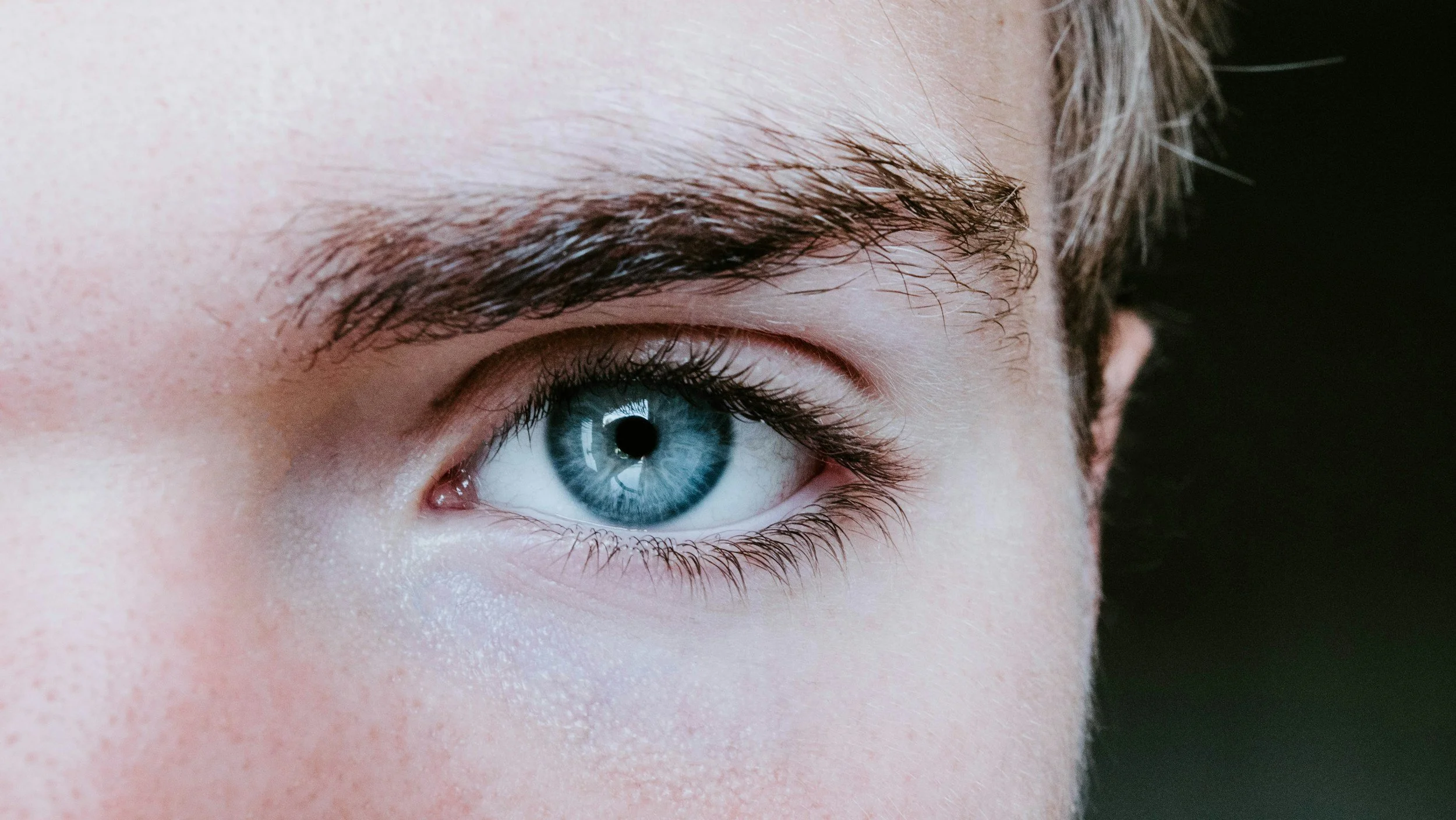
Blepharoplasty can help men treat loose eyelid skin, under-eye bags, and other changes around the eyes. The goal of blepharoplasty for men is to create a more rested look. It also preserves the face’s natural features.
Surgery may involve the upper eyelids, lower eyelids, or both. The right approach depends on skin, fat, brow position, eye shape, and health history. A surgeon can review these factors and decide whether surgery is right for you.
A guide to male blepharoplasty should cover excess skin, fat, eyelid position, recovery, risks, and realistic results. A complete guide should also explain upper and lower surgery, male facial traits, before-and-after results, and how the surgeon plans each case.
Key Takeaways
Blepharoplasty for men can treat loose upper eyelid skin, under-eye bags, and other age-related changes while preserving natural male facial features.
Upper and lower eyelid surgery use different techniques, and the right approach depends on skin, fat, brow position, eye shape, and eyelid support.
Recovery often includes swelling, bruising, dryness, and temporary tightness, with results continuing to settle over several weeks or months.
Risks can include bleeding, infection, dry eyes, scarring, eyelid position changes, and uneven results, so proper evaluation before surgery matters.
Choosing a surgeon with experience in male eyelid anatomy can help create a treatment plan that fits the patient’s facial structure and goals.
What Is Male Blepharoplasty?
Male blepharoplasty is a type of plastic surgery that treats loose skin, bulging fat, or other changes around the eyelids. It can treat the upper and lower eyelids at the same time or as separate procedures.
The goal is usually to improve specific concerns without changing the person’s basic facial features.
Eyelid surgery for men may need a different plan than surgery for some female patients. Men may have thicker skin, lower brows, and different eyelid creases.
These details can affect where surgeons place cuts and how much tissue they remove.
Why Men Consider Eyelid Surgery
The skin and tissues around the eyes change with age. Skin can become loose, fat can move forward, and the tissues that support the eyelids may weaken. These changes are part of aging and may create a tired or heavy look.
Men may consider surgery for concerns such as:
Loose skin above the eyes
Bags or puffiness under the eyes
Excess upper eyelid skin
Lower eyelid folds
Skin that blocks part of the visual field
Some men choose surgery for cosmetic reasons, while others have a functional problem. Removing excess skin may help when upper eyelid tissue blocks part of the vision.
A medical exam can help show whether the concern is cosmetic, functional, or both.
When reviewing possible techniques, it can help to learn more about blepharoplasty and how surgeons assess eyelid anatomy, skin, fat, and treatment goals before recommending a specific approach.
Upper Eyelid Blepharoplasty
Upper eyelid blepharoplasty treats skin and tissue on the upper lid. The surgeon may remove a small amount of skin and, when needed, adjust fat or muscle.
Cuts are often placed inside natural eyelid creases so scars are less noticeable after healing.
The surgeon must avoid taking away too much tissue. The eyelids still need to close well and protect the eyes. For men, keeping some natural fullness may help avoid a look that seems too deep or too sharp.
Lower Eyelid Blepharoplasty
Lower eyelid surgery can treat bags, loose skin, and changes in fat under the eyes. The surgeon may remove fat, move it to another area, tighten support, or remove a small amount of skin.
A cut may be placed just under the lash line or inside the lower eyelid.
Fat repositioning may help smooth the area between the eyelid and cheek. Taking away too much fat can make some patients look hollow. For this reason, the treatment plan should match the person’s facial structure and tissue.
Upper and Lower Surgery Together
Upper and lower blepharoplasty may be done during the same surgery when both areas need treatment.
This can address loose skin above the eye and bags or skin changes below it. The choice depends on your health, goals, anatomy, and how much correction you need.
Possible benefits can include:
Treating more than one eyelid concern
Matching changes in the upper and lower eye area
Going through one general recovery period
Creating a more balanced result
Treating both areas does not mean every part of the eye area should change. The surgeon still needs to protect eyelid function and keep the face looking natural.
Male Versus Female Eyelid Anatomy
A key part of blepharoplasty for men is considering how male facial traits may affect the surgery. Men may have thicker skin, heavier brows, and different eyelid folds than female patients. Variation still exists from person to person.
The surgeon should also check the brow position. A low brow can make the upper eyelid look heavier even when there is not much extra eyelid skin. In some cases, a brow lift may be discussed if the eyebrow itself is a major cause of the problem.
The aim is not to use the same measurements for every patient. The surgeon should plan the procedure around the person’s own anatomy and goals.
Who May Be a Candidate?
Good candidates are often healthy adults with clear eyelid concerns and realistic goals. Eye health also matters because dry eyes, poor eyelid closure, or other eye problems can affect surgery.
A full medical and eye history may be needed before treatment.
A surgeon may check:
The amount of extra skin
The position of eyelid fat
Eyelid strength and support
Brow and forehead position
Past eye surgery
Dry-eye symptoms
Health conditions and medications
This exam helps the surgeon decide if surgery is suitable and what method may be safest. Some people may also need an eye exam before surgery if they have vision or eye surface problems.
What Results Can Look Like
People searching for blepharoplasty before and after men often want to know how much their face may change. In many cases, the goal is to reduce bags or loose skin while keeping the face familiar.
Eyelid surgery results depend on anatomy, skin quality, healing, and how much tissue is changed.
Before-and-after photos can help show the range of possible results. They do not predict what one person will look like after surgery. Camera angle, light, facial expression, and healing time can all change how a photo looks.
Recovery After Eyelid Surgery
Swelling and bruising are common after surgery. Some people may also notice tightness, watery eyes, dry eyes, or mild vision changes during early healing. Recovery can vary based on the procedure type and the person’s healing response.
Common recovery steps may include:
Keeping the head raised
Using cold packs if advised
Avoiding hard exercise early on
Protecting the eyes from strong sun
Using eye drops or ointment as directed
Going to follow-up visits
Swelling often improves over time rather than all at once. Scars and tissues can also keep changing for weeks or months. Patients should wait until healing is more complete before judging the final result.
Risks and Possible Complications
Like any surgery, male eyelid surgery has risks. These may include bleeding, infection, scarring, dry eyes, uneven results, trouble closing the eyes, or changes in eyelid position.
Some people may need another procedure if healing or results do not go as planned.
Rare vision problems can also occur and may require prompt medical care. Risk can change based on health, anatomy, medications, smoking, and the type of surgery. Patients should discuss these factors before treatment.
Choosing a Surgeon
Experience with male facial and eyelid anatomy can be helpful when choosing a surgeon. The visit should include a review of goals, eye health, facial structure, possible risks, recovery, and other treatment options.
The surgeon should also explain how the plan will protect the person’s natural features.
Useful questions include:
How often do you perform upper eyelid blepharoplasty?
How do you plan surgery for male patients?
Will you remove or move fat?
How much skin do you plan to remove?
What risks apply to my case?
When should I expect to see the final result?
Clear answers should explain why a certain method fits the patient’s anatomy. A full exam provides more useful information than choosing a procedure based only on online photos.
When to Schedule a Consultation
You may want to schedule a consultation if heavy eyelids, bags, or loose skin continue to bother you.
The surgeon should review the upper lid, lower lids, brow position, skin, fat, and overall eye shape. Your health history and goals should also factor into the decision.
Blepharoplasty can treat several signs of aging around the eyes, but it does not stop future aging. Knowing what surgery can and cannot change can help you decide if it fits your needs.
A clear treatment plan should focus on function, natural results, and your individual anatomy.
