
What to Expect During HBO Therapy for Wound Care
A wound that won't heal after eight or ten weeks of standard treatment often needs more than dressings and antibiotics. Hyperbaric oxygen (HBO) therapy is one of the tools doctors turn to for stubborn diabetic ulcers, radiation injuries, and wounds with poor blood supply. If your doctor has recommended it, knowing what actually happens in the chamber can make the process far less intimidating.
Why HBO Therapy Gets Recommended
HBO therapy works by having you breathe pure oxygen inside a pressurized chamber, which allows your blood plasma to carry far more oxygen than it normally would. That extra oxygen floods damaged tissue, encourages new blood vessel growth, and helps white blood cells fight infection more effectively. It's typically prescribed after a wound care specialist has confirmed that standard treatment alone isn't producing enough progress, usually measured by how much the wound has closed over a set period.
Common candidates include people with diabetic foot ulcers, chronic bone infections, tissue damaged by radiation treatment, and skin grafts that aren't taking well. Not every wound qualifies, so expect your provider to run tests, including imaging and bloodwork, before approving the therapy.
The First Visit and Evaluation
Before starting treatment, you'll go through a full evaluation that includes a physical exam, a review of your medical history, and often a transcutaneous oxygen measurement (TCOM) to see how much oxygen is actually reaching the wound tissue. This test helps determine whether HBO therapy is likely to help and gives a baseline to track progress against later sessions.
Expect a conversation about medications, especially if you take certain diabetes drugs or have a history of ear problems, since pressure changes can affect the sinuses and eardrums. Smokers are usually counseled to quit, since nicotine constricts blood vessels and works against everything the therapy is trying to accomplish.
What Happens Inside the Chamber
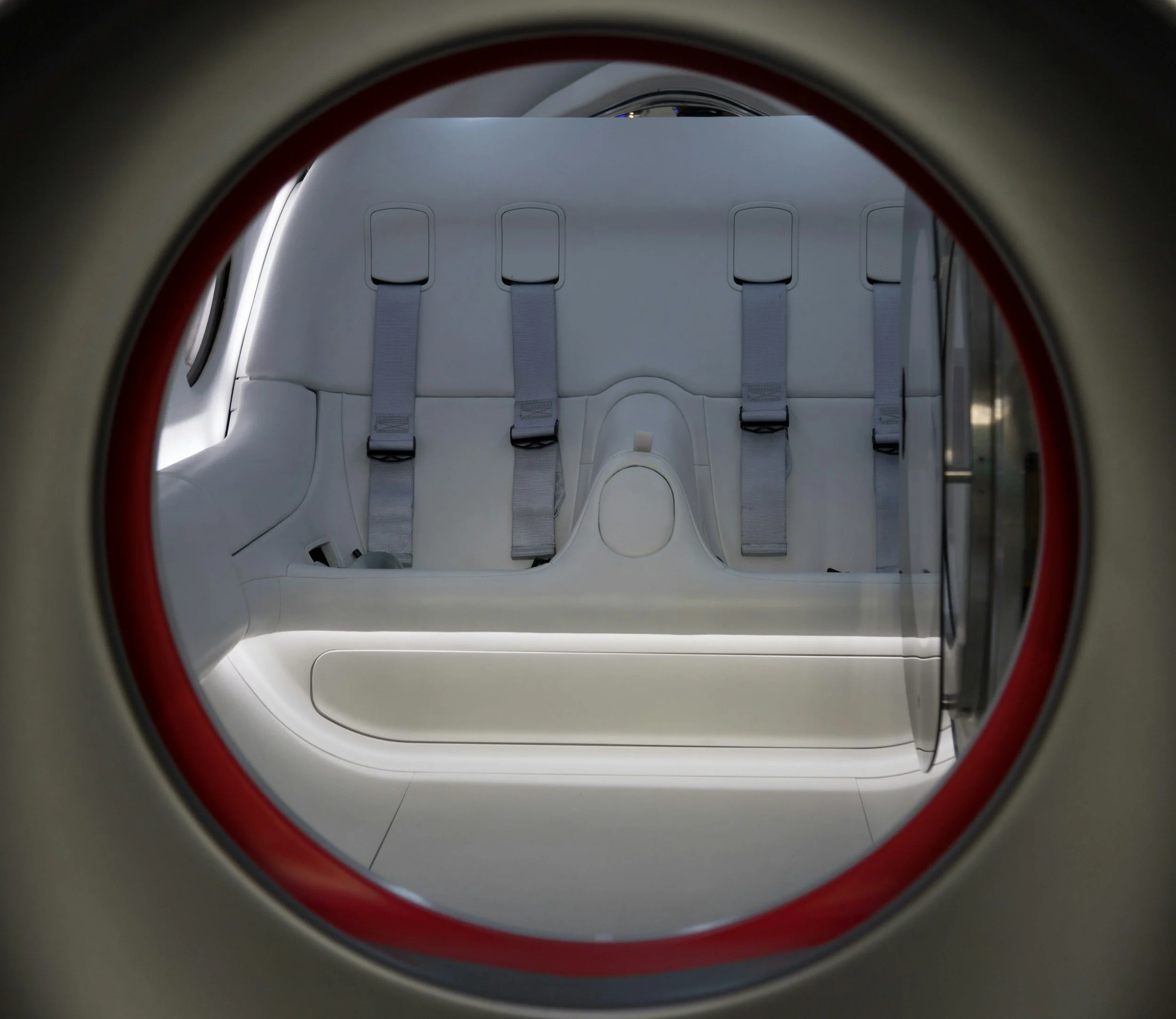
Most sessions take place in a clear, cylindrical chamber where you lie down while trained staff monitor you through a window and via intercom. The chamber gradually pressurizes to roughly two to three times normal atmospheric pressure, similar to descending 33 to 66 feet underwater. You'll feel a fullness in your ears comparable to being on an airplane, and staff will walk you through equalization techniques like swallowing or yawning.
Once at full pressure, you breathe normally while pure oxygen circulates through the chamber. A typical session lasts 90 minutes to two hours, and you're free to nap, listen to music through provided headphones, or simply rest. Many facilities pipe in a television or movie to make the time pass faster.
Treatment plans usually call for daily sessions, five days a week, for a total of 20 to 40 treatments depending on the wound type and how it responds. Bone infections and radiation injuries often need the higher end of that range, while some diabetic ulcers respond within 20 to 30 sessions.
Managing Side Effects
Ear pressure and temporary sinus discomfort are the most common complaints, and staff are trained to slow the pressurization if you're having trouble equalizing. Some people notice mild fatigue after sessions, particularly in the first week or two of treatment, though this usually fades as your body adjusts.
Less common but worth knowing about are temporary vision changes, which can occur after multiple weeks of treatment and typically resolve within a few months of finishing therapy. Oxygen toxicity is rare at the pressures used for wound care but is one of the reasons staff monitor you closely throughout every session.
Finding the Right Facility
Not every hyperbaric chamber operates the same way, and outcomes depend heavily on staff experience and how closely they track wound progress between sessions. When searching for Best HBO therapy near me, look for a facility accredited by the Undersea and Hyperbaric Medical Society, since accreditation signals that the center meets specific safety and staffing standards. A center that also offers coordinated wound care, including debridement and nutrition counseling, tends to produce better results than a chamber operating in isolation.
Ask how the facility measures progress. Regular wound measurements, photographs, and TCOM re-testing every few weeks give you a concrete sense of whether the treatment is working rather than relying on guesswork.
Tracking Progress and Knowing When to Stop
Your care team should reassess the wound every one to two weeks, checking size, depth, and tissue quality. If a wound hasn't shown at least 30% reduction after the first 12 sessions, most protocols call for reevaluating whether HBO therapy is the right approach at all.
Treatment typically ends once the wound has closed or reached a plateau where additional sessions stop producing measurable improvement. Some patients need a short maintenance course later if a wound reopens, particularly with diabetic ulcers on weight-bearing areas of the foot.
What to Bring to Each Session
Wear comfortable, all-cotton clothing since synthetic fabrics and certain lotions aren't allowed inside the chamber due to fire safety rules. Skip perfume, hairspray, and any petroleum-based products on the day of treatment. Bringing a book, though reading can be tricky through the plastic viewing window, or simply planning to nap will help the time pass comfortably.
Wound care with HBO therapy is a commitment measured in weeks, not days, but understanding the rhythm of evaluation, treatment, and reassessment makes it far easier to stay consistent. Consistency, more than any single session, is what determines whether a stubborn wound finally closes.
