
Understanding the ingredients in a herbal wellness formula can help you make informed choices about your daily routine. However, knowing what each herb contributes and why certain botanicals are combined can be challenging, especially when a formula contains several ingredients with different traditional uses.
FlorEssence offers a distinctive approach through its carefully combined eight-herb formulation. Rather than relying on a single botanical, it brings together herbs with individual characteristics and histories of traditional use. Learning about each ingredient can help you better understand the formula and its preparation.
Explore Burdock root benefits, its natural properties, and its role in the FlorEssence eight-herb blend.
What Is Burdock Root and Why Is It Used in Herbal Practices?
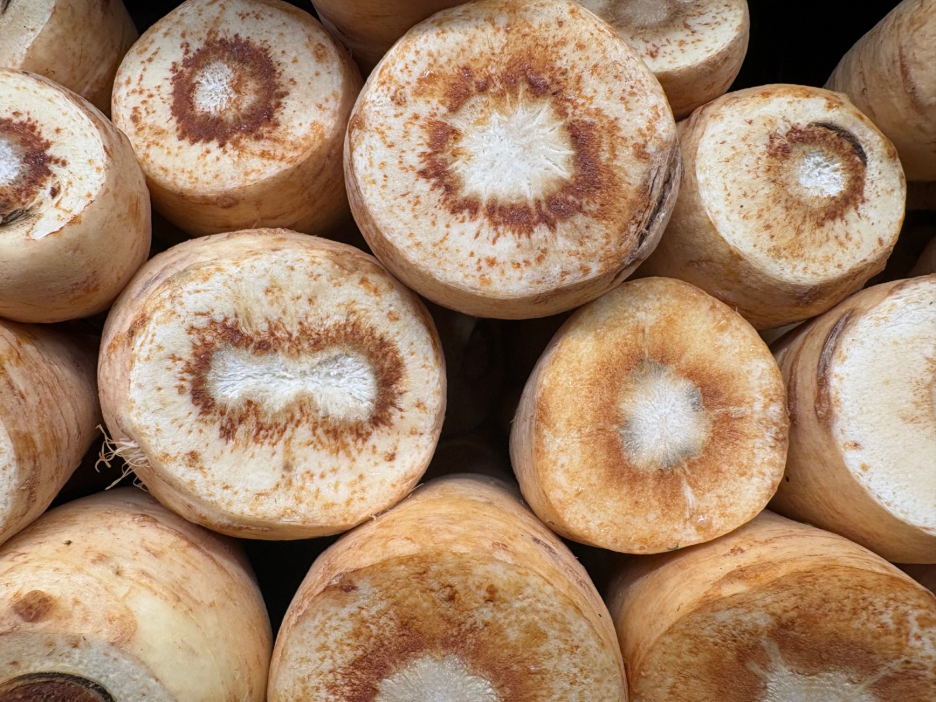
Burdock root comes from the Burdock plant (Arctium lappa), which grows in parts of Europe and Asia and is now found in other regions. Its long root has been used as food and in traditional herbal preparations for centuries.
In traditional herbal practices, Burdock root has been associated with cleansing and supporting general well-being. Understanding its traditional uses and potential Burdock root benefits also helps explain why it remains an ingredient in multi-herb formulas such as FlorEssence. It has been used in preparations intended to support skin health and other aspects of physical wellness.
The root comprises natural plant chemicals such as phenolic acids, lignans, and other antioxidants. The root also consists of inulin, which is a type of dietary fiber in some plants. Such components determine its botanical and nutritional properties.
While traditional use gives an idea as to why this herb is valued by people, it does not mean that the Burdock root can be used to cure diseases and detoxify the body.
What Are the Potential Burdock Root Benefits?
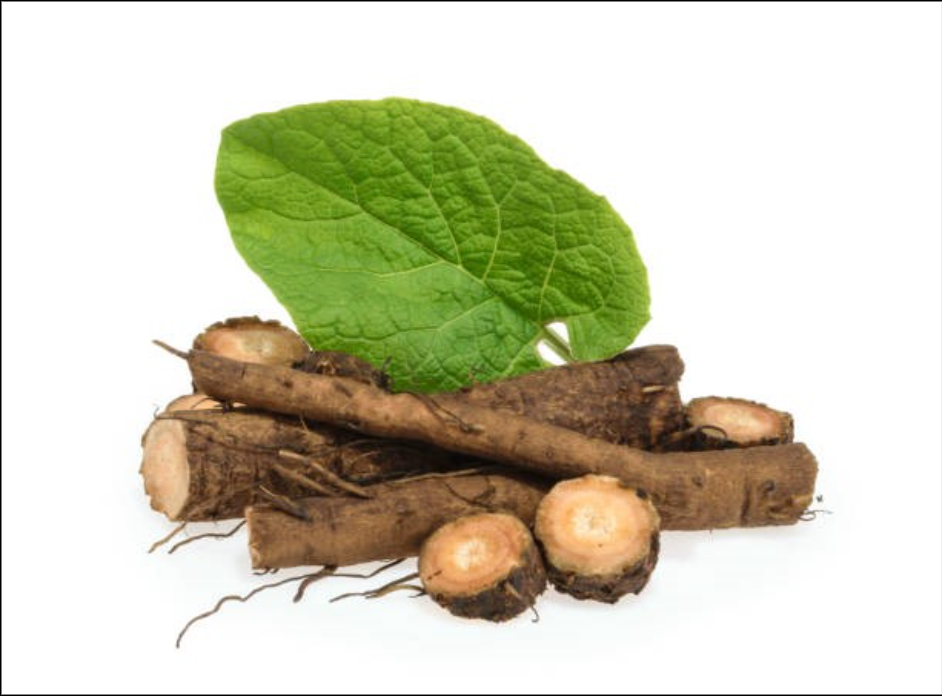
Burdock root is valued for its natural plant compounds and long history of use in traditional herbal practices. Research has explored its antioxidant properties and possible roles in digestive health, blood sugar regulation, and skin wellness.
However, much of the available research comes from laboratory and animal studies. More human studies are needed to confirm whether these properties provide specific health benefits.
1. Contains Naturally Occurring Antioxidants
Burdock root contains plant compounds such as quercetin, luteolin, and phenolic acids. These compounds have antioxidant properties that have attracted scientific interest.
Antioxidants help protect cells against oxidative stress caused by free radicals. Although Burdock root has an interesting antioxidant profile, research has yet to establish whether drinking Burdock tea provides measurable antioxidant protection in humans.
2. Supports Interest in Digestive Wellness
Burdock root contains inulin, a type of dietary fiber also found in foods such as onions, garlic, and chicory root. Dietary fiber supports digestive health and helps promote regular bowel movements.
However, prepared Burdock tea may contain less inulin than the whole root. Therefore, drinking the tea should not be assumed to provide the same fiber-related benefits as consuming Burdock root itself.
3. Has Been Studied for Blood Sugar Regulation
Another area of research involves Burdock root and blood sugar levels. Laboratory and animal studies suggest that certain compounds in Burdock root may influence glucose tolerance and insulin sensitivity.
However, these findings do not establish that Burdock root lowers blood sugar in people. More human research is needed to confirm any such benefit. Burdock root should not replace prescribed diabetes medication or medical guidance.
4. Has a History of Traditional Use for Skin Wellness
Burdock root has a history of use in traditional herbal preparations associated with skin health. Its antioxidant and potentially anti-inflammatory properties have also attracted scientific interest.
Some early research suggests that compounds in Burdock may influence inflammatory processes. However, there is not enough clinical evidence to establish that consuming Burdock root tea treats acne, eczema, or other skin conditions.
Why Is Burdock Root Included in the 8-Herb FlorEssence Formula?
Burdock root is one of eight botanicals that give FlorEssence its distinctive identity. The formula also includes sheep sorrel, slippery elm bark, watercress, blessed thistle, red clover blossom, rhubarb root, and kelp.
The purpose of combining these ingredients is central to the traditional philosophy behind FlorEssence. Rather than relying on Burdock root alone, the formula brings together herbs with different characteristics and histories of use.
This approach is commonly described as herbal synergy. It reflects the traditional belief that combining selected botanicals creates a more comprehensive herbal preparation than using individual ingredients separately.
However, traditional synergy should not be confused with clinically proven combined effects. Research on Burdock root alone cannot establish how the complete eight-herb formula affects the body. The specific benefits of FlorEssence also require reliable clinical research.
Its distinctive value lies in its particular botanical combination, traditional philosophy, and preparation process.
How Does Burdock Root Fit Into the FlorEssence Routine?
FlorEssence is not an ordinary quick-steep tea. Its dry blend requires a more involved preparation process that allows the herbs to steep for several hours. Following the manufacturer's brewing instructions is an important part of using the product as intended.
This preparation process also requires some planning. You need to allow sufficient time for brewing and use suitable containers for storing the prepared tea according to the product directions.
FlorEssence is designed around consistent use as part of a traditional wellness routine rather than occasional consumption for a specific discomfort. Its approach encourages greater attention to physical well-being and daily self-care.
Burdock root contributes to the identity of this formula through its traditional history and botanical characteristics. Nevertheless, neither Burdock root nor the complete FlorEssence blend should be considered a proven treatment for disease, a method of removing unspecified toxins, or a substitute for the body's natural waste-processing systems.
What Should You Know Before Using Burdock Root?
Although Burdock root is commonly consumed as food, its safety as a concentrated herbal product is less established. It may cause allergic reactions, particularly in people sensitive to plants in the daisy family. There are also concerns about its use during pregnancy because of possible effects on uterine activity.
If you take medication, have an existing health condition, or are considering an herbal product alongside medical treatment, consult a qualified healthcare professional first. People managing blood sugar levels should be particularly careful not to replace prescribed treatment with Burdock or other herbal preparations.
Understanding Burdock Root's Place in FlorEssence
Burdock root brings a long history of traditional herbal use and naturally occurring plant compounds to the eight-herb FlorEssence formula. Its antioxidant content, dietary fiber, and potential biological properties explain why it continues to attract attention in nutritional and herbal research.
More importantly, its role in FlorEssence reflects the traditional philosophy of combining selected botanicals into one carefully prepared formula. Rather than viewing Burdock root as a standalone remedy, you can understand it as one component of a broader herbal preparation. This combination, along with the commitment to correct preparation and consistent use, defines the distinctive approach of FlorEssence Tea.
