
13 Common Toxins in Your Home and How to Avoid Them
"Every bite, every breath, and every touch is an opportunity to support or sabotage your health."
—Dr. Joseph Mercola
Did you know that common household items like dryer sheets, non-stick pans, and even water filters might be exposing you to harmful chemicals? The problem is more widespread than you think: studies show that toxins like PFAS, phthalates, and VOCs are present in everyday items, contributing to everything from hormone disruption to respiratory issues. But don’t worry—small changes can make a big impact.
In this article, I’ll highlight 13 common toxins in your home and share practical solutions to swap them out for safer alternatives.

1. Water Contaminants
Water is essential for life, but the safety of what flows from our taps often goes unquestioned. Tap water can contain a range of harmful substances, including chlorine, lead, arsenic, nitrates, and even pharmaceutical residues. While most municipal water systems meet federal safety standards, "safe" doesn’t always mean risk-free—trace contaminants can accumulate in the body over time, contributing to chronic health issues like kidney damage, developmental delays, and hormone disruption. Chlorine, used to disinfect water, can react with organic materials to form harmful byproducts while aging infrastructure often leaches lead into the water supply.
The Alarming Reality: A report by the Environmental Working Group (EWG) revealed that over 200 million Americans are exposed to drinking water containing contaminants exceeding health guidelines.
What to Do About It:
Invest in filtration: Use a high-quality water filtration system, such as reverse osmosis or activated carbon filters, to remove harmful contaminants from your drinking and cooking water. We use the Waterdrop RO Water filter. Learn more about how to choose a filter here.
Test your water: The easiest way to get an idea of the quality of your water is to use EWG’s Tap Water Database.
Cook smarter: Use filtered water not only for drinking but also for boiling, steaming, and washing produce.
Replace old plumbing: If your home has lead pipes or fixtures, consider replacing them to eliminate this source of contamination.
2. Plastic Food Storage Containers
Plastic food storage containers are ubiquitous in kitchens, but they often contain chemicals like bisphenol A (BPA) and phthalates, which are known endocrine disruptors. These substances can interfere with hormonal functions, potentially leading to reproductive issues, developmental problems, and an increased risk of certain cancers. The risk is heightened when plastic containers are heated, as this can cause these chemicals to leach into your food or drinks. Even products labeled "BPA-free" may contain similar harmful alternatives, such as bisphenol S (BPS).
The Alarming Reality: A 2019 study published in Environmental Health Perspectives found that over 90% of Americans have detectable levels of BPA in their urine, indicating widespread exposure. Frequent use of plastic kitchenware may be one of the primary sources.
What to Do About It:
Switch to safer materials: Choose glass storage containers with lids (lifetime guarantee) for everything from leftovers to lunches and stay-in-the-kitchen ones like these.
Use reusable silicone, like Stasher bags, instead of plastic bags.
I use mason jars for my protein shakes.
Avoid heating plastics: Do not microwave or store hot foods in plastic containers, even if they are labeled as microwave-safe.
3. Non-Stick Cookware
Non-stick cookware, particularly pans coated with polytetrafluoroethylene (PTFE), also known as Teflon, releases toxic fumes when overheated (above 400°F). These fumes can cause flu-like symptoms in humans (called “polymer fume fever”) and are deadly to household pets like birds. Even more concerning, non-stick coatings often contain per- and polyfluoroalkyl substances (PFAS), sometimes referred to as “forever chemicals,” which persist in the environment and accumulate in human tissues. PFAS exposure has been linked to kidney disease, liver damage, immune suppression, and some cancers.
The Alarming Reality: According to a 2022 report from the Environmental Working Group, PFAS chemicals have been detected in the blood of 97% of Americans. These substances are not only found in cookware but also food packaging and water supplies.
What to Do About It: Consider switching to cookware made of safer materials like cast iron, stainless steel, or ceramic. If you must use non-stick pans, keep the heat low and use the exhaust. Always replace non-stick cookware at the first signs of wear, as damaged coatings are more likely to leach chemicals into your food.
My two favorite pans are the Always Pan 2.0 and the Caraway Pan. Check out this comparison for more.
Use a cast iron skillet or cast iron Dutch oven.
We also use a silicone cake pan (which we tend to put in our air fryer for less mess) and silicone baking cups (which we use for school lunches).
4. Cleaning Products
Conventional cleaning products, including sprays, disinfectants, and detergents, often contain a cocktail of harmful chemicals like volatile organic compounds (VOCs), ammonia, bleach, and artificial fragrances. VOCs are especially concerning as they evaporate into the air and can cause respiratory irritation, headaches, and even long-term organ damage with prolonged exposure. Many household cleaners are also labeled “antibacterial,” which can contribute to antibiotic resistance. Cleaning solutions can also contain ammonia, “PERC,” and sodium hydroxide. It's been shown that using these cleaning supplies even once a week has the same impact on the lungs as smoking 20 cigarettes a day! They kill germs but they release toxins…what a trade-off. It may go without saying but avoid bleach and ammonia too.
The Alarming Reality: The U.S. Environmental Protection Agency (EPA) has identified that the concentration of VOCs can be up to 10 times higher indoors than outdoors, largely due to the use of VOC-laden cleaning products. This can be especially harmful to children and individuals with asthma or allergies.
What to Do About It: Switch to natural or homemade cleaning solutions, such as mixtures of vinegar, baking soda, and essential oils. Look for products labeled “non-toxic” or “fragrance-free.” Increase ventilation while cleaning by opening windows or using exhaust fans to reduce exposure to airborne chemicals. Consider investing in an air purifier for extra protection.
Hand soaps: Branch Basics gets the nod as our favorite which we’ve been using for years and can also be used for hand soap, window cleaner, and more. Other good options are Everyone hand soap, ATTITUDE foaming hand soap, and Sally B’s luxury foaming hand soap.
Dish soap and dishwasher soap. For dish soap, I recommend 9 Elements dish soap, Ecover dish soap, and Ecos Dishmate dish soap. For dishwasher detergent, I recommend Seventh Generation detergent packs, Better Life dishwasher gel, and Branch Basic’s dishwasher tablets.
Cleaning sprays: Branch Basics comes in as the best choice while ATTITUDE kitchen all-purpose cleaner is another good option.
5. Air Fresheners and Scented Candles
That sweet-smelling air freshener or cozy candle might be doing more harm than good. Many of these products release phthalates, VOCs, and other chemicals into the air, creating indoor air pollution. Some scented candles are made with paraffin wax, which, when burned, emits harmful byproducts like benzene and toluene—both known carcinogens. Artificial fragrances can also cause headaches, respiratory irritation, and hormonal disruption.
The Alarming Reality: A study published in Environmental Science & Technology found that scented products like air fresheners emitted over 100 different VOCs, many of which are classified as toxic or hazardous under U.S. federal laws. The EPA has also warned that long-term exposure to benzene can increase the risk of leukemia.
What to Do About It: Opt for natural alternatives:
Essential Oil Diffuser: Aromatru (expensive but convenient) and Asakuki (affordable and made of BPA-free materials) are two food options.
Essential Oils: Surprisingly some essential oils are toxic. Look for oils in dark amber glass bottles that are certified USDA organic from reputable companies. I recommend Plant Therapy, PURA D'OR, or Pranarom.
Sprays: Febreze is toxic. Instead, use Grow Fragarance, Aura Caci, or Caldrea.
Candles: When choosing candles, avoid paraffin, soy, lead wicks, synthetic dyes, and fragrances containing harmful chemicals, and instead opt for beeswax candles, which burn cleaner, purify the air with negative ions, and offer a healthier alternative—especially when scented with essential oils. Good picks are Fontana Candle Co. and Solstice Naturals.
Odor Eliminators: Mosu Bags can pull chemicals, smells, allergens, and even moisture out of the air and absorb them into the bag. They are 100% scent-free and chemical-free and can cover an area of about 300 square feet.
6. Personal Care Products
Your shampoo, lotion, or favorite cosmetic might be harboring hidden toxins. Many personal care products contain harmful chemicals like parabens, phthalates, synthetic fragrances, and formaldehyde-releasing preservatives. These chemicals are known to disrupt hormones, irritate skin, and increase the risk of long-term health issues like cancer. For example, parabens mimic estrogen in the body and have been linked to breast cancer, while phthalates are associated with reproductive and developmental issues.
The Alarming Reality: The Environmental Working Group (EWG) reports that women use an average of 12 personal care products daily, exposing them to 168 unique chemicals. Many of these chemicals lack thorough safety testing and can build up in the body over time.
What to Do About It: Read ingredient labels and avoid products with long lists of synthetic additives. Look for certifications like “EWG Verified” or “USDA Organic.” Opt for natural, fragrance-free items and consider simplifying your routine by using multipurpose products like coconut oil or shea butter. Check out these articles to find more specific recommendations:
7. Microwave Food Packaging
Convenience often comes with a hidden cost, and microwaveable food packaging is no exception. Many containers, especially those made from plastic or lined cardboard, contain harmful chemicals like per- and polyfluoroalkyl substances (PFAS) and phthalates. These chemicals leach into food when exposed to high temperatures, particularly when heating greasy or fatty foods. PFAS, also known as “forever chemicals,” persist in the environment and the human body, accumulating over time and contributing to serious health risks such as hormone disruption, immune suppression, and even cancer.
The Alarming Reality: A 2020 study published in Environmental Science & Technology Letters found that food packaging is a major source of human PFAS exposure. Researchers detected these chemicals in nearly all microwaveable containers tested, raising concerns about the long-term health impacts of their use. And, according to the NIH, nearly 97% of Americans have PFAS detectable in their blood.
What to Do About It:
Repackage meals before heating: Transfer food from microwaveable packaging to glass or ceramic containers to minimize exposure.
Avoid plastic altogether: Opt for fresh or frozen foods packaged in safer materials like paper or cardboard without plastic liners.
Choose PFAS-free alternatives: Look for brands that explicitly label their products as PFAS-free or use plant-based packaging.
Go old-school: Whenever possible, reheat meals using stovetop or oven-safe cookware instead of microwaving.
8. Flame Retardants
Flame retardants are chemicals used in furniture, mattresses, carpets, and electronics to reduce flammability, however, many of these chemicals, such as polybrominated diphenyl ethers (PBDEs), have been linked to hormone disruption, impaired brain development, and cancer. These toxins often escape into household dust, where they are inhaled or ingested, particularly by children who play close to the ground.
The Alarming Reality: A Duke University-led study found that over 90% of adults and children tested had detectable levels of two flame retardant chemicals, TDCIPP and TPHP, in their urine. Incredibly, the average levels of TDCIPP in adults were 17 times higher in 2015 compared to 2002, highlighting a sharp increase in exposure to these toxic organophosphates. Children, because of their smaller size and hand-to-mouth behavior, can have PBDE levels three to five times higher than adults.
What to Do About It: When purchasing items for the home, look for labels stating it is free from flame retardants. Choose mattresses and carpets made from natural materials like wool, which is naturally fire-resistant. Regularly vacuum with a HEPA filter and damp dust surfaces to reduce exposure to flame-retardant particles in household dust. Here are the products that I recommend:
9. Coffee
Coffee is one of the most chemically treated crops in the world, with non-organic farms relying heavily on pesticides, fungicides, and herbicides to meet global demand. Additionally, mold exposure during processing can lead to mycotoxin contamination, while high-temperature roasting and certain brewing methods may create or release toxic byproducts. These contaminants, even in small amounts, can accumulate over time, impacting your long-term health. While coffee itself has well-documented benefits, such as providing antioxidants and enhancing cognitive function, drinking low-quality or poorly prepared coffee may introduce more risks than rewards.
The Alarming Reality:
Non-organic coffee poses several health risks due to harmful contaminants. Pesticides like chlorpyrifos, banned in the U.S. but used abroad, are linked to developmental issues, fertility problems, cancer, and respiratory conditions, with studies showing pesticide residues in over 90% of conventionally grown coffee. Improper bean storage can lead to mycotoxins, such as Ochratoxin A, which impair immunity and brain function. Light-roasted coffee contains higher levels of acrylamide, a potential carcinogen, while single-serve pods may release furan, which is linked to liver damage and plastic-derived endocrine disruptors like BPA. Additionally, high-temperature roasting produces polycyclic aromatic hydrocarbons (PAHs), classified as probable carcinogens. Learn more about these issues and more.
What to Do About It:
Choose Organic Coffee: Organic certifications ensure fewer pesticides and mycotoxins. Lifeboost Coffee, Four Sigmatic Coffee, and Wellsley Organic Sumatra Estate are the best. Check out this article to learn why these are great: Elevate Your Coffee Game: The Best Organic Coffee Brands
Opt for Medium or Dark Roasts: These reduce mycotoxin levels while retaining antioxidants.
Brew with Safe Materials: Avoid plastic coffee makers and single-serve pods. Choose safer ones like these:
Pour over: Bean Envy pour over coffee maker
Electric kettle for pour over: Mueller electric gooseneck kettle
Percolator: Presto percolator
French press: Bayka French press
Cold brew: Cafe Du Chateau cold brew coffee maker
Espresso machine: Breville Barista Express Espresso Machine
Coffee maker:
OXO brew coffee maker (8-cup) or OXO Brew Coffee Maker (9-cup) The only con is that the basket is plastic.
Bunn Coffee Brewer (12-cup) This is definitely the ugly duckling of the group but it’s the only coffee maker that’s 100% plastic-free. Also, the glass carafe and stainless steel basket are sold separately.
Use Filtered Water: Eliminate toxins like heavy metals and pharmaceuticals by brewing with reverse-osmosis filtered water. See above.
Store Coffee Correctly: Use airtight, light-proof containers to prevent mold growth and toxin development.
The filter: If you use a filter, use a natural, unbleached one that avoids harmful chemicals like dioxins and chlorine in bleached filters, ensuring a cleaner, toxin-free brew. Learn if you should use one here.
10. Lead-Based Paint
Lead-based paint, banned in the U.S. in 1978, remains a serious health hazard in older homes. When lead paint chips or deteriorates into dust, it can be inhaled or ingested, causing lead poisoning. Lead is a potent neurotoxin that affects brain development, especially in children, leading to learning disabilities, behavioral problems, and reduced IQ.
The Alarming Reality: According to the CDC, about 24 million housing units in the U.S. have significant lead-based paint hazards. Even small amounts of lead exposure can cause irreversible damage.
What to Do About It: If your home was built before 1978, hire a professional to test for lead paint. Never attempt to remove it yourself, as improper removal can release toxic dust. Seal or cover lead paint with new layers of paint or drywall until professional remediation is possible.
11. Mold and Mildew
Mold and mildew thrive in damp, poorly ventilated areas such as bathrooms, basements, and kitchens. Mold releases spores into the air that can cause respiratory problems, allergies, and even severe infections in people with weakened immune systems. Prolonged exposure to certain types of mold, like black mold (Stachybotrys), can lead to chronic sinus infections, fatigue, and neurological symptoms.
The Alarming Reality: The World Health Organization estimates that 10-50% of indoor environments worldwide are affected by dampness and mold. A study from the University of Cincinnati found that infants living in moldy homes are three times more likely to develop asthma by age 7, compared to those without significant mold exposure.
What to Do About It: Fix leaks promptly and maintain proper ventilation in humid areas. Use a dehumidifier to keep indoor humidity levels below 50%. Clean visible mold with natural solutions like vinegar, and consider professional remediation for extensive infestations.
12. Dust and Allergens
Household dust isn’t just a nuisance—it’s a cocktail of pollutants. Dust can contain pesticides, heavy metals like lead and mercury, flame retardants, and allergens such as dust mites and pet dander. When inhaled, these particles can irritate the respiratory system and exacerbate conditions like asthma and allergies.
The Alarming Reality: A study published in Environmental Science & Technology found that U.S. household dust contains over 45 different toxic chemicals. Regular exposure can increase your body’s toxic burden, especially in children, whose developing systems are more vulnerable.
What to Do About It:
Vacuum regularly with a HEPA filter to trap fine particles and “bran the broom” altogether We use a self-emptying Shark Robo Vac with a HEPA filter.
Use microfiber cloths for dusting..
Consider using air purifiers in frequently used rooms. We use the Alen FIT50 Air Purifier and the Alen BreatheSmart 75i.
13. Dryer Sheets
Dryer sheets might make your clothes feel softer and smell fresh, but they come with hidden health risks. These sheets, often made of woven polyester coated with heat-activated chemicals, work by reducing static and adding artificial softness. However, they contain ingredients like quaternary ammonium compounds (QACs or "Quats") that can exacerbate asthma, irritate skin, and disrupt hormones. Additionally, synthetic fragrances in dryer sheets frequently hide harmful chemicals like phthalates, which are linked to endocrine disruption and respiratory problems.
The Alarming Reality: Research from the University of Washington revealed that dryer sheets and fabric softeners emit over 25 volatile organic compounds (VOCs), including carcinogens like formaldehyde and acetone. These chemicals are released into the air through dryer vents, posing risks to both indoor and outdoor air quality.
What to Do About It:
Replace dryer sheets with unscented wool dryer balls to naturally reduce static.
For added fragrance, apply a few drops of essential oils like lavender or lemon to the wool dryer balls.
Use distilled white vinegar during the rinse cycle as a natural fabric softener alternative.
Avoid synthetic laundry products entirely and opt for fragrance-free or natural laundry solutions.
What I Do
I approach minimizing toxins in my home with the precautionary principle—making informed decisions to avoid unnecessary risks, even when science hasn’t yet caught up with definitive answers. This means taking small, manageable steps rather than trying to overhaul everything at once. For instance, we started with switching to a reverse osmosis water filter to ensure our drinking and cooking water is free of contaminants like lead and chlorine. From there, we gradually replaced plastic food storage containers with glass or silicone options, avoiding harmful leaching chemicals when heating or freezing food.
In the kitchen, we’ve phased out non-stick cookware in favor of cast iron and ceramic pans and switched to natural cleaning solutions like Branch Basics and vinegar to clean our home. To improve indoor air quality, I swapped out air fresheners and candles for essential oil diffusers and our HEPA air filters are running whenever the windows are closed. We also use a Shark which has a HEPA filter and runs daily to minimize allergens, dust, and toxins like flame retardants in household particles. Over time, I’ve also transitioned to non-toxic personal care and laundry products to make sure that we avoid harmful ingredients like phthalates, parabens, and VOCs.
Takeaway
Living a healthier, toxin-free life doesn’t require drastic measures—it starts with making informed choices and swapping out harmful products for safer alternatives. Whether it’s filtering your water, choosing natural cleaning products, or switching to non-toxic cookware, small changes can have a big impact over time. By paying attention to the everyday items in your home and making intentional upgrades, you can reduce your exposure to harmful chemicals and create a safer, more nurturing environment for you and your loved ones. Remember, it’s not about perfection—it’s about progress toward a healthier life.
Learn More
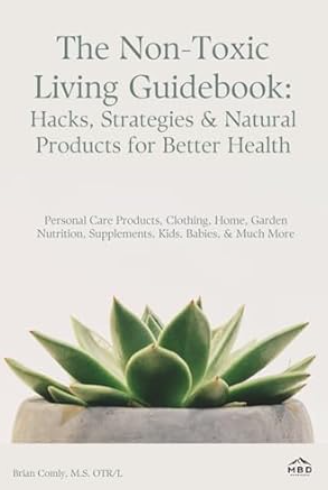
To learn more about toxins, check out The Non-Toxic Living Guidebook: Hacks, Strategies, & Natural Products for Better Health. I wrote this comprehensive guide as a way to break down the complexity of toxins into a simple, easy-to-read format with practical tips and clickable links to the least toxic products I could find. Get your copy today and use the code MBD20 at checkout for a 20% discount. You can also get a paperback or hard copy on Amazon.
