
Early Signs of Vision Changes to Watch For
Written by Lea Collins.
Our eyes rarely shift overnight. Small changes build quietly until they get in the way of reading, driving, or sleeping. The earlier you spot them, the faster you can protect long-term vision.
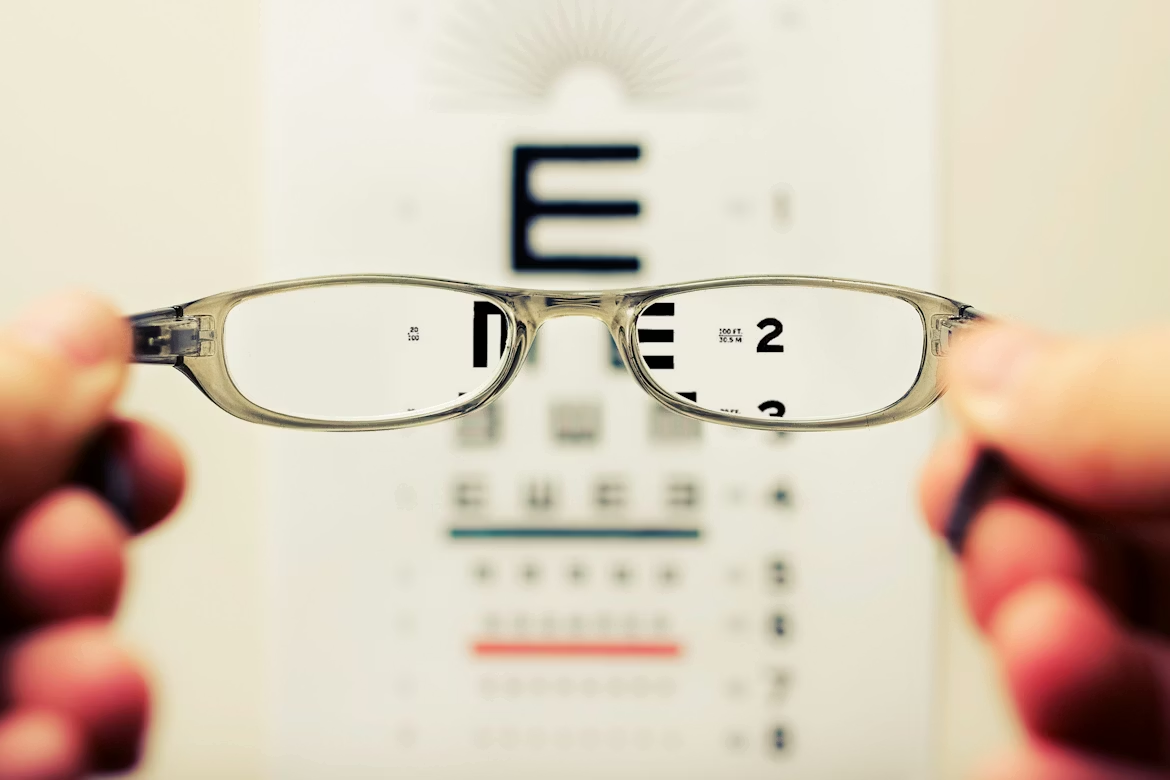
Blurry Or Fluctuating Vision
If words smear or your focus seems to “swim” through the day, pay attention. You can try simple habits like adjusting lighting, reducing glare, and choosing lenses that help you Block Blue Light to see if symptoms settle. If the blur lingers, schedule an eye exam to look for refractive shifts or underlying conditions.
Eye strain from screens can make these symptoms feel worse late in the day. Frequent blinking and the 20-20-20 rule can reduce dryness that contributes to fluctuating focus.
Headaches or eye fatigue alongside blur are signals not to ignore. Sudden changes, double vision, or vision loss need prompt medical attention. Tracking when symptoms appear can help your clinician pinpoint the cause faster.
Frequent Headaches Or Eye Strain
Screens pull our gaze in for hours, and that effort can tighten forehead and temple muscles. Eye doctors advise practical steps like adjusting screen brightness and room lighting, plus remembering that some contact lens wearers notice more dryness during long device use.
Many clinicians suggest the 20-20-20 rule - every 20 minutes, look 20 feet away for 20 seconds - and note that tinted blue light glasses have limited proof for strain relief.
Quick checks when screens pile up:
Nudge screens slightly below eye level to relax your gaze
Increase text size until reading feels easy
Blink on purpose, then use lubricating drops if needed
Keep a bottle of water nearby to avoid dehydration
Set a simple timer to enforce 20-20-20 breaks
Dry, Burning, Or Watery Eyes
Dry eye can masquerade as watering, burning, or a gritty sensation that worsens through the day. Research among heavy device-using students has linked long screen sessions with more frequent dry eye symptoms.
If your eyes feel tired by midafternoon, plan regular blink breaks and consider non-preserved lubricating drops.
Screen-related dryness often worsens in air-conditioned or heated rooms where humidity is low. Wearing contact lenses can intensify symptoms, so alternating with glasses during long workdays may help.
Check that your monitor sits slightly below eye level, which reduces surface exposure and evaporation. Stay hydrated, since fluid intake affects tear production. If irritation persists or affects vision, an eye care professional can assess for chronic dry eye or related conditions.
New Floaters, Flashes, Or A Shadow
Seeing occasional specks that drift across your vision is common. But a sudden burst of floaters, bright flashes, or a dark curtain at the edge of sight can signal a retinal problem that needs urgent care. Treat these warnings like eye emergencies and seek same-day assessment.
Age, severe nearsightedness, recent eye surgery, or trauma can raise the risk of retinal tears or detachment. Flashes often appear in low light or with eye movement since the vitreous is tugging on the retina.
A shadow or curtain suggests part of the retina may already be lifting away. Prompt treatment can preserve vision and may prevent permanent loss. Do not wait for symptoms to fade or schedule weeks out when these signs appear.
Night Vision Troubles And Light Sensitivity

Glare, halos, or difficulty driving after dusk are classic early clues that something is changing. Common causes range from uncorrected refraction to early lens changes, which can make lights look starry and increase sensitivity.
Evening screen habits can add to the problem by cueing alertness when your body is trying to wind down, so trimming late-night device time often helps.
Shifting Prescriptions And Systemic Clues
If your glasses or contacts feel “off” sooner than expected, track how fast your prescription moves. Studies have connected more daily screen time in children with higher odds of myopia, so families should keep an eye on total viewing hours.
Systemic health matters, too - diabetes can quietly damage the retina, and regular eye exams help catch problems early so treatment can protect sight.
Most adults benefit from a comprehensive baseline exam at age 40, even without symptoms, then an interval plan tailored to personal risk.
Not every symptom is urgent, but some are. Seek prompt care if you notice a rapid change in clarity, a new blind spot, straight lines that look wavy, or pain with redness. Swift treatment can make the difference between temporary trouble and lasting vision loss.
Simple routines can reduce daily strain. Keep workspaces evenly lit, use larger on-screen fonts, and tweak contrast until reading feels easy.
Build in regular outdoor time for kids, and keep bedtime screen use short so your eyes and brain can downshift.
Catching vision changes early is about noticing patterns. If headaches, blur, or dryness keep showing up, write down when they happen and what you were doing. Bring that log to your next eye exam - it gives your clinician a head start and helps you get back to seeing comfortably.
Related:
