
Hair Transplant Toronto: How to Prepare in the Weeks Before Surgery

Much of the attention around hair restoration goes to the surgery itself and the months of growth that follow, while the weeks leading up to it receive far less thought. Yet the preparation behind any hair transplant Toronto patients undergo shapes how smoothly the procedure day runs and how comfortably recovery begins. Most of this preparation is simple, though it works best when it starts early rather than in the last few days.
Starting with the Consultation and a Pre-Op Plan
Searching online for “hair transplant Toronto” is often where the process starts, but preparation itself begins with a consultation that confirms candidacy, maps the donor area, and sets a realistic graft plan. This visit is also where preparation instructions are first discussed, because the right steps depend on each person’s health history, medications, and lifestyle.
Most patients leave the consultation with written pre-op instructions covering the weeks before surgery. Reading them early leaves time to ask questions, adjust routines gradually, and avoid last-minute changes that can force a procedure to be rescheduled. At the Hair Transplant Centre Toronto, this pre-op guidance forms part of a physician-led process in which medical history is reviewed before any surgical date is confirmed.
Reviewing Medications and Supplements
Certain medications and supplements can increase bleeding during surgery, which is why a full list of everything taken regularly should be shared with the treating physician. Blood thinners, aspirin, anti-inflammatory pain relievers, fish oil, vitamin E, and some herbal supplements are common examples that may need to be paused for a period before the procedure.
No prescribed medication should be stopped without medical guidance, since some are essential for heart health or other conditions. The physician weighs the benefit of pausing a medication against its role in overall health and gives specific instructions for each case. Hair loss medications such as minoxidil or finasteride are also discussed at this stage, since the advice on whether to continue them before and after surgery varies from person to person.
Smoking, Alcohol, and Healing
Smoking narrows blood vessels and reduces oxygen delivery to the scalp, which can slow healing and may affect graft survival. Patients who smoke are generally advised to stop for a period before and after surgery, and some find the procedure a useful opportunity to cut back permanently.
Alcohol thins the blood and can increase swelling, so it is usually avoided in the days leading up to the procedure. These habits matter more than people expect, because the success of the procedure depends partly on how well the scalp heals once the grafts are in place.
Blood Work and General Health
Depending on age and medical history, blood work may be requested before surgery to confirm that healing and anesthesia are likely to proceed without complications. Conditions such as high blood pressure or diabetes do not necessarily rule out a procedure, though they need to be well managed and openly discussed beforehand.
Staying well hydrated, sleeping consistently, and eating balanced meals in the weeks before surgery all support the body’s ability to heal. Anyone who develops a cold, fever, or skin infection close to the procedure date should contact the clinic, since the procedure is generally postponed when a patient is unwell.
Planning Time Away from Work and Daily Routines
Most people return to desk-based work within a few days, while jobs involving heavy lifting, heat, or helmets usually require a longer break. Planning this time in advance prevents the pressure to return too early, which can easily disrupt recovery.
Exercise, swimming, and saunas are typically paused for several weeks after surgery, so it helps to book the procedure during a period without major athletic commitments. Social events, travel, and important photographs are also easier to manage when they do not fall within the first two weeks, since redness and scabbing are usually visible during that time.
Preparing the Scalp and Hair
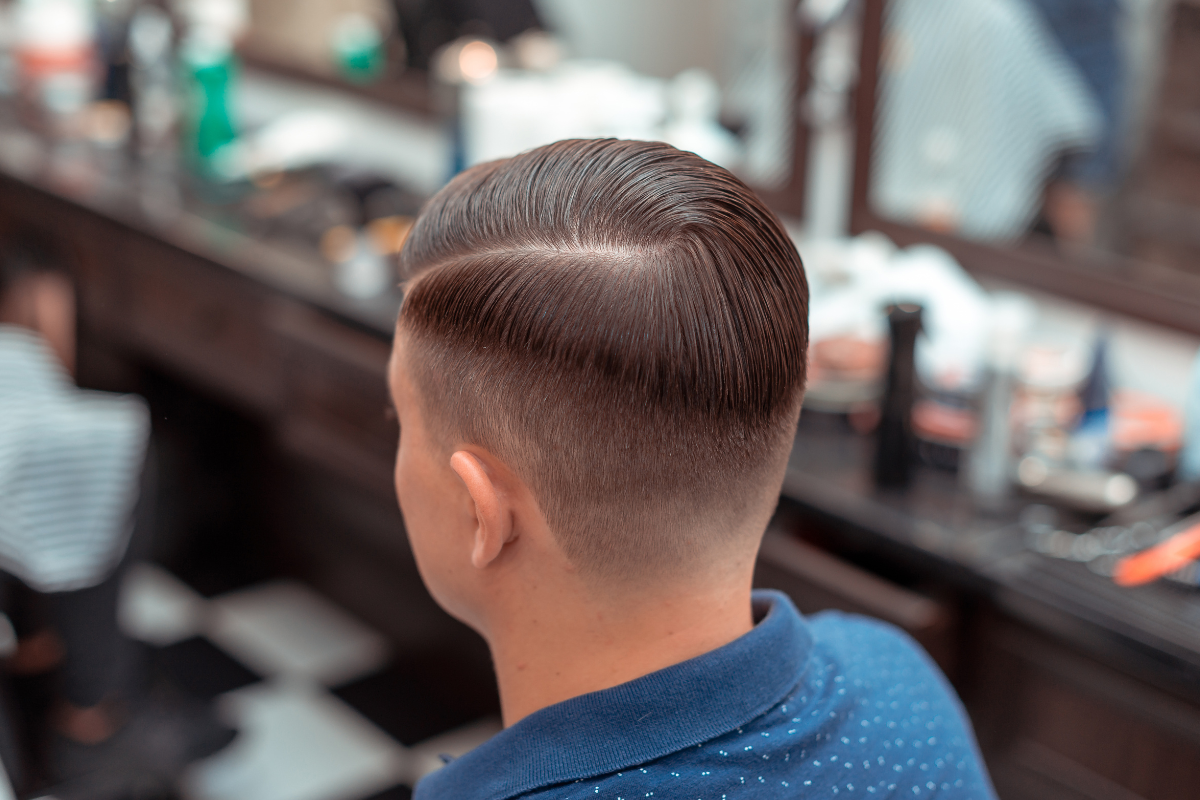
Haircuts before surgery are usually unnecessary unless the physician requests one, because the clinical team trims the donor area to the required length on the procedure day. Colouring, chemical treatments, and hair products are generally stopped in the days beforehand, which keeps the scalp clean and free of residue.
The scalp should be healthy on the day of the hair transplant Toronto patients have booked, without sunburn, irritation, or active dandruff flares. Patients with a scalp condition such as seborrheic dermatitis are often asked to manage it in the weeks before, since a calm scalp makes both the extraction and the placement stages more predictable for the physician.
Setting Realistic Expectations before Surgery
Mental preparation is an important part of the process, because the early weeks of recovery can look discouraging without context. Transplanted hairs usually shed within two to four weeks, new growth tends to appear around the third or fourth month, and the fuller result generally becomes visible closer to the one-year mark. Knowing this timeline in advance makes the shedding phase far easier to accept as a normal part of the process.
The weeks before any hair transplant Toronto patients schedule are also a good time to revisit the hairline design and graft plan agreed at the consultation. Any remaining questions about density, the shape of the temples, or how the result may change with ageing can be raised in a final pre-op conversation. This keeps expectations aligned with what the donor supply can realistically achieve. A clear, shared understanding of the goal is one of the most useful forms of preparation. It allows patients to judge progress against the plan rather than against day-to-day changes in the mirror.
Keeping a set of personal photographs taken in consistent lighting before surgery can help too. Comparing them with later pictures at the same angles often shows progress more clearly than memory alone, particularly during the slower middle months of growth.
Arranging Support for the First Few Days
A ride home after the hair transplant Toronto patients receive is essential, because medication given for comfort can make driving unsafe. Having someone available for the first evening is also helpful, particularly for preparing meals and handling small tasks while the patient rests with the head elevated.
Setting up the recovery space in advance makes the first nights easier. Extra pillows for elevated sleeping, loose shirts that button at the front, and the prescribed aftercare products placed within easy reach all reduce the chance of disturbing the grafts during the first week. Small preparations like these let the first days focus entirely on rest and on following the post-op instructions.
Preparing well for the hair transplant Toronto patients have chosen takes little more than early planning, open communication with the physician, and a few weeks of steady habits. When these steps are in place before surgery, the procedure day tends to run on schedule, and recovery begins from a stronger starting point.
