
Healthy Aging for Men: Protecting Mobility, Energy, and Vascular Health
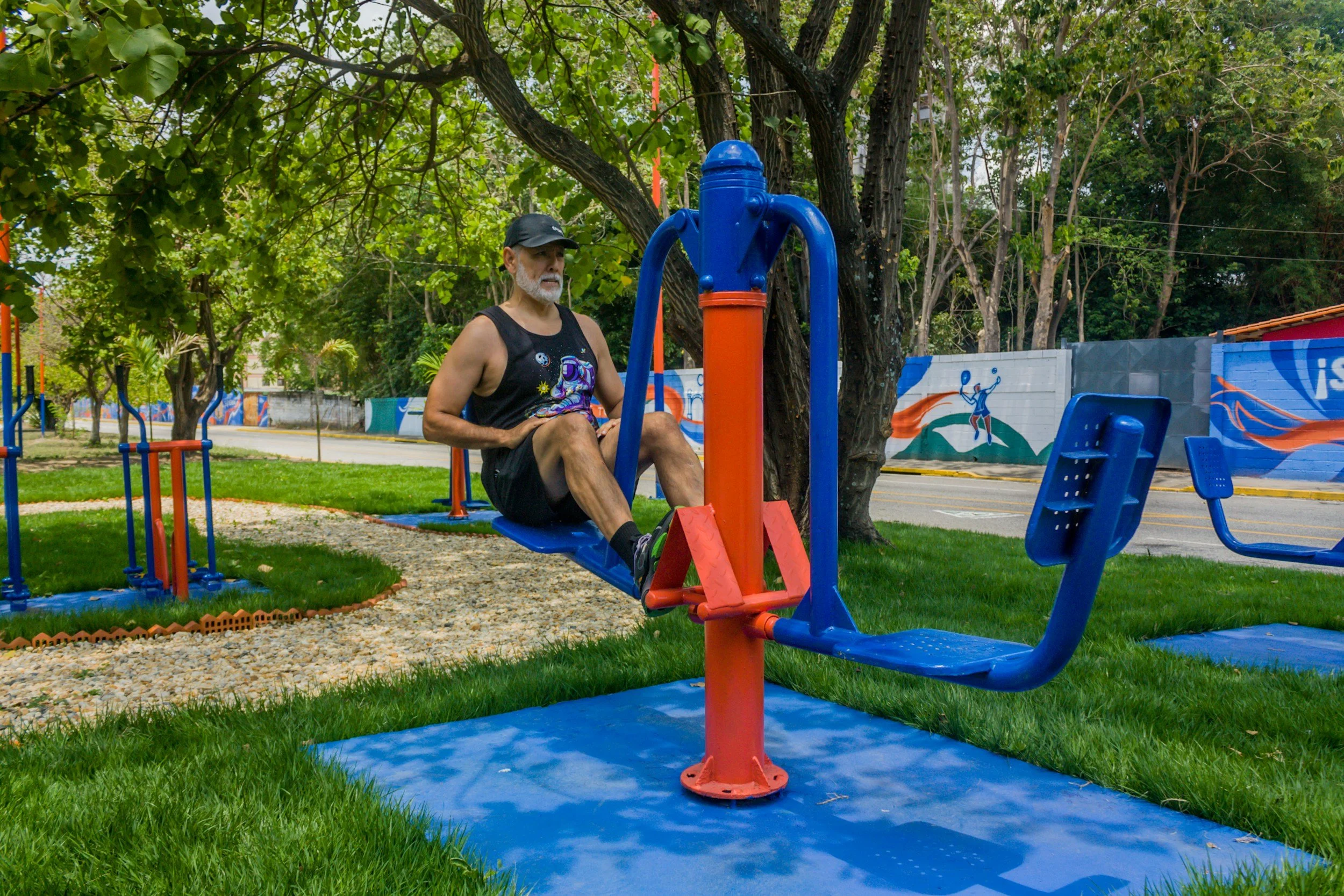
Getting older does not automatically mean becoming less active, less energetic, or less independent. In fact, healthy aging for men often comes down to something much more practical: paying attention to the systems that help you keep doing the things you enjoy.
Mobility, energy, muscle strength, cardiovascular fitness, and vascular health all play a role in how well the body handles everyday life. They also influence each other. When your legs feel heavy or uncomfortable, you may move less. When you move less, maintaining strength and endurance can become harder. Poor sleep can affect energy, while low energy can make regular exercise feel like another chore.
Texas Vein Experts' Stone Oak clinic says consultations include duplex ultrasound imaging to assess blood flow and identify venous reflux when appropriate. The clinic specializes in conditions including varicose veins, spider veins, and chronic venous insufficiency.
For men who live in the area, trusted care at a Stone Oak vein clinic can therefore be part of taking a more proactive approach to persistent vein-related concerns.
Mobility Is One of the Foundations of Healthy Aging
Mobility is easy to take for granted when everything is working normally. Walking up stairs, getting out of a chair, taking a long walk, playing with your children, traveling, or working around the house may not seem like exercise, but all of these activities depend on the ability to move comfortably.
As men age, maintaining mobility becomes increasingly important because it supports independence. Strong muscles, flexible joints, balance, and regular physical activity can all contribute to staying capable in everyday life.
This does not mean every workout needs to be intense. Walking, cycling, swimming, resistance training, stretching, and other activities can all have a place in a balanced routine. The most sustainable form of exercise is usually the one you can continue doing consistently.
Strength Training Becomes More Valuable With Age
Muscle mass naturally changes as people get older, which makes resistance exercise particularly useful for men who want to remain strong and physically capable.
Strength training can involve traditional weights, resistance bands, machines, bodyweight movements, or other forms of resistance. The goal is not necessarily to build a bodybuilding physique. For many men, the more useful objective is maintaining the strength needed for ordinary life.
Carrying groceries, lifting a suitcase, getting up from the floor, climbing stairs, or doing household repairs all become easier when the body has a reasonable level of strength.
Starting gradually is important, especially if you have not exercised regularly for some time. A sensible program can be adjusted around your current fitness level rather than trying to return immediately to the level you had decades ago.
Energy Is About More Than Motivation
Feeling tired occasionally is normal. Work, family responsibilities, travel, poor sleep, and stressful periods can all affect energy levels.
Persistent fatigue, however, deserves more attention.
Energy is influenced by many factors, including sleep quality, physical activity, nutrition, stress, medications, and underlying health conditions. Assuming that every change in energy is simply a normal part of getting older can sometimes cause people to overlook issues that could be evaluated and addressed.
A practical approach is to look at patterns. Are you sleeping well? Have your activity levels changed? Are you eating regular, balanced meals? Has your stress increased? Are you experiencing other symptoms alongside the fatigue?
If a significant or unexplained change continues, discussing it with a healthcare professional can help determine what may be contributing to it.
Vascular Health Deserves a Place in Men's Wellness
When people think about healthy aging, they often focus on muscles, joints, heart health, or weight. Vascular health is another important part of the picture.
The vascular system transports blood throughout the body, and healthy circulation supports tissues and organs. Problems involving the veins can particularly affect the legs.
Varicose veins, chronic venous insufficiency, and other venous conditions can sometimes be associated with symptoms such as aching, swelling, heaviness, cramping, itching, burning, or tired legs. Texas Vein Experts lists these among the symptoms that may accompany vein conditions.
A visible vein is not automatically a medical problem. Some varicose or spider veins are primarily cosmetic. However, persistent symptoms or noticeable changes in the legs can be worth discussing with a qualified healthcare professional.
Why Movement Matters for Venous Health
The relationship between movement and circulation is particularly relevant to the legs.
Walking and other forms of regular physical activity engage the muscles of the lower body. When the leg muscles contract, they help support the movement of blood through the venous system.
This does not mean exercise can prevent or resolve every vein condition. Genetics, age, previous injuries, prolonged sitting or standing, and other factors can influence venous health. Still, regular movement is an important part of an overall healthy lifestyle.
For men who spend long hours sitting at a desk, driving, or standing at work, breaking up long periods of inactivity can be a practical habit. A short walk or change of position may be easier to maintain than waiting for a single long workout at the end of the day.
Don't Ignore Persistent Leg Symptoms
Men are often good at ignoring discomfort. A sore leg may be blamed on a long day at work. Swelling may be attributed to sitting too long. Heavy legs may be considered a normal consequence of getting older.
Sometimes those explanations are correct. But persistent or recurring symptoms deserve attention rather than automatic dismissal.
If swelling, aching, heaviness, cramping, skin changes, or other leg symptoms continue, an evaluation can help determine whether there is an underlying issue.
Vascular Health and Staying Active Are Connected
One reason vascular health matters for healthy aging is that persistent leg discomfort can affect how much a person wants to move.
Imagine finishing work with aching or unusually heavy legs. Going for a walk may be the last thing you want to do. If that pattern repeats several times each week, activity can gradually decrease.
That does not mean a vein problem is the only possible explanation for reduced activity. Joint problems, muscle injuries, neurological conditions, weight changes, and many other factors can affect mobility.
The point is that recurring symptoms should be understood rather than simply accepted as an unavoidable part of aging.
Finding the cause can help determine what type of care, lifestyle adjustment, or treatment may be appropriate.
Sleep and Recovery Matter More Than Many Men Realize
Healthy aging is not simply about how hard you can train. Recovery is equally important.
Sleep supports physical and mental function, while adequate recovery gives the body time to adapt to exercise and everyday demands. Men who try to maintain the same training volume they had in their twenties without adjusting for recovery may eventually find themselves constantly tired or dealing with recurring aches.
A better approach is to pay attention to how your body responds.
A demanding workout may be appropriate on one day but not another. Rest days are not wasted days. They can be part of a sustainable fitness routine.
The same principle applies outside the gym. Consistently getting enough sleep, taking breaks during demanding periods, and managing stress can make it easier to maintain energy over the long term.
Nutrition Supports Mobility and Energy
Food plays a basic but important role in healthy aging.
A balanced diet provides the energy and nutrients the body needs to support muscle function, recovery, and general health. Protein is particularly relevant for men who are trying to maintain muscle as they age, while fruits, vegetables, whole grains, healthy fats, and adequate fluids contribute to an overall balanced eating pattern.
There is no single diet that works perfectly for every person.
Instead of chasing extreme diets, it can be more useful to develop eating habits that are realistic enough to maintain for years. A healthy lunch during a busy workday may be more valuable than following a restrictive plan for two weeks and abandoning it.
Don't Let Age Become an Excuse for Inactivity
There is a subtle difference between respecting the changes that come with age and assuming that every physical limitation is inevitable.
You may not run as fast at 55 as you did at 25. Recovery may take longer. Your training priorities may change. You may need to spend more time warming up or adjusting exercises around previous injuries.
None of that means you have to stop being active.
Healthy aging is often about adapting rather than giving up. The type of activity may change, but movement can remain part of daily life.
A man who no longer enjoys running might discover cycling. Someone who dislikes the gym may prefer hiking or swimming. Another person may enjoy strength training because it gives him a measurable way to maintain physical capability.
Finding something enjoyable increases the chance that the habit will last.
Know When Professional Care Makes Sense
Preventive habits are important, but they are not a substitute for medical evaluation when symptoms appear.
A persistent change in energy, unexplained swelling, ongoing leg pain, significant skin changes, or a noticeable change in exercise tolerance can have many possible causes. A healthcare professional can help determine whether further evaluation is appropriate.
For suspected vein problems, a dedicated vein specialist may use medical history, physical examination, and imaging such as duplex ultrasound to evaluate circulation. Texas Vein Experts says its Stone Oak location uses ultrasound to identify venous reflux and create an individualized treatment plan.
Treatment options depend on the underlying condition and individual circumstances. The goal should be appropriate care based on an evaluation rather than choosing a procedure simply because it is popular.
Healthy Aging Is a Long-Term Project
There is no single moment when someone becomes "old." Healthy aging is something that develops over decades.
The habits that support mobility and energy at 40 can also help at 50, 60, and beyond. The exact routine may change, but the principles remain familiar: move regularly, maintain strength, eat well, prioritize sleep, manage stress, keep up with appropriate healthcare, and pay attention to changes in how your body feels.
This approach is much more realistic than trying to reverse aging.
The goal is not to maintain the exact body or lifestyle you had at 25. It is to give your future self the best chance of remaining active, independent, and engaged with life.
Conclusion
Healthy aging for men is not about chasing youth. It is about protecting the abilities that make everyday life enjoyable.
Mobility allows you to move independently. Strength makes daily tasks easier. Good sleep and nutrition support energy and recovery. Vascular health contributes to the health and comfort of the legs and deserves attention alongside other aspects of wellness.
Most importantly, persistent changes should not automatically be dismissed as "just getting older." When symptoms such as ongoing leg heaviness, swelling, aching, or visible vein changes interfere with daily life, professional evaluation can provide useful information about what is happening.
Aging is inevitable, but becoming inactive or ignoring persistent symptoms does not have to be. With sensible habits, realistic expectations, and appropriate professional care when needed, men can continue building a healthier and more active life at every stage.
