
How Nose Surgery Corrects a Deviated Septum and Why It Matters
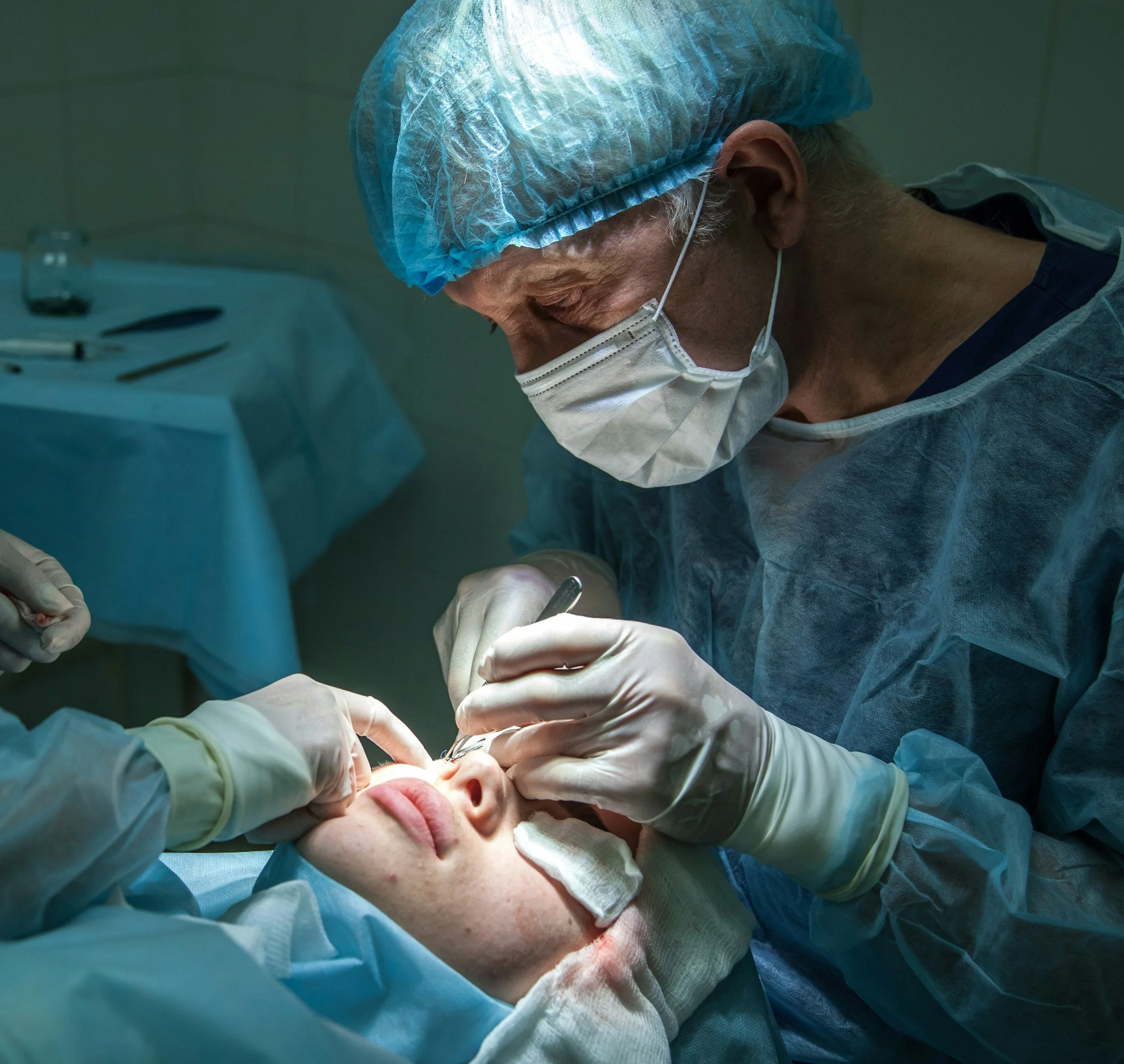
Most people who breathe through their mouth at night assume it is just a habit. Most people who snore assume it is just how they are built. In Portland, where outdoor activity is a way of life and quality of sleep is taken seriously, a surprising number of people are discovering that their breathing difficulties have a structural cause - and that nose surgery can fix it.
The connection between a deviated septum and daily quality of life is worth understanding before you dismiss it as someone else's problem.
What a Deviated Septum Actually Is
The septum is the wall of cartilage and bone that divides the nasal cavity into two passages. In an ideal world, it sits perfectly in the center. In reality, most people have some degree of deviation - the septum leans to one side, narrowing one airway and widening the other. For many people this causes no noticeable problems. For others, it creates a pattern of symptoms that quietly affects their daily life for years without ever being identified as the source.
Common symptoms include chronic nasal congestion on one side, difficulty breathing during exercise, disrupted sleep, frequent nosebleeds, and recurring sinus infections. The catch is that most of these symptoms are easy to attribute to other causes - allergies, dry air, stress. The septum often gets overlooked until someone thinks to look at the structure itself.
How Nose Surgery Addresses the Problem
The procedure used to correct a deviated septum is called a septoplasty. It is performed entirely inside the nose, with no external incisions and no visible scarring. The surgeon repositions or removes the portions of the septum that are causing the obstruction, straightening the airway without altering the outside appearance of the nose. When appearance and function are both being addressed, the procedure is often combined with rhinoplasty - a combination known as septorhinoplasty.
According to the American Academy of Otolaryngology, septoplasty is one of the most commonly performed nose surgeries in the United States, with consistently high rates of patient satisfaction and meaningful improvement in breathing function reported across studies.
Why People Wait Longer Than They Should
There are a few reasons people put off nose surgery even when they suspect it might help. Some assume that because it is not life-threatening, it does not qualify as a real medical issue. Others worry about recovery, or assume nose surgery is primarily cosmetic and not something they should pursue for a breathing problem. And some never connect their symptoms to the structure of their nose.
People looking into nose surgery in Portland often arrive at the consultation having lived with their symptoms for years without realizing how much better things could be. Dr. Michael Kim approaches these consultations with a focus on both function and aesthetics, helping patients understand what is causing their symptoms and what nose surgery can realistically achieve for them.
The clearest sign that nose surgery might be worth exploring is a consistent pattern of symptoms that have not responded to other treatments. If antihistamines and nasal sprays have made little difference, the problem is likely structural rather than inflammatory - and structure is what nose surgery addresses.
What Recovery Looks Like
Recovery from septoplasty is more manageable than most people expect. Patients typically go home the same day and experience some congestion and mild discomfort for the first week. Internal splints are removed within a week, and most people return to work and light activity within seven to ten days, with a gradual return to exercise after that.
The most rewarding part of recovery is noticing the improvement in breathing as swelling clears. For some patients, it is the first time they have breathed freely through both nostrils. That shift is often described as one of the most significant quality-of-life changes they have experienced.
When Nose Surgery Addresses Both Function and Appearance
For patients who have concerns about both breathing and the external appearance of their nose, combining septoplasty with rhinoplasty in a single procedure makes sense. It avoids a second recovery, allows the surgeon to address internal and external structure at the same time, and often produces the most cohesive result.
Cosmetic changes to the nose are sometimes covered under insurance when the primary reason for surgery is functional. This varies by insurer and the extent of functional correction required, so it is worth discussing with your surgeon and insurance provider before making any assumptions.
Conclusion
A deviated septum is one of those conditions that can quietly affect sleep, exercise, energy, and mood without ever being identified as the cause. Nose surgery to correct it is a well-established procedure with a strong track record and a recovery most patients find easier than they anticipated.
If you have been managing nasal symptoms for years without a clear answer, it may be worth having someone look at the structure of your nose. A consultation does not commit you to anything - but it might finally explain something you have been putting up with for a very long time.
