
How Heat Therapy Boosts Post-Workout Recovery
Hard workouts leave muscles feeling tight, heavy, and exhausted after a long session at the gym. Adding thermal treatments to a routine speeds up physical relief and helps athletes get back to training faster. A structured approach turns post-workout stiffness into quick physical comfort without extra stress.

Understanding Heat Application After Exercise
Thermal therapy encourages blood vessels to expand, allowing fresh oxygen to reach tired muscle tissues quickly.
Athletes often turn to warm baths or steam rooms directly after intense training sessions to soothe soreness. This warm environment calms tight fibers and reduces lingering tension across major muscle groups.
Applying warmth after heavy exertion reduces discomfort and supports overall movement range. Many people notice immediate ease in their joints when warming up after lifting heavy weights. Consistent thermal habits help maintain mobility throughout busy weekly training schedules.
Setting Up Heat Recovery Solutions At Home
Creating a space for thermal recovery at home makes daily post-workout care simple and convenient.
Portable options allow individuals to enjoy full-body warmth without building a permanent spa room in their house. Setting up a dedicated relaxation area encourages consistent recovery habits after hard exertion.
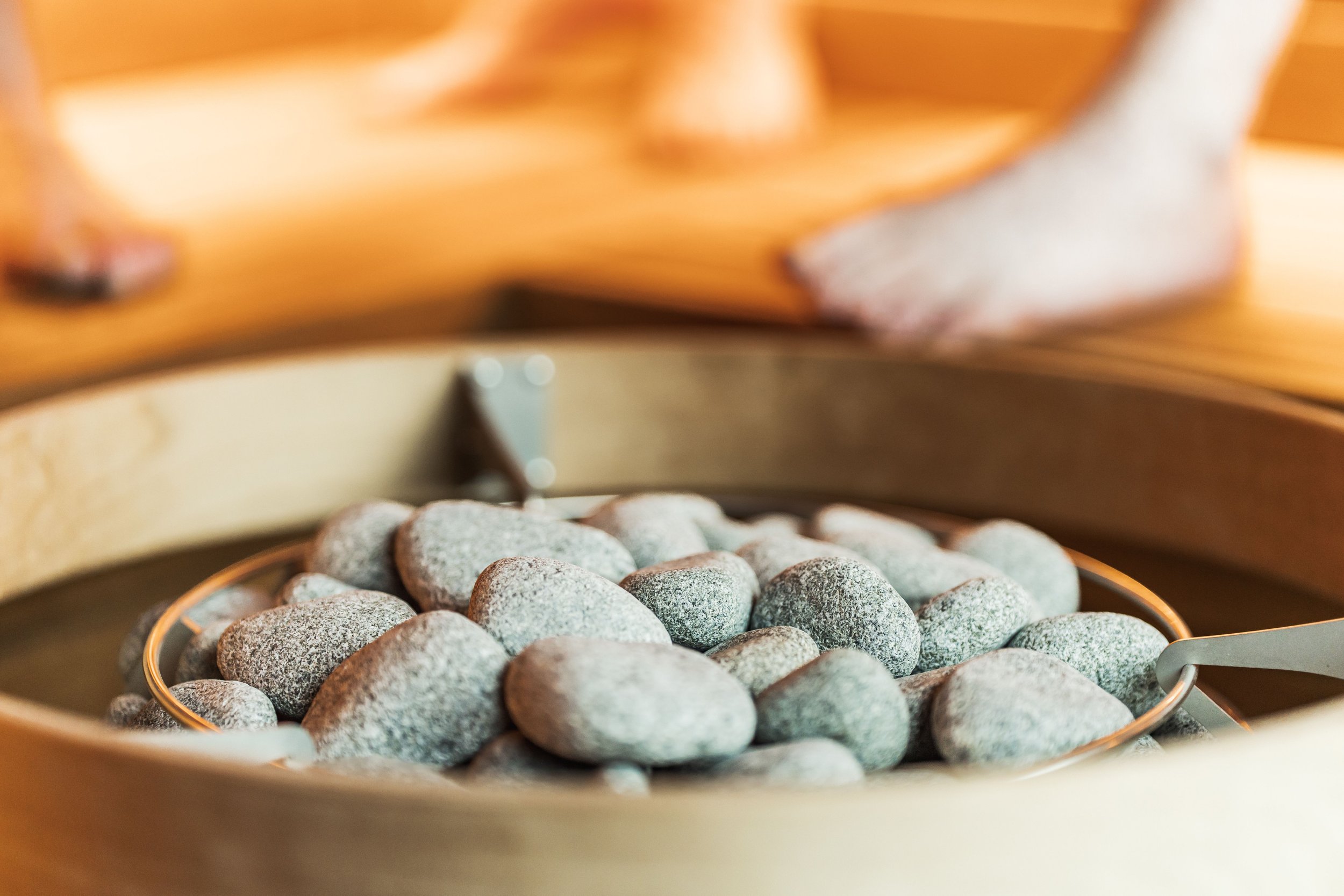
Having quick access to warm recovery equipment makes post-exercise care seamless after grueling workouts. When building a home setup,the team behind North Shore Sauna says that portable steam enclosures provide deep thermal relief in small spaces. These compact units heat up rapidly and offer an easy way to unwind in any room without hassle.
Setting aside 15 to 20 minutes in a warm environment helps soothe tired limbs after heavy cardio workouts. A simple home setup saves travel time to commercial gyms and keeps personal recovery simple. People can easily fit a short session into their evening routines to boost relaxation before sleep.
Boosting Circulation And Muscle Repair
Deep warmth directly targets sore muscle groups to accelerate natural healing processes after exertion. Research from Northwestern Medicine highlights that infrared warmth raises blood flow to transport nutrients and ease soreness. Increased circulation brings key oxygen to damaged fibers right when muscles need it most.
Faster nutrient delivery allows muscle tissue to rebuild stronger between high-intensity workout days. Athletes who utilize light heat treatments report feeling less stiffness 24 hours post-exercise compared to taking total rest. Regular sessions keep physical performance consistent across demanding weekly routines.
Restoring Muscle Function With Warm Water
Immersion in warm water stands out as one of the most effective recovery choices after grueling endurance events.
A study published on PubMed indicates that hot water immersion works best when restoring full muscle function. Soaking in warm water helps relieve deep physical strain across major muscle groups after heavy exertion.
Submerging the entire body offers uniform pressure and warmth that targets hard-to-reach muscle areas.
Athletes can customize water temperatures to fit their personal comfort levels without stressing their skin. Warm water therapy remains a staple choice for runners and weightlifters seeking quick relief.
Here are 3 quick rules to follow for safe warm water soaking:
Keep bath temperatures around 100 to 104 degrees Fahrenheit for comfort.
Limit soak sessions to 15 or 20 minutes at a time.
Drink a large glass of water immediately after stepping out of the tub.
Comparing Warm Towels And Heating Pads
Targeting specific localized spots requires choosing the right type of heat delivery for targeted muscles.
Findings from Harvard Health show that damp compresses transfer thermal energy into tissues far better than dry heating pads. Using damp warmth helps penetrate deeper layers of tight muscles around joints and tendons.
Dry electric pads work well for quick convenience, but damp wraps offer superior heat penetration into thick muscle layers.
Placing a warm damp cloth over tight shoulders delivers quick relief after upper body workouts. Simple household items can become effective recovery tools with proper application and timing.
Best Practices For Safe Thermal Recovery
Safety remains key when incorporating higher temperatures into daily training schedules after hard workouts.
Staying hydrated before and after sessions prevents dizziness caused by heavy sweating during thermal sessions. Drinking plenty of fluids with electrolytes maintains proper hydration balance during heat exposure.
Listening to body signals prevents overheating during long recovery sessions in warm environments. Taking cool breaks between hot sessions keeps heart rates steady and manageable throughout the routine. Rest periods allow body systems to adjust while taking full advantage of thermal care.
Timing Your Heat Therapy Sessions
Timing plays an important role in getting maximum benefits from heat exposure after workout sessions. Waiting 20 to 30 minutes after heavy exertion allows heart rates to return to normal resting levels. This short pause gives the body time to cool down slightly before applying warmth.
Applying heat too quickly after an acute injury can increase swelling in sensitive joint areas. Athletes should focus on heat therapy for general soreness rather than sudden sprains or severe strains.
Proper timing makes sure that thermal recovery supports healing without causing unnecessary discomfort.
Smart recovery routines help athletes stay consistent and prevent unnecessary fatigue throughout the year. Integrating thermal options like warm baths, steam sessions, or damp compresses speeds up muscle relief after tough workouts.
Finding a warm recovery method that fits daily habits makes long-term fitness goals much easier to achieve.
