
How Laser Skin Treatments Help Promote Confidence and Self-Care
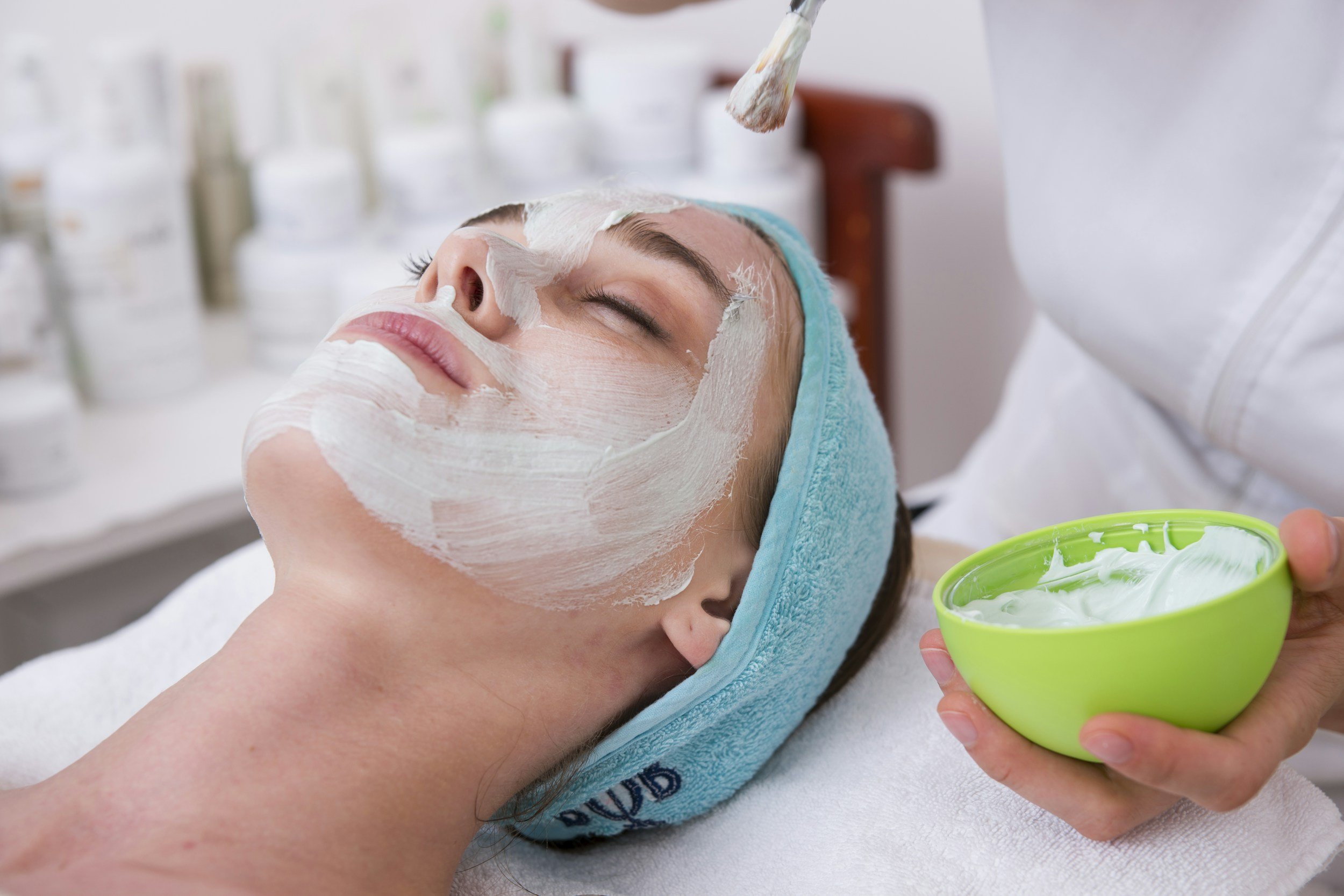
In today's wellness-focused world, self-care has become much more than an occasional indulgence. It is now recognized as an important part of maintaining physical health, emotional well-being, and overall quality of life. Among the many options available for personal care, laser skin treatments have gained significant popularity for their ability to support healthier-looking skin while helping individuals feel more confident in their appearance.
Many people choose these treatments to address specific skin concerns, but the benefits often go beyond cosmetic improvements. Professional laser procedures can encourage healthier skincare habits, improve self-confidence, and contribute to a more positive approach to wellness. As a result, laser skin treatments have become an increasingly valuable component of modern self-care routines.
The Growing Importance of Skin Health
Healthy skin is often viewed as a reflection of overall wellness. The skin serves as the body's largest organ and plays an important role in protecting against environmental stressors. Over time, factors such as sun exposure, aging, lifestyle habits, and environmental pollutants can affect the skin's appearance and condition.
Common concerns include:
● Uneven skin tone
● Fine lines and wrinkles
● Sun damage
● Acne scars
● Skin texture irregularities
Addressing these concerns can help individuals feel more comfortable in their own skin while supporting long-term skin health.
Understanding Laser Skin Treatments
Laser skin treatments use advanced technology to target specific skin concerns with precision. Depending on the individual's goals, these procedures can help improve skin texture, reduce visible imperfections, and support the skin's natural renewal process.
Professional providers customize treatment plans based on factors such as:
Skin type
Desired outcomes
Existing skin concerns
Overall skin health
Long-term maintenance goals
This personalized approach allows treatments to be tailored to each person's unique needs.
How Confidence and Appearance Are Connected
Confidence is influenced by many factors, including physical health, emotional well-being, and personal perception. While appearance is only one part of self-confidence, many individuals find that addressing specific concerns helps them feel more comfortable and self-assured.
When people feel good about their appearance, they may experience benefits such as:
● Greater self-esteem
● Increased comfort in social situations
● Improved professional confidence
● More positive self-image
● Enhanced motivation to practice self-care
These emotional benefits often contribute to a stronger overall sense of wellness.
The Role of Self-Care in Wellness
Self-care involves intentional actions that support physical and emotional health. While exercise, nutrition, and adequate sleep remain essential components of wellness, professional skin care treatments can also play a meaningful role.
A comprehensive self-care routine may include:
● Healthy eating habits
● Regular physical activity
● Hydration
● Stress management
● Professional skin care services
Laser skin treatments often encourage individuals to pay closer attention to their skincare routines and adopt habits that promote long-term skin health.
Physical Benefits of Laser Skin Treatments
One of the primary reasons people seek laser procedures is the opportunity to improve the overall condition of their skin. These treatments can address a variety of concerns while supporting healthier-looking skin.
Potential benefits may include:
Improved skin texture
More even skin tone
Reduction in visible sun damage
Enhanced skin rejuvenation
Support for healthy aging
Because treatments are tailored to individual needs, many people are able to achieve noticeable improvements that align with their personal goals.
Supporting Healthy Aging
Aging is a natural part of life, but many individuals want to maintain healthy, vibrant skin as they grow older. Laser treatments are often incorporated into long-term skincare strategies because they can help address visible signs of aging while supporting skin renewal.
Common aging-related concerns include:
● Fine lines
● Wrinkles
● Loss of skin firmness
● Uneven pigmentation
● Dull complexion
Taking a proactive approach to skin care can help individuals maintain confidence and support healthy skin over time.
Why Personalized Treatment Plans Matter
Every person's skin is unique, which is why personalized treatment plans are essential. Professional providers evaluate individual concerns and recommend treatments that best align with specific goals.
Personalized care offers several advantages:
● More targeted treatment strategies
● Better patient education
● Realistic expectations
● Ongoing progress monitoring
● Long-term maintenance planning
This customized approach often leads to greater satisfaction and improved outcomes.
Choosing a Trusted Provider
The success of any aesthetic treatment depends heavily on the experience and qualifications of the provider. Choosing a reputable clinic helps ensure that treatments are performed safely and effectively.
For individuals researching laser skin treatments in Texas, working with an experienced provider such as InjectCo can help ensure that treatment recommendations are tailored to individual skin concerns and wellness goals. Professional guidance can make a significant difference in both the treatment experience and the results achieved.
A trusted provider also helps patients understand how treatments fit into a broader wellness and self-care plan.
The Importance of Safety and Professional Oversight
Patient safety remains one of the most important aspects of any aesthetic procedure. Responsible clinics follow established protocols designed to protect patients and ensure appropriate treatment recommendations.
One important component of this process is the Texas GFE, which helps support patient evaluations before certain aesthetic services are provided. Proper assessments allow providers to determine treatment suitability while maintaining high standards of care and professionalism.
This focus on safety helps create a positive experience while supporting better long-term outcomes.
Long-Term Wellness Benefits
While many people initially pursue laser skin treatments for cosmetic reasons, the long-term benefits often extend beyond appearance.
These benefits may include:
● Increased confidence
● Better self-care habits
● Greater commitment to wellness goals
● Improved emotional well-being
● Enhanced quality of life
When individuals feel good about themselves, they are often more motivated to engage in healthy behaviors that support overall wellness.
Why Laser Skin Treatments Continue to Grow in Popularity
The growing demand for laser skin treatments reflects a broader shift toward preventive care and wellness-focused lifestyles. People increasingly recognize that self-care is an important investment in both physical and emotional health.
By improving skin health, supporting confidence, and encouraging healthy habits, laser treatments offer benefits that align with modern wellness goals. They provide a practical option for individuals seeking to care for their appearance while maintaining a strong commitment to overall well-being.
Final Thoughts
Laser skin treatments have become an important part of modern self-care because they offer more than aesthetic improvements alone. By supporting healthier skin, boosting confidence, and encouraging positive wellness habits, these treatments contribute to both physical and emotional well-being.
Whether someone is looking to address specific skin concerns or simply invest in long-term skin health, professional laser treatments can provide meaningful benefits. As self-care continues to play a central role in wellness, laser skin treatments are likely to remain a valuable tool for helping individuals look and feel their best.
