
Staying Safe and Injury-Free in Sports: Practical Tips for Every Athlete
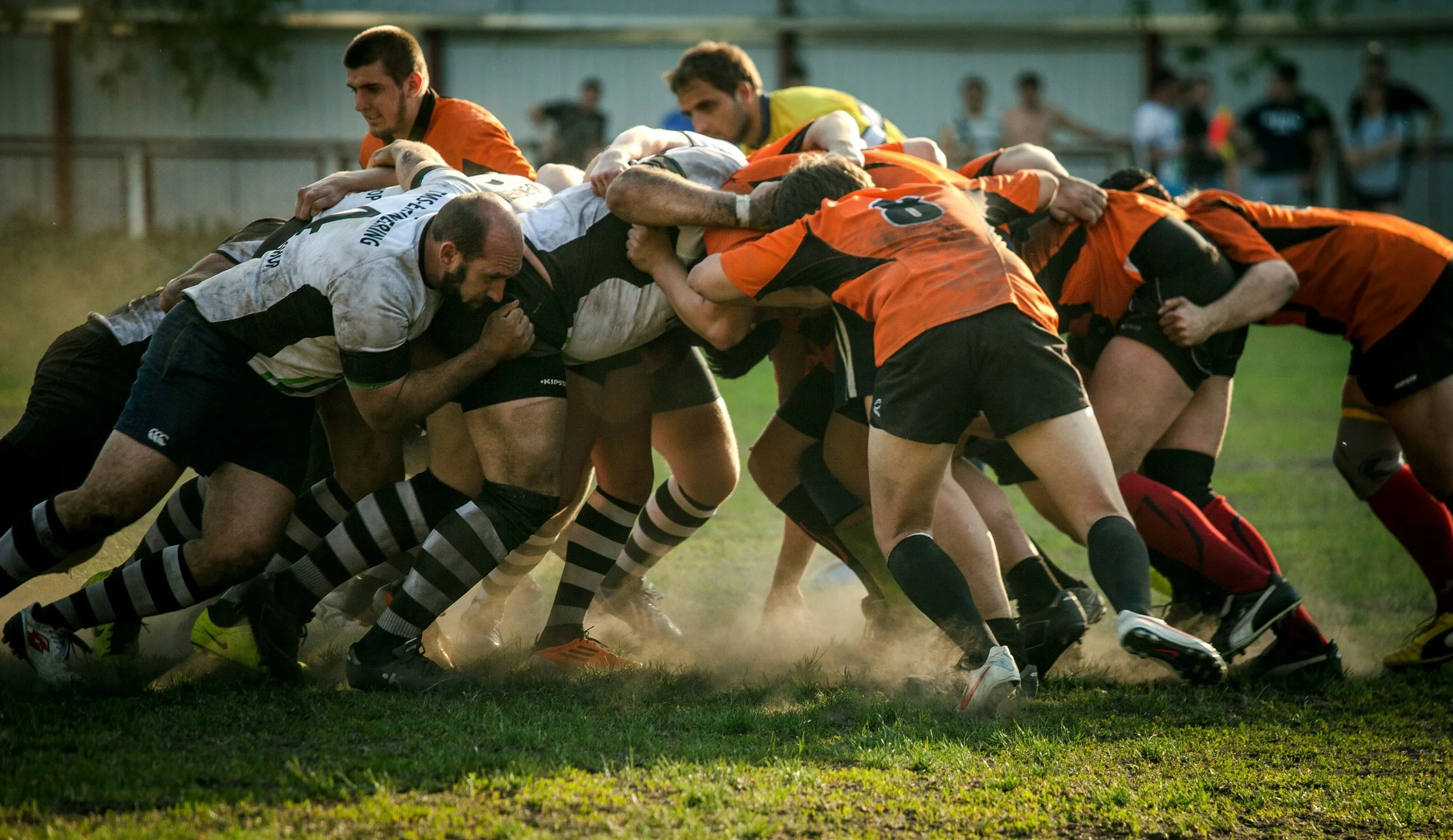
Playing sports is brilliant for mind and body, but let’s be honest, injuries are part of the game – whether you’re a seasoned pro or just have a competitive streak at the weekend. That shouldn’t put anyone off getting stuck in, but it does mean everyone, from athletes to coaches, needs to stay alert and get ready for anything.
Research shows that muscle strains, concussions, and ligament tears are all fairly common, often caused by pushing your body a bit too far. Spotting these injuries quickly is key if you want to steer clear of bigger problems down the line, and it makes treatment much more straightforward too.
If everyone involved knows what to watch for and what it means, they can work together to help keep injuries to a minimum. This sort of knowledge doesn’t just help people bounce back faster, it also plays a big part in planning training routines that keep athletes fit, healthy, and ready for action.
Overview of Common Sports Injuries
Injuries are part and parcel of staying active, and certain body parts seem especially unlucky. The knee, in particular, cops it more than any other joint, making up over half of all sports injuries. That’s hardly surprising, given the amount of twisting, jumping, and sprinting it’s put through in most sports.
Shoulders come a close second, often suffering from dislocations and rotator cuff tears, especially in sports involving lots of throwing or overhead movement. Ankles and feet also take plenty of knocks, with sprains and stress fractures a regular occurrence, especially in high-impact games like basketball.
Hip injuries don’t come up as often but can be anything from strains to fractures. Then there are head injuries, such as concussions, which are finally getting the attention they deserve thanks to awareness of their long-term effects, particularly in contact sports.
These kinds of injuries aren’t just frustrating for elite athletes. They can interrupt a child’s growth or even cut a promising career short. Quick recognition and early action make a huge difference to recovery, so focusing on prevention and understanding these injuries is vital for anyone who loves playing sports.
Detailed Look at Specific Sports Injuries
Knee Injuries
Among knee injuries, tearing or straining the anterior cruciate ligament (ACL) is especially tough for athletes. The ACL is hidden deep inside the knee joint, and it keeps everything steady — especially during those quick pivots, directional changes, and stop-start sprints you see in football, basketball, or skiing. Think of any moment you’ve seen someone suddenly slow down, try to turn, and then grab their knee — that’s usually an ACL moment.
If you’ve hurt your ACL, you’ll probably notice the knee feeling unstable, almost as if it might buckle if you put weight on it. Swelling often sets in quickly, thanks to bleeding in the joint, and this swelling makes it difficult to move the knee properly.
How you treat an ACL injury depends on how bad the damage is. A partial tear can sometimes heal without surgery — a combination of rest, ice, compression, and elevation (better known as RICE), followed by focused physiotherapy to bring back strength and balance around the joint.
If the ligament is completely torn, surgery is usually necessary. Surgeons will rebuild the ligament using a piece of tendon either from your own body or from a donor. Afterwards, getting strength and movement back involves months of guided rehab — lots of stretches, strength work, and patience, all under a physio’s watchful eye.
ACL injuries demand time and discipline to heal, but proper care means most athletes can aim to return to all their regular activities once recovery is complete.
Shoulder Injuries
Shoulder injuries can mean anything from dislocations and awkward bone shifts to muscle strains or torn ligaments. Because the shoulder moves more than any other joint, it’s easier for things to go wrong, especially in activities that involve lots of overhead action, like tennis, volleyball, or swimming. It’s also a bit of a magnet for injury in sports that come with the risk of falling or accidental knocks.
Dislocating your shoulder is a surprisingly common event for athletes. This happens when a force pushes the shoulder joint out of position, often with a fair bit of pain and instant loss of movement. Muscle strains are another regular culprit, usually caused by using the shoulder too much or not paying enough attention to technique when lifting, throwing, or serving. Ligament sprains, on the other hand, involve the tough bands connecting bones getting stretched or torn, sometimes all in one unlucky move.
There are a few reasons these injuries happen so often. They’re more likely if you lack strength around the joint, have limited flexibility, or struggle to keep the joint stable during movement. With the shoulder being such a complicated bit of machinery, it’s no wonder problems are so frequent in sport.
If something goes wrong, the usual first steps are rest and ice to calm down swelling and ease the ache. If things don’t start to improve after a fortnight, or the pain is bad from the start, a visit to a physio is a smart move. They can show you exercises that help you build strength, improve movement, and keep everything working in sync. For many athletes, a specific rehab routine is the best way to get back to sport and avoid a repeat performance.
Concussions
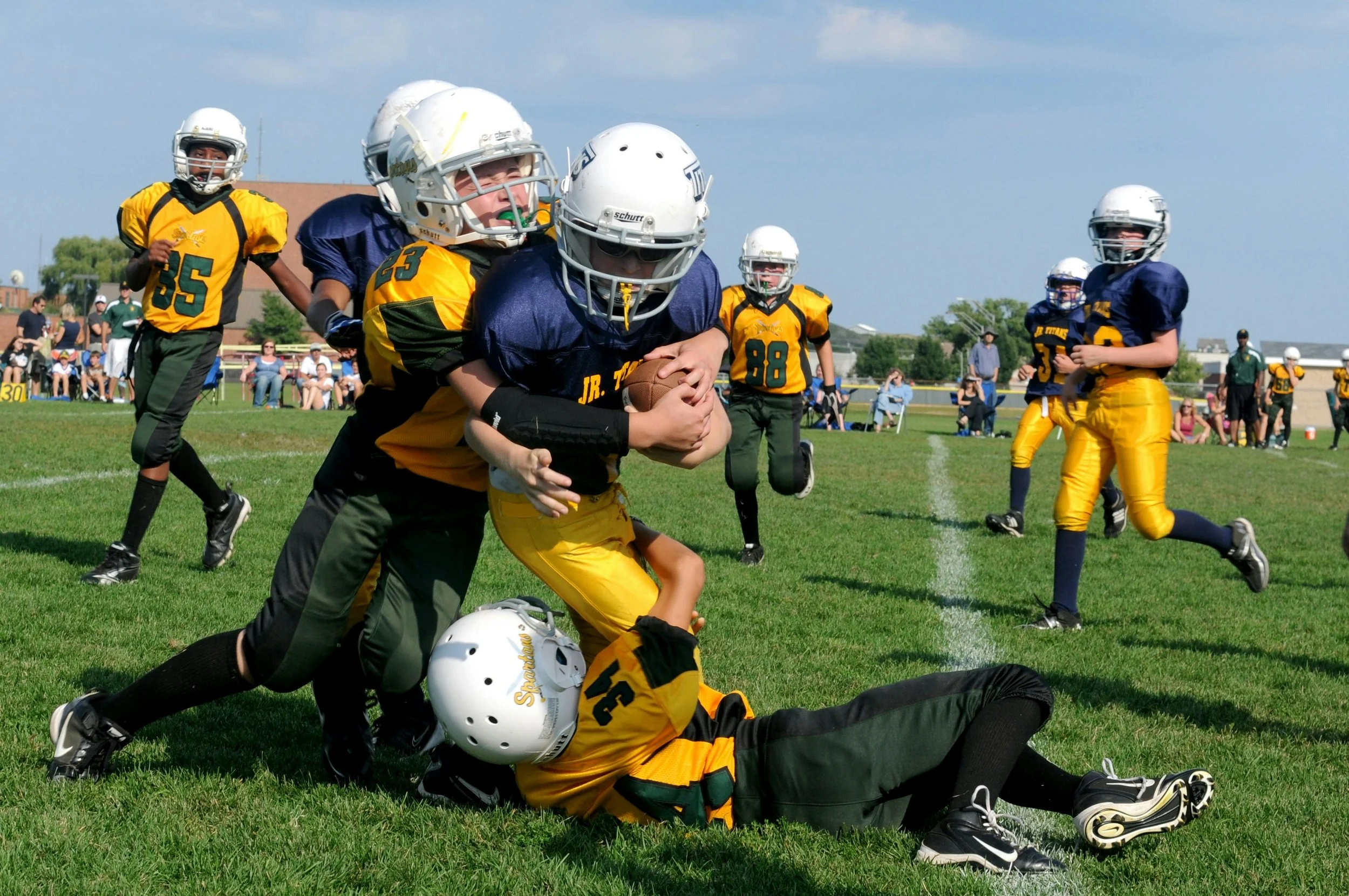
A concussion happens when a hard knock to the head makes the brain shake inside the skull. That kind of jolt can set off a range of unpleasant symptoms: headaches, dizziness, confusion, feeling sick or actually being sick, slurred speech, problems with bright lights, and even struggling to answer questions on the spot.
Sometimes these symptoms pop up straight away, but other times they sneak up hours later, which can make things tricky. Ignoring a concussion is never a good idea. It’s especially important for athletes to get checked out by a health professional who really knows their stuff when it comes to head injuries.
Until a doctor gives the all clear, getting back in the game is off the table. Returning to sport too soon can make things much worse, dragging out recovery or even causing long-term harm.
Seasonal and Sport-Specific Injuries
The type and timing of injuries in sport depend on both the activity and the season. For example, summer tends to fill A&E with mountain bikers and cyclists suffering broken collarbones or shoulders knocked out of place. Once winter kicks in, keen skiers and snowboarders are far more likely to show up with painful knee trouble, especially ligament strains and tears, thanks to the twists and tumbles that cold-weather sports so often bring.
Football is notorious for knee injuries—including sprains and torn ACLs—but you’ll also find your fair share of shoulder mishaps and the ever-present risk of concussion. Basketball has a different curse: ankle sprains top the list, followed by knee problems and the odd stress fracture, usually from all that landing and sharp cutting about on solid floors.
In football and basketball, players often push joints and ligaments to their limits, which explains the high numbers of twisted knees and damaged ligaments.
Soccer consistently delivers knee injuries too, especially torn ACLs and meniscus tears. Concussions also crop up fairly regularly, particularly during clashes over headers. Each sport brings its own risks, so it makes sense for athletes and coaches to focus on the sorts of preparation and preventative strategies that best suit the activity they love.
Preventive Measures and Treatment
The best way to avoid sports injuries is to make injury prevention part of your normal routine. Giving your body regular rest is key—muscles, joints, and ligaments need a break to recover from tough training or competition. Overuse injuries are far less likely if you schedule proper downtime.
Building strength and keeping muscles flexible are also smart moves. A combination of regular stretching and strength work helps your body cope with all the challenges thrown at it by sport. Add some aerobic exercise, and you’re not just stronger—you’ll last longer too, with less chance of your tissues being pushed past their limits.
If an injury does happen, the classic RICE approach (Rest, Ice, Compression, Elevation) works well straight after the event to keep swelling and pain under control. But don’t tough it out if things look or feel serious. If you notice strong pain, swelling that won’t settle, or you simply can’t put weight on the injured area, get checked out by a health professional to rule out broken bones or bad tears.
Sometimes, even with the best effort, symptoms stick around or are especially nasty. That’s when it’s time to call in the experts—a doctor or physio can suggest rehab exercises or, occasionally, surgery if the injury just won’t fix itself. In some cases, alternative approaches such as treating sports hernias with Chinese medicine may also support recovery. Matches in recovery and prevention should suit the individual athlete too. Everyone’s sport, age, and fitness levels are different, so there’s no one-size-fits-all plan for keeping people healthy and in the game.
The Impact of Lifestyle on Injury Recurrence
How you look after your body makes all the difference when trying to avoid old injuries flaring up.
Sticking to a regular fitness routine keeps you moving well and your muscles and joints in good shape, which lowers your chances of getting hurt in the first place. Building muscle strength and working on flexibility is like giving your body some built-in protection, making it much less likely that you’ll pull a muscle or twist something during sport.
Training should match your age, fitness, and the kind of sport you do. Younger and older players have different needs, and everyone’s body responds differently. People who are fit for their sport can keep going for longer, and if you pick lower-impact activities as you get older, your joints will thank you.
A few smart habits—like adapting your exercise routine as your body changes—mean you’re more likely to keep enjoying your sport for years, without the injuries coming back to haunt you.
