
How Licensed Massage Therapists Match Technique to Condition: Swedish and Deep Tissue Massage Serve Different Tissue States
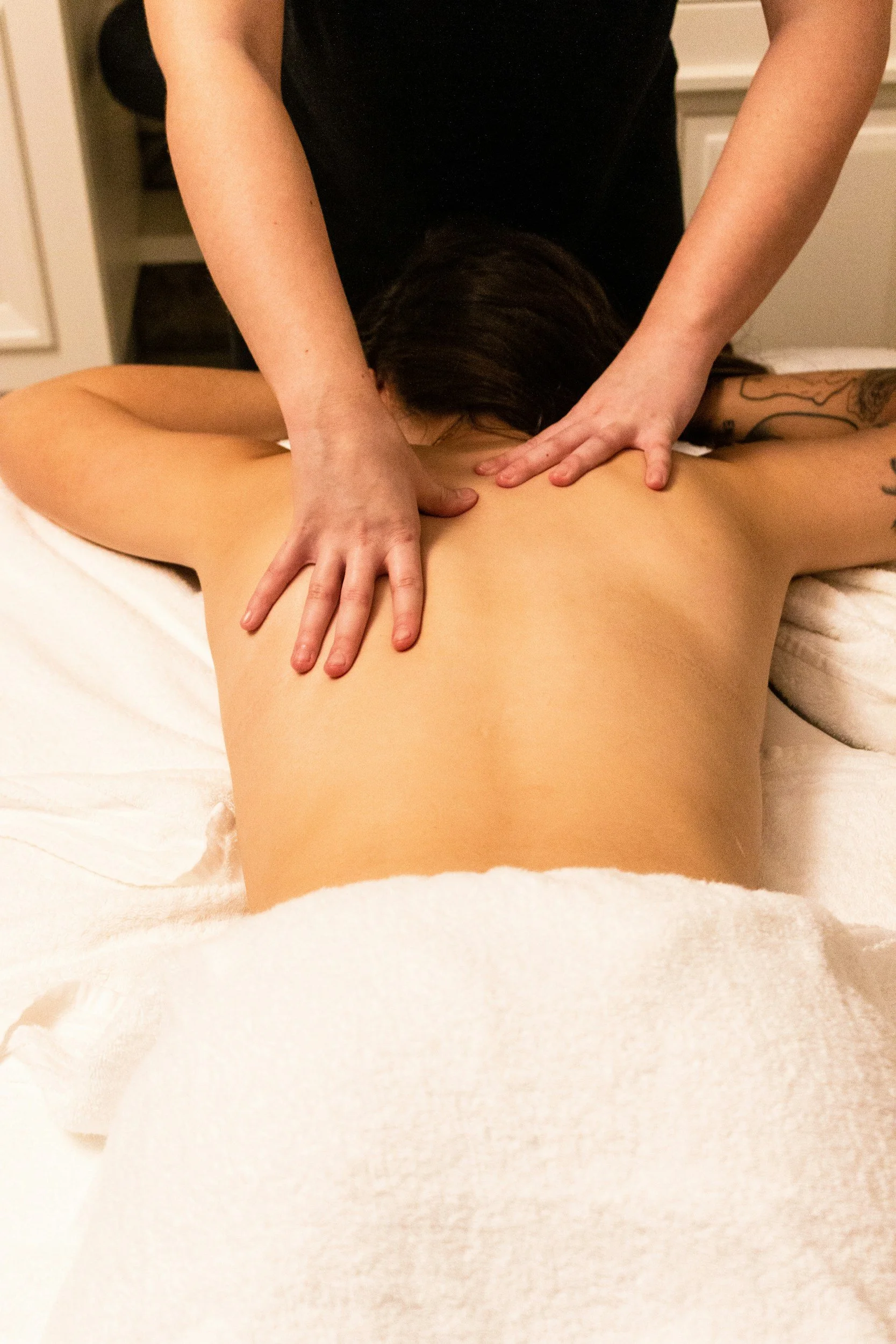
Most people choose between Swedish and deep tissue massage the way they order from a menu: deep tissue sounds more serious, so it must do more. Swedish sounds gentler, so it must be for people who want to relax rather than treat something. Neither assumption holds up once you understand what each technique actually does to the tissue it contacts. People searching for a Swedish massage near me may be seeking relaxation, relief from muscle tension, or a technique suited to their needs.
Licensed massage therapists who practice both modalities describe the selection differently. The question is not which type the client prefers. The question is which tissue state the client is presenting with when they walk in the door.
What Swedish Massage Does to the Body, Technically
Swedish massage applies four core stroke types to the superficial muscle layer and overlying fascia:
Effleurage - long, gliding passes applied with the palms and fingers in the direction of venous return. These strokes warm the tissue, increase local circulation, and prepare deeper layers for work. A therapist opens and closes most sessions with effleurage sequences to signal the nervous system that bodywork is beginning and ending.
Petrissage - compression, kneading, and rolling that lifts and mobilizes the superficial muscle belly away from underlying tissue. This improves tissue hydration, breaks early-stage fascial adhesion, and reaches localized areas of muscle contraction that effleurage alone cannot address.
Friction - deeper, cross-grain pressure applied to specific adhesion points within the superficial layer, targeting areas of localized restriction within the treated muscle group.
Tapotement - rhythmic percussion that stimulates local circulation and nervous-system activation. Therapists typically reserve this stroke for sports or pre-event sessions where the goal is tissue excitation rather than calming.
Together, these four stroke types produce measurable results: improved venous and lymphatic return, reduced neuromuscular tension in the treated region, and a parasympathetic nervous-system response that lowers resting heart rate and cortisol markers.
Swedish massage treats the superficial muscle layer completely. It does not reach the deeper muscle bellies or address structural adhesion within the deep fascia. That distinction is where deep tissue technique begins.
What Deep Tissue Massage Does Differently
Deep tissue massage applies sustained, slow, cross-fiber compression to reach the deeper muscle bellies and the dense connective tissue between muscle groups. The strokes are slower, narrower in contact area, and applied with more specific intent than Swedish technique.
How a deep tissue session progresses:
The therapist identifies the target region through palpation and client intake before beginning deep work.
Sustained pressure is applied directly to the hypertonic muscle or adhesion band using a thumb, elbow, or forearm.
The therapist holds that pressure until the tissue releases, then follows the muscle as it softens and lengthens.
The sequence is repeated across the restricted region until the tissue demonstrates a measurable change in tone or range.
Rushing this process produces soreness without the therapeutic benefit of actual release. Deep tissue work done well is slow, deliberate, and responsive to what the tissue does under pressure.
What deep tissue addresses that Swedish cannot reach:
Chronic postural holding patterns in the cervical, thoracic, or lumbar spine
Dense fascial adhesion from repetitive strain or old injury
Deep muscle belly tension in regions like the subscapularis, iliopsoas, or deep spinal extensors
Structural restrictions that limit joint range of motion
Clients often report post-session soreness in the 12 to 48 hours following deep tissue work, particularly when treating a region that has been chronically restricted for an extended period. This reflects tissue remodeling, not damage, and resolves without lasting discomfort in most cases.
Why the Intake Assessment Determines Technique, Not the Client's Preference
The decision between Swedish and deep tissue massage should not rest with the client, because clients cannot palpate their own tissue state.
What feels like deep tension to someone who has been sitting at a desk all day may be superficial muscle guarding in response to postural fatigue, which Swedish technique addresses efficiently. What a client describes as general soreness may reflect deeper fascial restriction that requires cross-fiber work to release. The presenting description and the actual tissue state do not always match.
What a thorough intake assessment covers:
Presenting symptoms and the duration of each
Postural habits and daily activity patterns
Recent physical activity, sport, or training load
Injury history and any areas of prior surgery or structural concern
Session goals and what the client wants to feel differently afterward
Brief palpation of the primary complaint regions before the session begins
This assessment takes three to five minutes. It produces a working picture of the tissue state that guides every technique decision in the session that follows.
How most sessions actually run:
In practice, most therapeutic sessions combine both modalities. A therapist may:
Open with Swedish effleurage to warm the tissue and assess which regions need deeper attention
Apply deep tissue strokes to the specific areas that require cross-fiber or sustained pressure work
Return to Swedish technique to flush the treated tissue, restore circulation, and close the session
The modalities are not competing options. They are tools a therapist selects and sequences based on what the tissue requires at each stage of the session. Clients who book one type and receive combined work are not getting a lesser version of what they requested. They are getting a technique sequence calibrated to their actual tissue state.
Which Presenting Conditions Point Toward Each Technique
Swedish Massage Is the Appropriate Primary Modality When:
General muscular tension from sustained desk posture is the presenting condition, without a specific injury history
Stress-driven nervous-system dysregulation, disrupted sleep, or elevated resting physiological indicators are the primary complaint
Post-athletic soreness is present from a training cycle where the tissue is fatigued but not chronically restricted
The client is booking their first massage session, and tissue response is unknown
The client is prenatal, and deep sustained pressure on the lower back and hip regions is contraindicated
The tissue is in an acute inflammatory phase in which deep pressure would aggravate rather than relieve
Deep Tissue Massage Is the Appropriate Primary Modality When:
Chronic postural holding patterns in the cervical, thoracic, or lumbar spine have not responded to Swedish work
Dense fascial adhesion in a specific region has developed from repetitive strain or old injury
Restricted range of motion in a joint is limited by deep soft-tissue tension rather than a structural joint issue
Recurring tension headaches originate from suboccipital or upper cervical muscle restriction
The client is an athlete in a maintenance phase between training cycles who requires structural work rather than recovery work.
These are clinical guidelines, not rigid rules. Tissue states shift session to session. A client who required deep tissue work for three consecutive visits may present with fatigued, reactive tissue at the fourth and benefit from Swedish technique before returning to deeper work.
For those in the New York area looking to work with therapists trained in orthopedic assessment, Body Mechanics Orthopedic Massage practices this intake-first approach at two Midtown Manhattan studios, applying Swedish massage, deep tissue massage, and the full range of clinical massage modalities based on each client's presenting condition.
Media Contact:
Company Name: Body Mechanics Orthopedic Massage
Contact Name: Beret Loncar
Phone: (212) 600 4808
Address: 1 W 34th St. #204
City: New York
State: New York
Postal Code: 10001
Country: United States
Website: https://www.bodymechanicsnyc.com/our-space-34th-street/
Social Media:
https://www.facebook.com/BodyMechanicsNYC
https://www.linkedin.com/company/body-mechanics-orthopedic-massage
