
What Should You Know About Lymphatic Drainage While Breastfeeding?
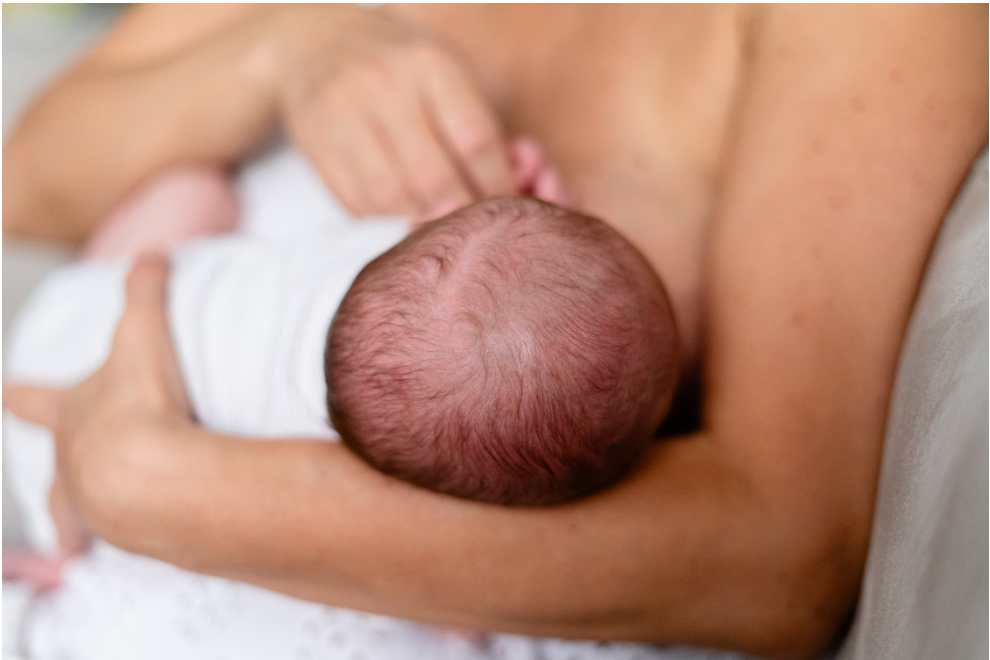
Swollen, heavy breasts can make the first weeks of nursing feel rough. Many new moms start searching for anything that might move that extra fluid along, so the lymphatic system often comes up. The topic sounds simple, yet it has a few twists.
Some products promise big results, while the research points more toward gentle hands than bottles. That gap can leave you unsure where to begin, and guessing feels risky when your baby drinks what your body makes.
For that reason, talk with your doctor, midwife, or lactation consultant before you try anything new, since they know your situation best. With that in mind, here is what you should know about lymphatic drainage while breastfeeding.
Lymphatic Drainage Drops May Support Comfort
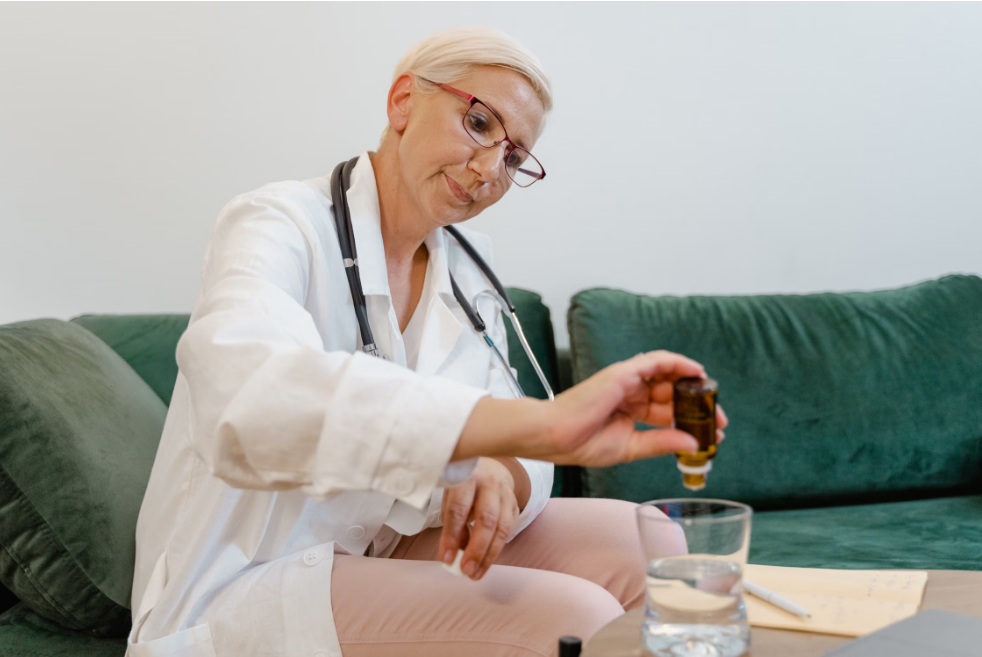
Many moms look into lymphatic drainage drops while breastfeeding to seek natural help with swelling. These herbal solutions try to promote liquid circulation, and some women may feel less puffy after weeks of consistent use.
However, each container has a unique combination of herbs, so the choice of formula really matters. Fortunately, there are gentle solutions available, and most women can find an ideal one by paying attention to labels.
For example, cleavers, dandelion, and ginger frequently appear in blends for lactating mothers. Conversely, high amounts of sage reduce milk production and should therefore be avoided.
Lastly, find products with full labeling since labels guide your selection process.
Lymphatic System Supports Your Breasts During Nursing
Your lymphatic system, in collaboration with the blood vessels, helps maintain proper fluid balance within the body. It drains excess fluid from your tissues and moves it towards lymph nodes in areas like the armpits.
While blood circulation is powered by your heart, lymph has no pump of its own. Your muscles and mild pressure help move it. At the time of milk coming in, you need to manage much more fluid in your breasts than you normally would.
If there is any restriction on the flow of this fluid, then your breasts will become firm, hard, and sore. This condition is known as engorgement and generally occurs in the first week after delivery.
Since engorgement affects many nursing mothers, it does not indicate your ability to nurse your baby. Milk removal is only one factor, as excess tissue fluid increases pressure. However, proper milk removal is always the priority.
Gentle Massage Has the Strongest Research
Studies on massage give a clearer picture. In one randomized trial, manual lymphatic drainage was compared with Kinesio taping in women after delivery who were experiencing engorgement. Mothers treated with massage experienced lower pain and engorgement levels and higher milk volumes than women in the control group.
In another trial, lymphatic drainage together with Thai massage was tested in 32 mothers who gave birth by cesarean and whose babies were premature. There were no significant differences in milk volume, pain, or engorgement between this therapy and usual nursing care.
However, the women who were offered massage expressed their satisfaction with the therapy. Only two of them experienced minor skin redness, which disappeared in twenty minutes. It can be concluded that the effects are inconsistent but promising. The massage appears to have low risks and can be beneficial for certain women. Further investigations are required.
Light Touch Works Better Than Deep Pressure
Technique matters as much as the method itself. Strokes should be soft and light, while deep tissue massage should be avoided as it will intensify the inflammatory process and may damage fragile tissues.
Consider how you would stroke a silk scarf rather than knead the dough. Glide your fingertips gently towards your armpits, where many lymphatic vessels drain. Do not proceed with any techniques if you feel pain.
Heat should also be used with caution. Some women find warmth soothing, while others prefer applying a cool compress after feeding, so choose whichever feels more comfortable to you.
Be aware of potential danger signals as well. Redness and heat in your breast, fever, and flu-like aching symptoms may indicate an infection called mastitis. In such cases, contact your provider instead of performing massage procedures.
Your Care Team Should Hear About Everything
Make sure to consult with a lactation expert, midwife, or physician before using drops, a new massage technique, or any supplement. Your baby's age is a factor here. Newborns and premature babies process herbs more slowly, so they need extra caution.
Be wary of any swelling that is unusual from the regular kind, too. Swelling in one leg but not in the other, calf pain, severe headache, or blurred vision should be immediately looked into by a health care professional.
The lactation specialist will also provide you with a physical demonstration, which will increase your confidence. This, combined with your regular feeding, adequate rest, and lots of water, ensures your body gets proper nourishment without any guesswork.
Final Thought
Lymphatic support may help you be more comfortable during nursing, and manual lymphatic drainage, along with adequate milk removal, appears to have the strongest supporting data at this point. Dropping treatments could also be part of your routine, though many uncertainties remain.
If you decide to try any of these approaches, do it gradually and gently. Do not hesitate to bring up any concerns you have with your healthcare team early on, as they can adapt your treatment accordingly. Remember that your body is already doing a lot of work for you.
