
How Long Does Nose Surgery Take and When Can You Return to Normal Life?
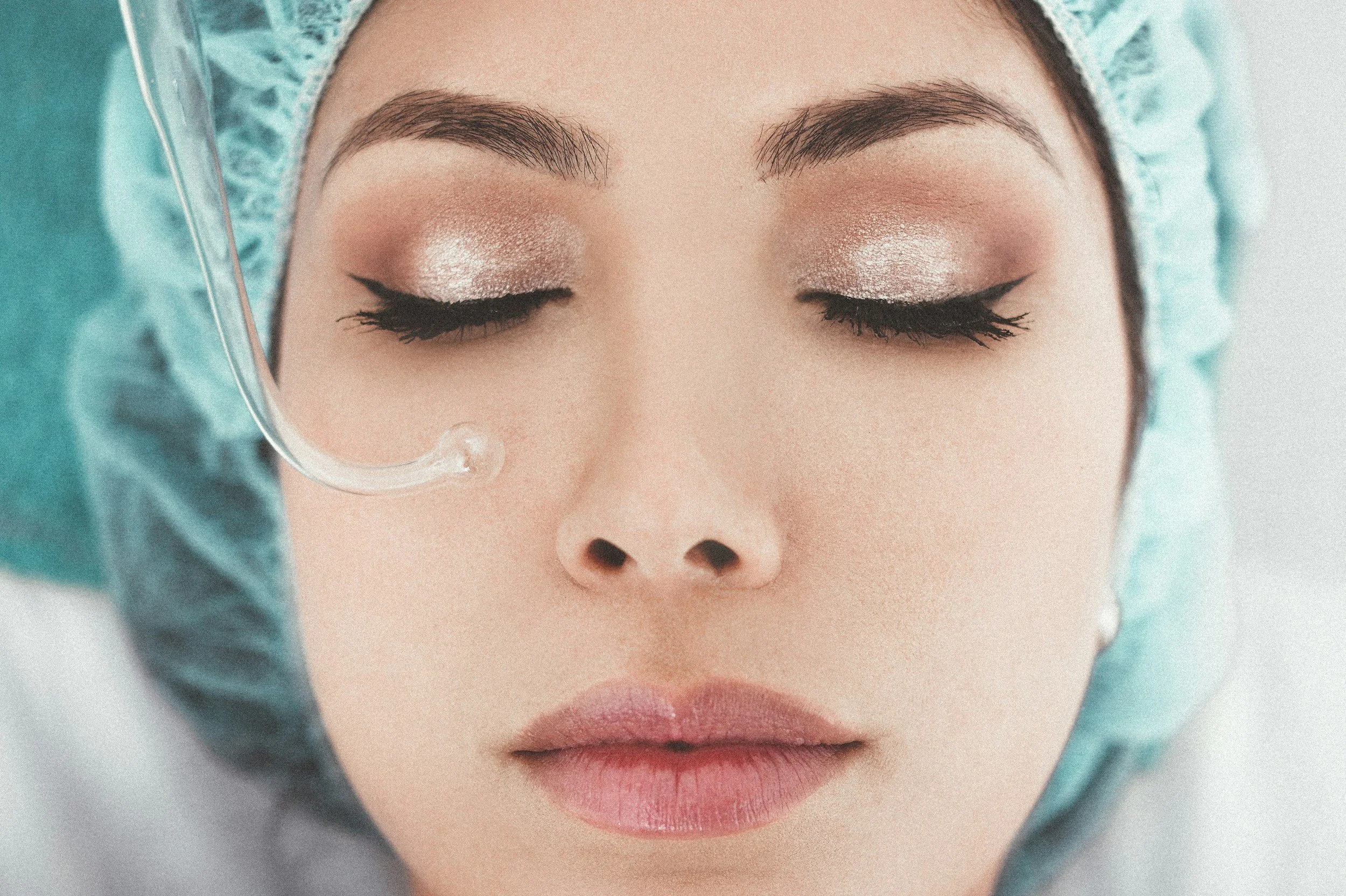
Planning nose surgery comes with plenty of questions, but two of the most common are also the most practical: How long does the procedure take, and how long will it take to recover? The answers matter because they affect everything from scheduling time off work and arranging help at home to knowing when you can return to exercise and social activities.
While rhinoplasty is typically completed in just a few hours, recovery happens in stages and continues well after you leave the operating room. Having a realistic understanding of the timeline can help you prepare for the process, set appropriate expectations, and approach surgery with greater confidence. Here's what you can expect from both the procedure itself and the weeks that follow.
How Long the Surgery Takes
Rhinoplasty typically takes between one and a half and three hours, depending on the complexity of what's being done. A straightforward cosmetic refinement sits at the lower end of that range. A procedure combining cosmetic reshaping with functional correction of the septum or airway, or a revision rhinoplasty addressing a previous surgery, can take longer.
The procedure is performed under general anaesthesia or local anaesthesia with sedation, and patients go home the same day in most cases. There's no overnight hospital stay for a standard rhinoplasty.
What matters more than the procedure duration is the recovery that follows, and that unfolds in distinct stages.
The Recovery Timeline: What Actually Happens and When
While every patient's recovery is unique, most people follow a similar healing timeline after rhinoplasty. Understanding what to expect at each stage can help you prepare for the recovery process and set realistic expectations for your results.
Week One
This is the most significant week in terms of visible change and physical restriction. Swelling and bruising are at their peak, particularly around the eyes and cheeks. A splint is worn on the nose for protection and to support initial healing.
Most people spend the first week resting at home. Pain medication is typically needed for the first day or two. By the end of the week, the splint and any external sutures are usually removed. The good news is that by day 7 to 10, most of the visible bruising under the eyes has significantly faded for most patients.
Weeks Two to Four
By two to three weeks after surgery, much of the initial swelling has typically subsided, and many people feel comfortable returning to desk work and social activities. While the nose will continue to heal and refine over the following months, this stage often marks a noticeable improvement in both appearance and comfort.
Individual recovery timelines can vary depending on the procedure performed and how each person heals. Strenuous activity, heavy lifting, and anything that risks impact to the nose should be avoided during this period.
One to Three Months
During this stage, swelling continues to decrease, allowing the nose to take on a more refined and natural appearance. While subtle changes are still occurring beneath the surface, most people feel comfortable returning to their normal routines and social activities. By around the six-week mark, many patients feel like themselves again and are happy with how they look in photographs.
Contact sports, heavy lifting, and other strenuous activities are often resumed around six weeks, provided the surgeon confirms that healing is progressing well. Although noticeable improvements are evident during this period, the nose will continue to settle and refine over the months ahead.
Up to One Year
This is the part most patients don't expect. Immediate recovery after rhinoplasty takes a few weeks, but full healing can actually take one to two years, according to the American Society of Plastic Surgeons. The soft tissues of the nose hold swelling longer than almost anywhere else on the body, and the final nasal contour emerges gradually.
This doesn't mean the nose looks swollen for a year. It means subtle refinements continue to occur over that period, and the fully settled result is typically visible at the twelve-month mark.
Return to Work: What's Realistic
The honest answer depends on what your work involves.
● Desk-based or remote work: most people return in one to two weeks
● In-person roles requiring a presentable appearance: two to three weeks, once bruising has resolved
● Physical labour, active roles, or contact sports: typically cleared at six weeks, subject to surgeon sign-off
Taking less time off than recommended usually doesn't speed recovery, it can slow it. Following post-operative instructions consistently is one of the most direct ways to influence how quickly things progress.
Choosing the Right Surgeon Changes Everything
The technique used, the precision of the planning, and the thoroughness of the aftercare guidance all shape your recovery experience as much as the procedure itself.
For patients considering nose surgery in NYC, working with a board-certified facial plastic surgeon who specialises in rhinoplasty means the technical decisions made during the procedure are informed by extensive experience, which consistently translates into more predictable outcomes and smoother recoveries.
Dr. Westreich at New Face NY provides comprehensive rhinoplasty consultations that address both the aesthetic goals and the practical recovery planning that helps patients set accurate expectations from the start.
The Factors That Affect Your Timeline
Recovery after rhinoplasty isn't the same for everyone. While general recovery timelines provide a helpful guide, several individual factors can influence how quickly swelling subsides and when you feel comfortable returning to your usual routine.
● Skin thickness: People with thicker skin often experience swelling for a longer period, particularly around the nasal tip, which can delay the appearance of the final result.
● Procedure complexity: More extensive procedures, such as those involving cartilage grafting, significant reshaping, or bone work, generally require a longer healing period than simpler refinements.
● Surgical technique: Open rhinoplasty typically causes slightly more swelling around the tip of the nose during the early stages of recovery compared with a closed approach, although both techniques can produce excellent long-term results.
● Following aftercare instructions: Recovery is often smoother when patients carefully follow their surgeon's guidance, including sleeping with the head elevated, avoiding strenuous activities, protecting the nose from sun exposure, and refraining from blowing the nose during the initial healing period.
Although every recovery is unique, following your surgeon's recommendations and allowing your body the time it needs to heal can help you achieve the best possible outcome.
Conclusion
The surgery takes a few hours. The functional recovery takes a few weeks. The full result takes up to a year to reveal itself completely. That timeline is not a drawback, it's how the nose heals, and knowing it going in makes the process significantly easier to navigate.
The key is working with the right surgeon, following the recovery plan carefully, and giving the result the time it needs.
