
When to See a Vein Specialist for Persistent Leg Symptoms
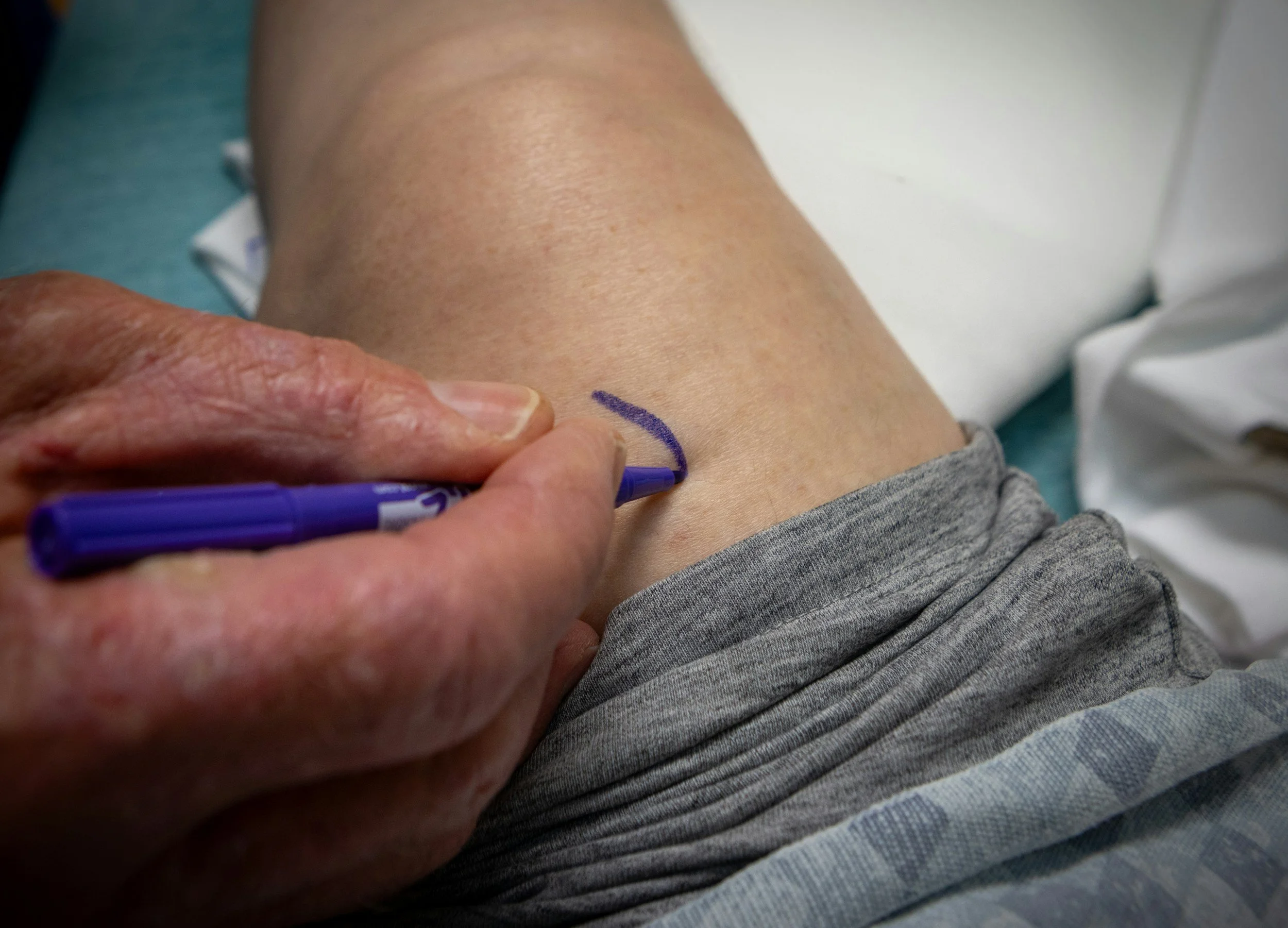
Persistent leg symptoms deserve attention when they continue beyond routine fatigue. Aching, swelling, heaviness, cramping, skin discoloration, and visible veins may point to inefficient blood return. These signs often develop slowly, which can make delay easy. Although vein disease is a common cause, a vascular evaluation can also help identify arterial conditions such as critical limb ischemia, a serious reduction in blood flow that may cause rest pain, nonhealing wounds, or tissue damage. A vein specialist can evaluate valve function, assess circulation patterns, and explain care choices before discomfort begins limiting sleep, work, walking, or daily movement.
Early Signs
Leg heaviness after standing, ankle swelling by evening, and night cramps often appear before larger vein changes. People in South Texas may seek a venous doctor in Corpus Christi when these symptoms follow a repeated pattern, since focused evaluation can connect leg discomfort with valve function, clot history, occupation, pregnancy, or inherited risk.
Symptoms That Linger
Tired legs after strenuous activity can be expected. Discomfort that returns often deserves a closer look. Throbbing, burning, itching, restless sensations, or pressure relieved by elevation may reflect venous reflux. In that condition, valves fail to close well, allowing blood to collect in lower limbs.
Visible Veins
Bulging varicose veins are clinical clues, not cosmetic details alone. Twisted surface vessels may reflect pressure inside deeper channels. Spider veins can also occur with tenderness, aching, or warmth. A specialist can compare visible findings with ultrasound results to determine whether reflux is affecting larger vessels beneath the skin.
Swelling Patterns
Swelling that affects one leg more than the other needs careful review. Shoes may feel tighter later in the day. Socks can leave clear indentations around the ankle. Puffiness that improves overnight, then returns after standing, often suggests elevated venous pressure and slower fluid clearance.
Skin Changes
Skin near the ankle may darken, itch, thicken, or feel tight when venous pressure persists. These tissue changes can signal chronic inflammation from poor blood return. Open sores, slow-healing spots, or repeated irritation needs prompt medical attention. Vein-related wounds may become difficult to heal after prolonged delay.
Pain With Standing
Venous discomfort often worsens during long periods of standing or sitting. Gentle walking may reduce pressure because calf muscles help push blood upward. Pain that limits errands, work tasks, exercise, or family routines should be assessed. Daily leg aching should never be dismissed as an unavoidable part of aging.
Risk Factors
Several conditions raise the likelihood of vein disease. Family history, pregnancy, excess weight, prior clots, leg trauma, and jobs requiring long standing can contribute. Aging may also weaken vessel walls and valve performance. Risk factors alone do not prove disease, but persistent symptoms with these traits warrant evaluation.
Why Testing Matters
A vein specialist may use duplex ultrasound to assess blood movement and valve closure. This imaging test can identify reflux, blocked flow, or other vascular concerns. Objective results reduce guesswork. They also help guide treatment based on the source of swelling, pain, or visible vessel changes.
A thorough visit may include symptom history, medication review, leg inspection, pulse checks, and ultrasound findings. The goal is to match discomfort with measurable circulation changes. That process helps distinguish vein disease from joint problems, nerve irritation, muscle strain, or arterial blood flow issues.
Treatment Timing
Earlier care can reduce progression and improve daily comfort. Conservative steps may include compression stockings, walking, leg elevation, hydration, and weight management. If symptoms persist, minimally invasive procedures may be considered. Many current treatments are performed in outpatient settings, using small access points and limited recovery time.
Sudden swelling, severe pain, warmth, redness, bleeding veins, or a nonhealing sore should be evaluated promptly. Shortness of breath with leg swelling requires urgent medical help. These signs can involve clotting or another serious condition that needs immediate assessment and treatment.
Local Care Considerations
Corpus Christi residents often benefit from care close to home. Nearby evaluation can make ultrasound testing, treatment visits, and follow-up more manageable. Local access also helps working adults, caregivers, and older patients keep appointments without long travel, especially when they need repeated monitoring or staged treatment.
Questions To Ask
Patients can ask what is causing symptoms, whether ultrasound is appropriate, and which treatments fit their condition. Useful topics include recovery time, compression use, insurance coverage, activity limits, and follow-up schedules. Clear answers help people compare options and prepare for each stage of care.
Conclusion
Persistent leg symptoms should be taken seriously when swelling, discomfort, visible veins, or skin changes continue for weeks. Venous disease can progress quietly, so timely assessment often provides clearer answers and more treatment choices. A specialist can confirm the cause, outline practical next steps, and help protect mobility. Early care supports healthier legs, fewer daily limits, and better confidence in long-term vascular health.
