
How Med Spa Oversight Ensures Safer Care and Better Outcomes
This is a contributed post.
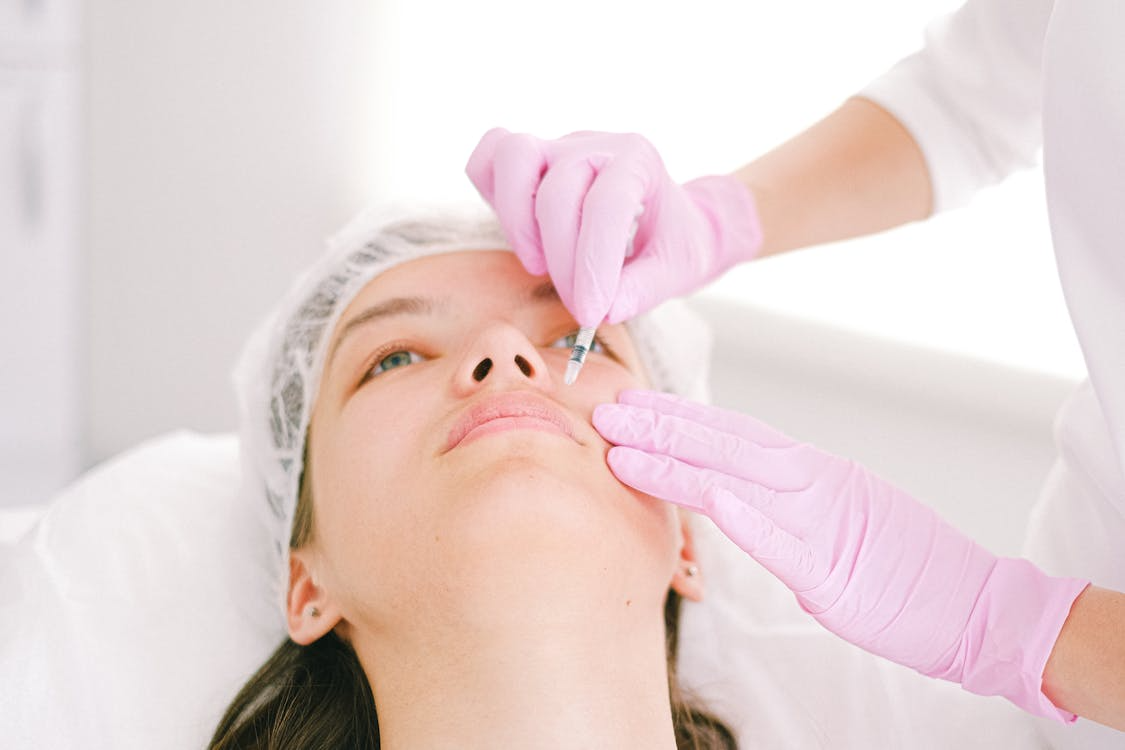
Med spas have grown quickly in recent years, offering everything from injectables to skin treatments. Clients expect results, but they also rely on clinics to provide safe and professional care. Without proper oversight, clinics risk mistakes that could harm patients or lead to legal and regulatory issues.
Many clinics address this by hiring a medical director for med spa. These licensed physicians provide clinical guidance, review protocols, and ensure that treatments follow safety standards. Their presence reduces risk and gives both staff and clients confidence in care.
The Role of a Medical Director in Clinics
A medical director ensures that treatments are performed safely and by qualified staff. They create protocols for procedures, review staff training, and monitor patient outcomes. This role is essential in med spas where non-invasive treatments can still carry medical risks.
Medical directors also manage collaborative agreements and malpractice coverage. They provide guidance when unusual cases arise and ensure staff understand limitations. Clinics without a medical director may struggle to meet state regulations, risking fines or closures.
Review protocols for all procedures
Approve new treatments and equipment
Oversee training for injectables, chemical peels, and laser therapies
This structured oversight mirrors the way consistent routines benefit families. Just as a father sets rules and monitors health habits, a medical director ensures a med spa operates reliably and safely.
Meeting Compliance and Safety Standards
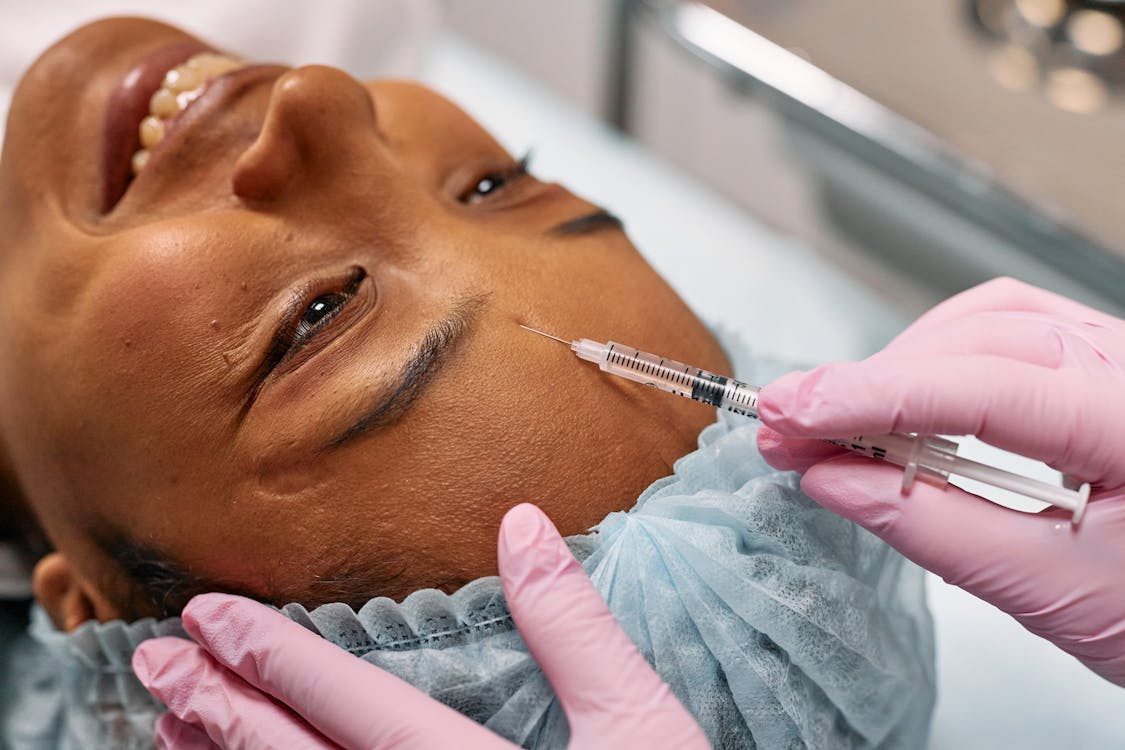
Med spas must follow state regulations and maintain documentation for inspections. Medical directors review these requirements and help clinics stay current. They ensure procedures follow evidence-based guidelines and are documented properly.
The FDA provides standards for injectables and device use, while the CDC recommends infection control practices for patient safety. Clinics that follow these guidelines reduce the chance of complications and protect both staff and patients (FDA).
By standardizing procedures, clinics create a consistent environment. Staff know exactly what to do, and patients receive predictable, safe care.
Benefits for Staff and Patients
Staff benefit from clear instructions and expert supervision. Nurses and technicians gain confidence when performing treatments under guidance. Medical directors provide feedback on protocols and troubleshoot problems before they escalate.
Patients also notice the difference. Clinics with oversight have lower complication rates, better communication, and more consistent results. This trust encourages repeat visits and positive referrals.
Reduced medical errors
Higher patient satisfaction
Consistent quality across all services
Structured oversight ensures accountability. Staff and patients alike experience fewer surprises, creating a safer and more professional environment.
Lessons for Personal Routines and Risk Management
The principles of oversight extend beyond clinics. Fathers managing families, for example, rely on structured routines to keep children safe and healthy. Setting clear rules, checking progress, and adjusting as needed mirrors a medical director’s approach to patient care.
Daily routines, like meal planning, sleep schedules, and regular exercise, help families avoid risks. Similarly, clinical oversight prevents mistakes and protects wellbeing. Both require attention to detail, consistency, and responsive adjustments.
Putting Guidance into Practice
Safe med spa operations depend on professional oversight, but the same approach applies to everyday life. Establish clear protocols, monitor outcomes, and adjust strategies when necessary. Whether managing a clinic or a household, these steps ensure better results.
Structured guidance builds confidence for staff, patients, and family members alike. Clinics that hire a medical director for med spa can maintain compliance while providing safe, reliable services. Families that follow clear routines can foster health and safety at home. Taking a disciplined approach improves outcomes in both personal and professional settings.
Related:
