
Written by Lea Collins.
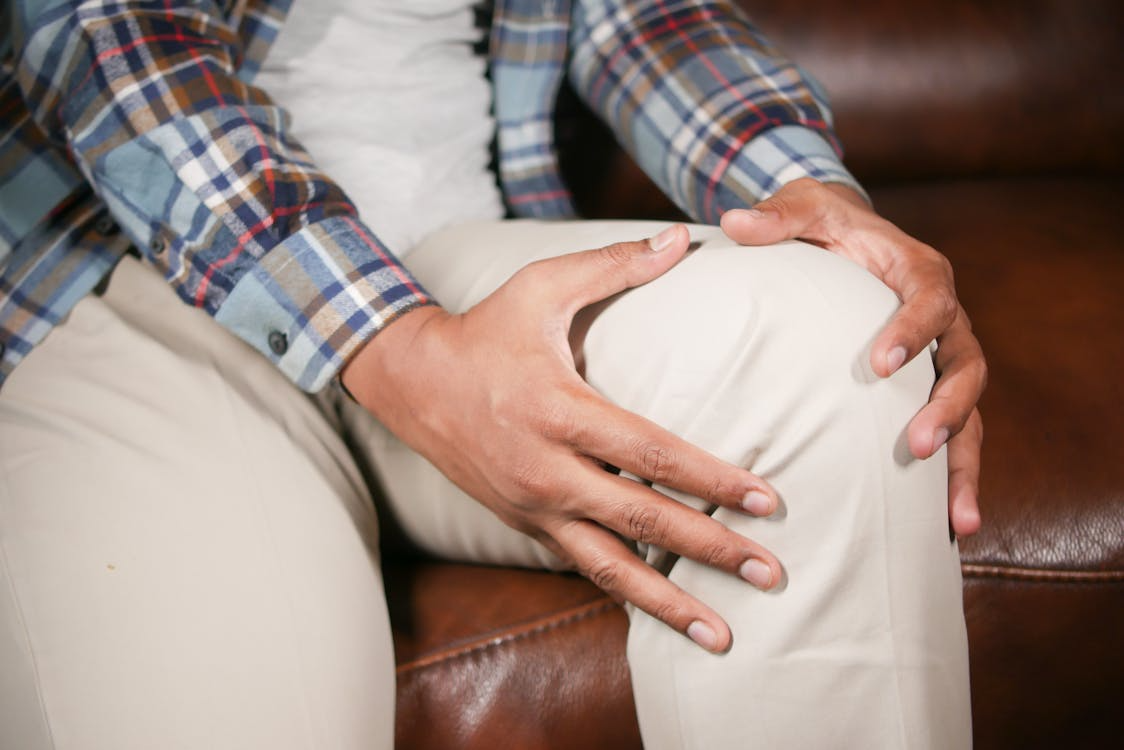
Injuries can happen during a quick misstep, a fast stop, or simple overuse. The first hours often shape how well and how quickly you recover, so knowing what to do right away matters.
Recovery is rarely one-size-fits-all. Your age, fitness level, and the type of tissue involved influence the plan. With a few smart habits and a realistic timeline, most people can return to daily life with confidence.
How Injuries Happen And Why Recovery Varies
A sudden twist, slip, or impact can strain muscles, sprain ligaments, or bruise soft tissue. Overuse adds up more quietly, stressing tendons and joints until they complain. The same move can cause very different problems depending on force, angle, and body position.
Your recovery speed depends on blood flow, tissue type, and load. Muscles usually bounce back faster than ligaments because they get better circulation. Joints heal more slowly when swelling limits motion, which is why gentle, guided movement often helps.
Think in phases rather than quick fixes. Early care protects tissues, the middle phase restores strength and motion, and the final phase rebuilds power and confidence.
Immediate Care Basics You Can Use Safely
Right after an injury, aim to protect the area, reduce swelling, and keep pain manageable. Compression and elevation help control fluid buildup. Short periods of relative rest keep things calm while you figure out the next steps.
Many experts now suggest a modern framework for soft tissue care. A recent analysis explained that PEACE & LOVE emphasizes protection, education, and gradual loading early, then optimism, vascular work, and exercise as healing moves forward. This approach avoids over-resting and supports active recovery, according to that review from Science Insights.
Ice can ease pain in the short term, but it is not a cure. Keep sessions brief and let your skin warm between rounds. If pain spikes, back off and return to gentle movement later in the day.
Protect the area from further stress
Elevate when swelling is present
Use compression wraps that are snug, not tight
Add short, pain-limited movement as tolerated
Reassess every 24 hours and adjust
Soft Tissue Strains And Sprains
Strains involve muscles or tendons, while sprains involve ligaments. Mild cases feel sore but allow limited use, and severe cases may cause instability or sharp pain. Swelling, bruising, and stiffness are common in both.
The first goal is calm, controlled motion. Start with small ranges that do not spike pain, then build to light resistance. If you can do daily tasks without a pain flare, you are likely ready to progress to harder work.
Keep track of signs that suggest you need more help. If you notice clicking, giving way, or night pain that will not settle, speak with a clinician. You can ask about local injury lawyers if the injury followed a crash or fall caused by someone else, since documentation and timing matter. Save any photos, notes, and receipts as you go.
Bruises, Contusions, And Getting Back In The Game
A direct hit often causes a contusion. The area may be tender and discolored for days, yet strength and motion can stay mostly intact. Gentle stretching and light activity usually help, as long as pain remains low.
Return-to-play after a bruise depends on pain, function, and the demands of your sport or job. One medical update noted that some athletes with simple contusions can return within minutes when symptoms are mild and strength is preserved. That guidance came from a Penn State Health News explainer focusing on practical sideline decisions.
For non-athletes, similar ideas apply. If walking, climbing stairs, and lifting common loads feel OK, everyday activity is usually safe.
Concussions And Return-To-Play Steps
A concussion is a brain injury, and it deserves careful pacing. Early on, avoid the risk of another hit and reduce heavy cognitive strain. Short walks, quiet breaks, and regular sleep support your system.
When returning to activity, follow a stepwise plan that only moves forward if symptoms stay stable. National guidance states that each stage usually lasts at least 24 hours, making the process a minimum of several days, even for mild cases. That advice comes from the CDC Heads Up program, which is aimed at safe return-to-sport.
Stop and reset the clock if headaches, dizziness, or vision issues return. Medical clearance is important before full contact or high-risk work.
Building Strength, Mobility, And Confidence
After the acute phase, the work becomes more active. Strength returns best with progressive resistance that targets weak links. Mobility improves with regular, low-fear practice rather than occasional, aggressive pushes.
Balance and coordination deserve focused time. Simple drills like single-leg stands or step-downs help rewire control. For desk workers, posture breaks and micro-movements reduce the chance of repetitive strain.
Expect a few plateaus as tissues adapt. Track what you do, how it feels, and what changes week to week.
Navigating Legal and Financial Recovery Steps
Physical healing is only one part of getting back on your feet after an unexpected accident. When injuries stem from another party's negligence, managing medical bills, lost wages, and insurance paperwork can quickly create significant stress. Taking a methodical approach to these logistical hurdles helps protect your long-term stability while your body heals.
Seeking legal representation from McAllen Personal Injury Lawyer or a similar attorney ensures that your rights remain fully protected throughout the claims process. A skilled legal professional can handle negotiations with insurance companies, evaluate the true scope of your damages, and gather essential documentation from your healthcare providers.
Putting these complex legal responsibilities in experienced hands allows you to keep your energy focused on physical rehabilitation. Securing proper guidance early on ensures a smooth recovery process, giving you total peace of mind as you focus on returning to daily life.
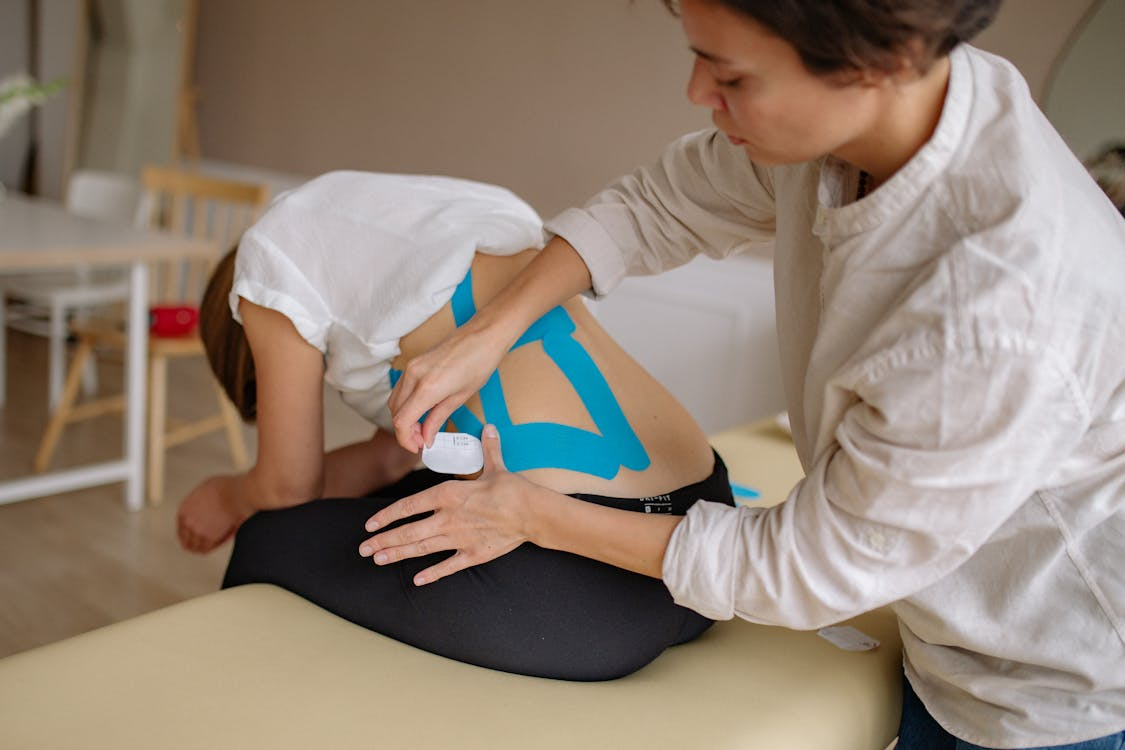
Recovery rarely follows a perfect line, but it often moves forward with consistent habits. Pay attention to pain that lingers, swelling that returns, or function that stalls for more than a few days, and adjust the plan.
Most people regain normal life and activity with time, smart loading, and rest. If someone else's actions played a role, protect your records and timeline while you heal. Stay curious, ask questions, and keep nudging progress in small, steady steps.
Related:
