
How Mouth Breathing Can Affect CPAP Therapy and Sleep Quality
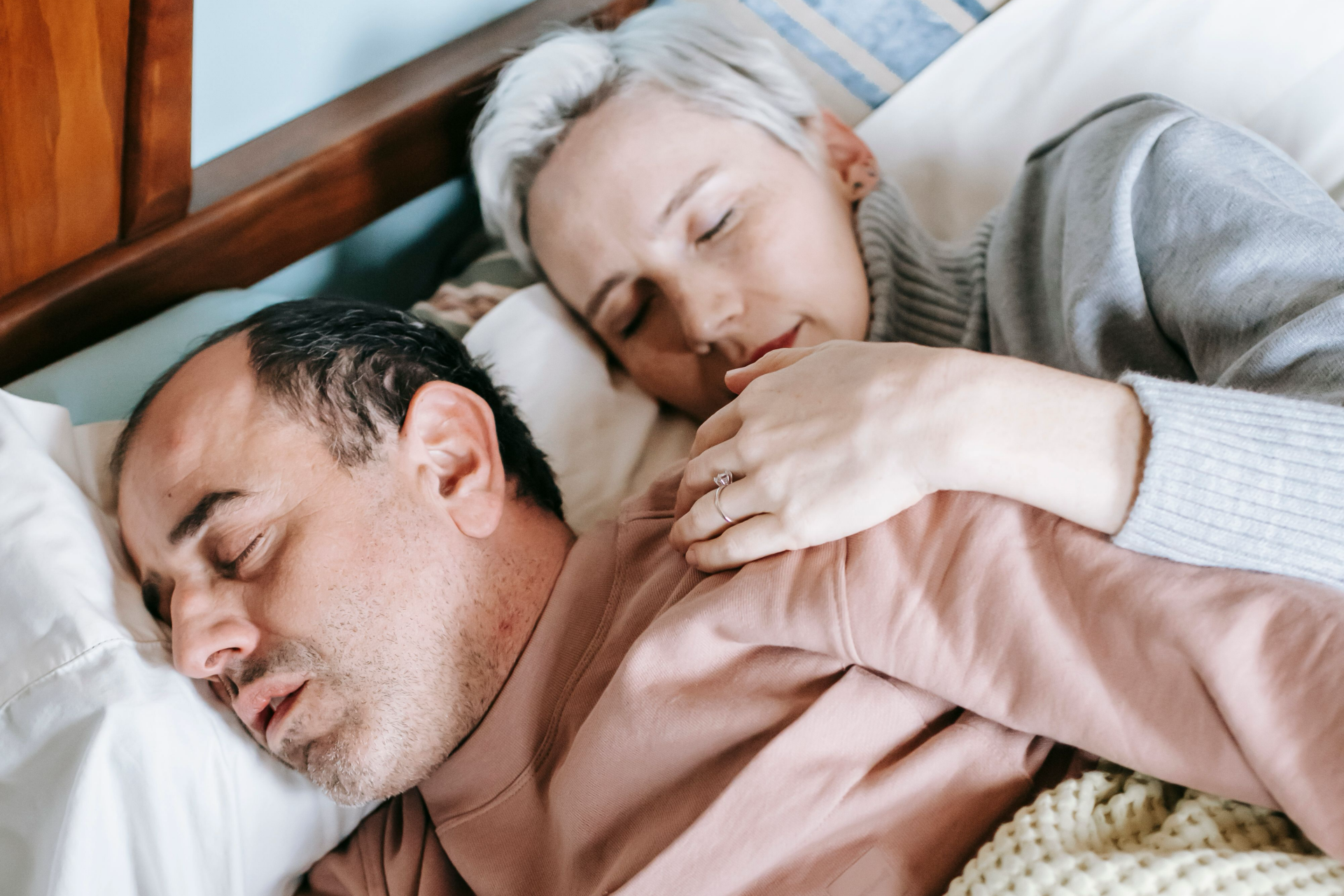
Nasal CPAP won’t be as effective if you’re mouth breathing. You can use a full-face mask to cover your mouth, but it will make sessions less comfortable and less efficient. Below, we discuss how mouth breathing affects CPAP therapy and how to address it.
What Happens if You’re Mouth Breathing During CPAP Therapy
CPAP uses steady air pressure to keep airways open. Mouth breathing lets some of that air pressure escape. What happens during your sessions depends on the type of mask you use and how frequent you’re mouth.
With a Nasal Mask or Nasal Pillows
Both the nasal mask and pillow send air only through your nose. Air pressure escapes your mouth when it opens (mouth leak). Low air pressure can cause the airways to narrow or close again. Breathing can pause, snoring comes back, and you still get apnea.
Mouth breathing also affects how long you stick with CPAP therapy. In a study, 71% of nose breathers used CPAP more than 4 hours a night. Only 30% of mouth breathers did.
With a Full Face Mask
CPAP with a full face mask covers the nose and mouth. You won’t have to worry much about mouth leaks. Some of the main downsides include:
Your mouth dries out quickly if you keep breathing through your mouth.
The mask could move at night as you sleep, causing leaks along the edges.
Some people swallow air and wake up bloated (aerophagia).
What Your AHI and Leak Rate Tell You
CPAP machines track your AHI (apnea-hypopnea index). AHI measures how often, over 10 seconds, airflow drops below 30%. The goal of CPAP therapy is to get your AHI under 5. Here’s what your AHI results mean:
Under 5: Normal
5 to 14: Mild sleep apnea
15 to 29: Moderate sleep apnea
30 or more: Severe sleep apnea
How Do I Know if I'm Mouth Breathing on CPAP?
Your body and the CPAP machine will let you know if you’re mouth breathing during a session. One of the clearest signs is waking up with a dry mouth or sore throat. The machine could also indicate high leak reading or rising AHI.
Sleep quality is affected, too. You wake up feeling tired, bloated, and groggy. Sometimes your body forces you to get up at night to grab a cup of water.
Why Do People Breathe Through Their Mouth During CPAP?
People with a chronic stuffed nose or a deviated septum are more likely to mouth breathe during CPAP. When you can’t get enough air through the nose, your mouth opens to help. Your jaw relaxing and dropping during deep sleep also contributes.
If your nose feels stuffy most nights, see an ENT (an ear, nose, and throat doctor). They can check for a deviated septum or other blockage and treat any underlying issues.
How Can I Stop Mouth Breathing on CPAP?
There are multiple ways to stop mouth breathing on CPAP. Each depends on the type of mask you’re using and your main symptoms.
Try a Chin Strap (Best for Nasal Masks and Nasal Pillows)
A chin strap is a soft band that wraps under your chin and over your head. It holds your mouth close when sleeping. The downside is that a strap might not be comfortable for people with jaw pain or TMJ.
Switch to a Full Face or Hybrid Mask
Full-face masks are the natural solution for mouth breathing. If you want something lighter, a hybrid mask covers your mouth and seals under your nose with a small cushion. This is a great option for people suffering from stuffy noses.
Ask About CPAP-Friendly Mouth Tape
If you don’t have any issues with stuffed noses, you can get a mouth tape for CPAP. In a 2025 study, mouth breathers who used silicone mouth tapes increased CPAP use by over 52 minutes. Users also reported less dryness and snoring.
Treat Nasal Congestion
This is a long-term play that will take time and testing. There could be several reasons why you’re having nasal congestion. A clear nose leads to a definite improvement in CPAP therapy. But if you have a deviated septum, you might need to undergo septoplasty.
Key Takeaways
Mouth breathing affects CPAP therapy in several ways, depending on the severity and the type of mask you’re using. Here’s a quick recap:
Mouth breathing most affects nasal masks. CPAP therapy won’t be as effective.
Full face masks help with mouth breathing, but they can leave your mouth dry and your stomach bloated.
Your CPAP machine will indicate whether you have mouth leaks based on your AHI.
The goal is to get AHI levels under 5.
You can try a chin strap, switch to a full-face mask, or use mouth tape for CPAP.
