
How Pigments in Superfoods Fight Disease
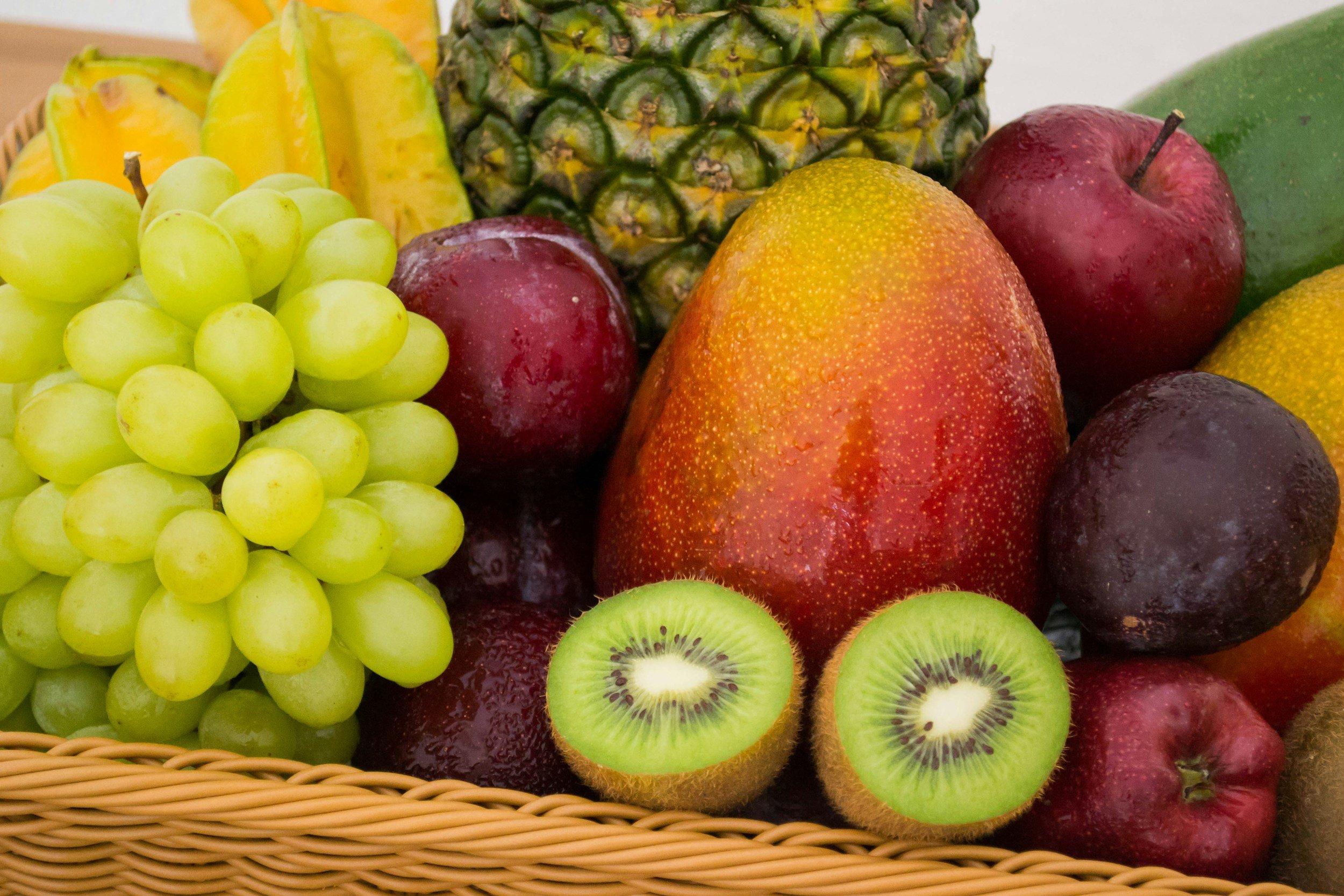
Don't Judge a Food by Its Colour... Actually, Do
Ever noticed how the most nutritious foods tend to be the most visually striking? There's something almost poetic about that. A deep purple blueberry, a vivid orange sweet potato, a bunch of greens so dark they look almost unreal. Turns out, that colour isn't just nature showing off. It's a signal. A biological flag that says "hey, something powerful is happening in here."
The pigments responsible for those colours are doing a lot of heavy lifting when it comes to human health.
So What Are These Pigments, Exactly?
The main players here are compounds like carotenoids, chlorophyll, anthocyanins, and betalains. Big words, sure, but the concept is pretty simple. Plants produce these pigments partly to protect themselves from environmental stress, UV radiation, and oxidative damage. And when humans eat those plants, a lot of that protective power gets passed along.
Think of it like borrowing armour from the plant kingdom.
Carotenoids, for instance, are what give carrots, mangoes, and tomatoes their warm red and orange tones. Beta-carotene converts to vitamin A in the body, which plays a key role in immune function and eye health. Lycopene, another carotenoid found in tomatoes, has been studied pretty extensively for its potential to reduce the risk of certain cancers, particularly prostate cancer.
Going Deeper Into the Blue and Purple End of the Spectrum
Anthocyanins are the compounds behind the blues, purples, and deep reds you see in berries, red cabbage, and acai. These are seriously potent antioxidants. Research has linked anthocyanin consumption to reduced inflammation, better cardiovascular health, and even some promising results around cognitive function and brain ageing.
Short version? Eating more purple stuff is probably a good idea.
Inflammation is kind of the root of a lot of chronic disease. Heart disease, diabetes, certain cancers. It's not the only factor, but it's a big one. Anthocyanins help the body manage that inflammatory response, which is why scientists keep coming back to them.
The Green Side of Things
Chlorophyll doesn't get talked about as much, but it probably should. It's what makes leafy greens green, and beyond that it's been studied for its potential role in detoxification, supporting liver function, and even reducing the risk of certain cancers. Wheatgrass, spirulina, and moringa are all loaded with it.
There's also something kind of fascinating about the molecular structure of chlorophyll. It's remarkably similar to haemoglobin, the compound that carries oxygen in human blood. The difference is basically just one atom at the centre. People find that genuinely surprising when they hear it for the first time.
Betalains and the Beet Obsession
Betalains are the striking red and yellow pigments in beetroot, and they've earned a lot of attention in the wellness world for good reason. They're anti-inflammatory, they support liver detoxification, and they've shown some real promise in protecting cells from oxidative stress.
Beetroot has become a staple for athletes and everyday health-conscious people alike, which is part of why so many supplements in Australia now feature it as a key ingredient alongside other pigment-rich superfoods.
Colour as a Health Strategy
Here's the thing, getting a wide variety of pigments through food is one of the more practical and enjoyable approaches to preventive health. Eating across the colour spectrum pretty much ensures a diverse range of antioxidants, anti-inflammatory compounds, and micronutrients working together in the body.
The science keeps growing, and what started as "eat your greens" has turned into something a lot more colourful than that.
Related:
