
How Snow Sports Stack Up as a Cardio and Strength Workout
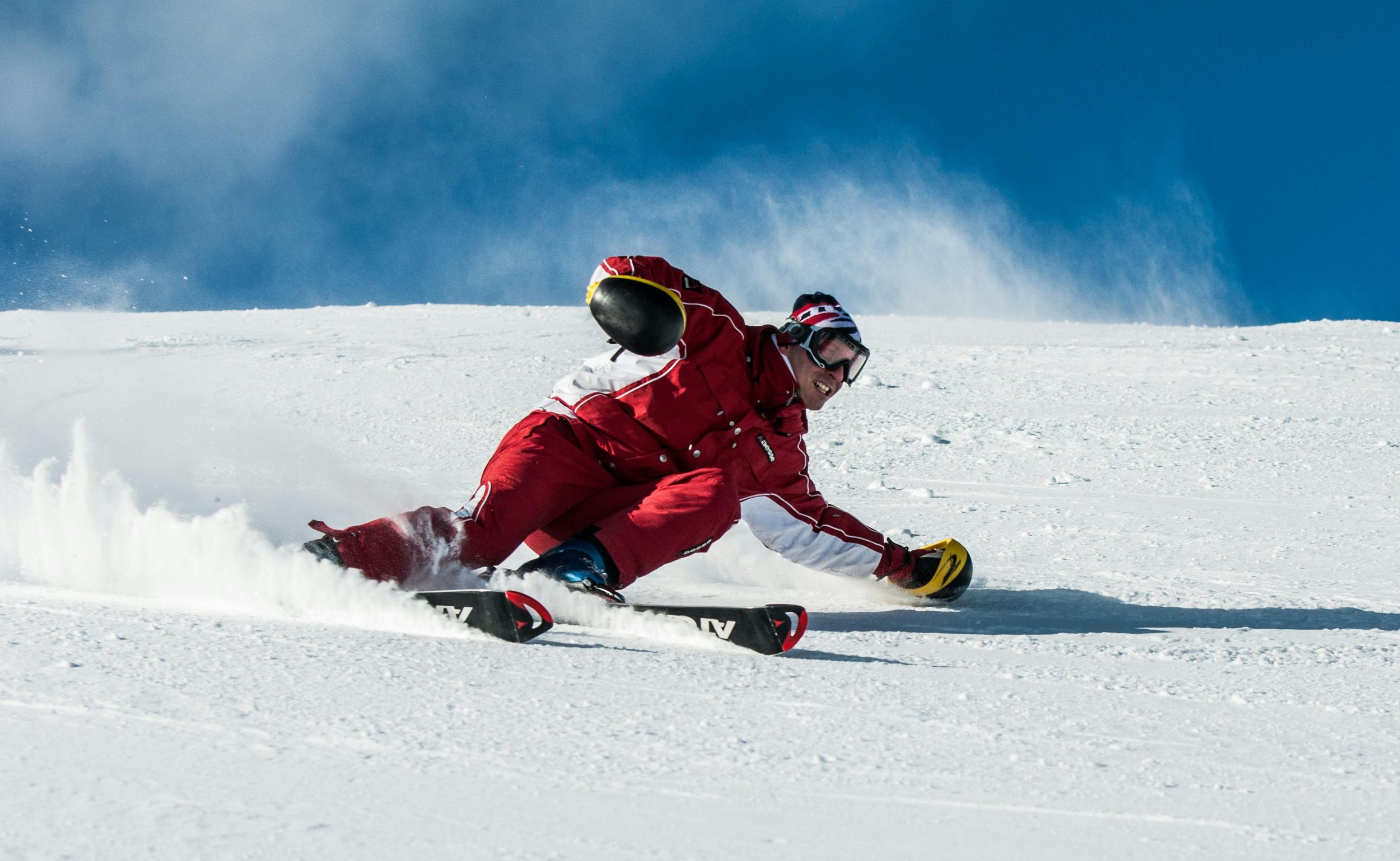
Snow sports aren't just fun — they're one of the best workouts you'll get all year.
Most skiers and boarders hit the mountain for the adrenaline. But whether you're flying downhill or cruising through the powder, you're getting an incredibly effective full-body workout without even realising it. Every lap of the lift adds up.
…but did you know:
Signing up for a reasonably priced ski season pass is the equivalent of buying yourself a gym membership with a lot better views. When it comes to getting fit for summer, booking your ski and snowboard rentals in Park City and dedicating yourself to the mountain could be one of your best investments all winter. Your body is constantly working for you whether you feel like it's breaking a sweat or not.
Topics Covered:
- The Cardio Case for Snow Sports
- What Muscles Snow Sports Actually Work
- Skiing vs. Snowboarding: The Workout Breakdown
- Cross-Country vs. Downhill: Which Burns More?
- How Snow Sports Compare to the Gym
- The Verdict Is In
The Cardio Case for Snow Sports
Snow sports provide an authentic cardio workout. In fact, the proof is in the calorie burn.
SKIING: burns roughly 500 calories hourly
SNOWBOARDING: burns about 450 calories an hour
That's right. Sliding around on snow brings a similar calorie deficit to solid cycling or rowing. That's before you start considering terrain, weight, or the intensity at which you're actually skiing.
But don't let the calorie burn fool you into thinking cardio benefits end there.
Research published in the Journal of Sports Science and Medicine shows skiing of all types can improve cardio-metabolic health — including insulin resistance, blood pressure, blood lipids, and resting heart rate. Skiers and riders eagerly chase those kinds of numbers on gym treadmills for months at a time.
By pushing hard downhill and recovering on the way up, skiing can even be considered a natural form of interval training. Never simply cruising, your heart rate stays elevated the entire time you're on the mountain.
What Muscles Snow Sports Actually Work
Here's what makes snow sports far more than just a cardio workout.
While skiing and boarding will get your heart rate up, they force you to use every major muscle group in your body at the same time. Your legs are doing the majority of the work but skiing isn't just a lower-body workout. Here's the muscles at work every time you set foot on the mountain:
- QUADS — constantly engaged to keep you sitting in the ski or board position
- HAMSTRINGS AND GLUTES — driving your turns and stabilising your hips
- CALVES AND ANKLES — controlling the pressure on your edges and cushioning impacts from the terrain
- CORE MUSCLES — keeping your entire body stable as you absorb every bump, turn, or transition on the mountain
Snowboarding relies just as much on core strength to keep riders switching their weight from heel to toe with every turn. Most skiers use their arms, shoulders, and upper back constantly when poling on flat sections of a run. It's truly a full-body workout most people don't realise until the day after.
Skiing vs. Snowboarding: The Workout Breakdown
Both sports pack a punch but they aren't working you quite the same way.
SKIING: intensively works the quadriceps. The bent-knee position required to ski is similar to a wall sit you're holding for however long you're on the mountain. Each leg is moving independently, so skiers must maintain single-leg stabilisation from the glutes and hamstrings at all times. It's tough on your lower body. And beginners will feel it.
SNOWBOARDING: spreads the workload more evenly between your lower body and core muscles. Balancing on a board while standing on one foot activates every muscle that stabilises the hips, knees, and ankles. Snowboarders may have a bigger core workout than skiers thanks to the repetitive edge-to-edge movements required to initiate turns.
Really, there's no definitive answer. Skiing and boarding are both listed as having equal value by the Compendium of Physical Activities when it comes to overall energy expenditure. Both will absolutely challenge your muscles if you're new to either sport.
Cross-Country vs. Downhill: Which Burns More?
Cross-country skiing is an entirely different beast when it comes to cardio.
Most people find cross-country skiing burns up to 850 calories per hour at a moderate pace — way past downhill because there are no breaks on the uphill. Cross-country skiers power themselves for every metre they travel, forcing their arms, legs, and core to work in unison the entire time.
Many fitness experts consider cross-country skiing one of the best aerobic workouts you can do anywhere. Top-level cross-country skiers produce some of the highest-ever recorded VO2 max scores in any sport. To say it's a phenomenal cardiovascular workout is an understatement.
Downhill skiing offers its cardio rewards in bursts. Powder days and intense moguls spike that heart rate way up. Downhill just happens to be shorter interval training versus cross-country's longer steady-state cardio. Each sport has its merits.
How Snow Sports Compare to the Gym
What is certain is that a full day on the mountain can hold its own against any trip to your local gym. For the majority of people it's also much easier to get outside and stay motivated doing something that doesn't feel like a workout.
Consider what skiing or snowboarding does for hours at a time:
- Requires your lower body to engage under load for extended periods of time
- Forces you to make hundreds of turns that challenge balance and neuromuscular coordination
- Elevates your heart rate for long enough that you see real cardio benefits
- Activates your core on par with weight lifting or pilates
One study out of the Scandinavian Journal of Medicine & Science in Sports even discovered just 12 weeks of skiing improved balance, aerobic capacity, strength, and power for adults ages 60–76. Now that's impressive.
You could make the argument that spending the day skiing works harder at keeping you coming back. Nothing motivates like loving what you do. And when you love skiing there's no reason you can't make it part of your annual workout routine.
The Verdict Is In
Snow sports are an incredibly effective form of exercise. Period.
Thanks to reasonably priced ski season passes there's never been a better time to get hooked up with a pair of skis (or a snowboard) and start shredding down a mountain. Not only will you build cardiovascular fitness and lower-body strength, but you'll improve your core stability in the process. All while having the time of your life.
Here's your heart-pumping, sweat-inducing, fitness recap for what a day on the mountain provides:
- Cardio: Between 450–850+ calories burned per hour depending on the sport
- Strength: Quads, glutes, hamstrings, calves, and abs all engaged
- Interval Training: Built into the downhill runs
- Longevity: Helps you improve key health markers that can benefit your balance and cardio for years to come
Choose your fighter, secure the gear and let battle begin.
Related:
