
How to Build Functional Strength Without Putting Stress on Your Joints
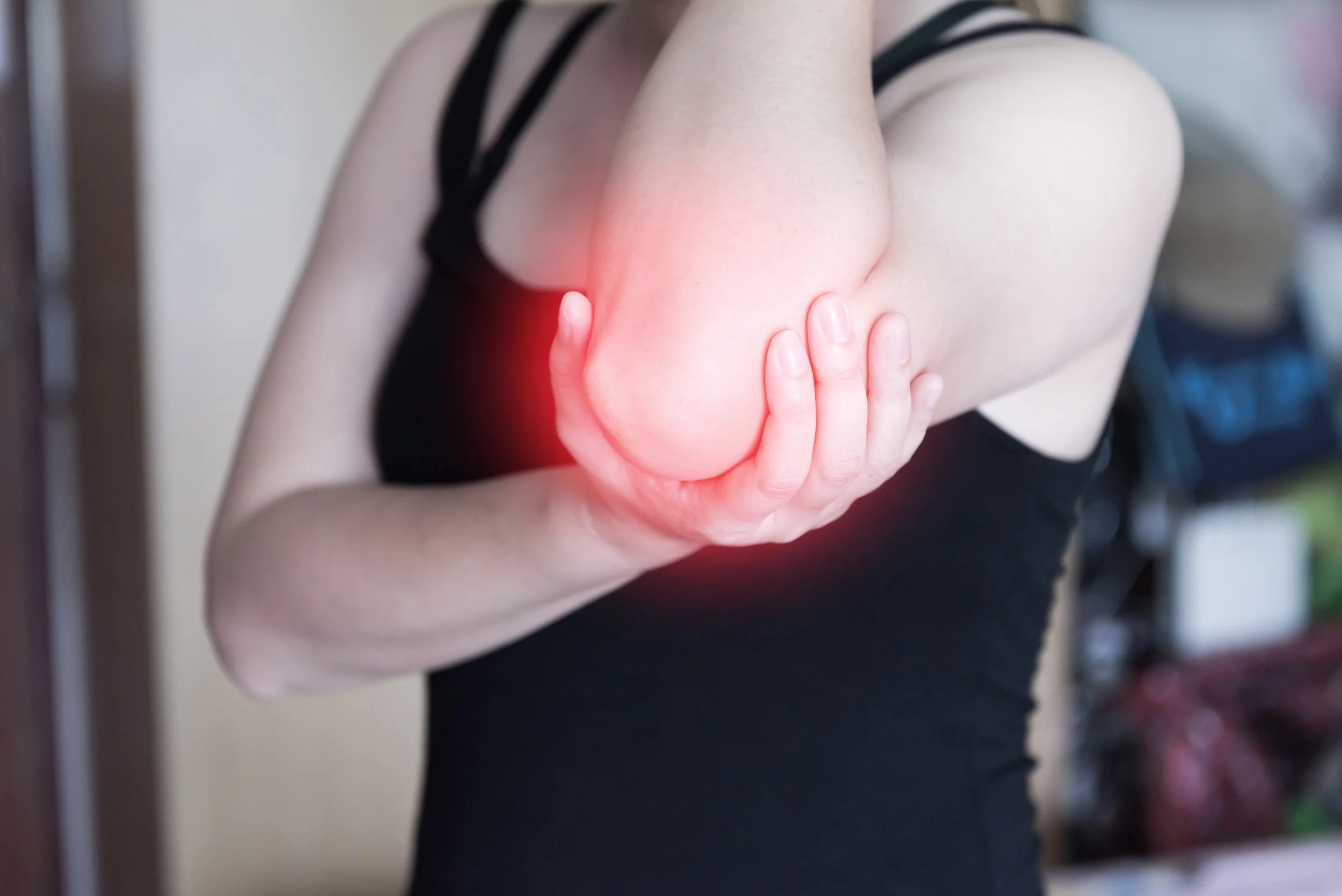
Want to get stronger without paying for it with joint pain?
Building REAL functional strength means lifting heavy weights, doing high impact cardio, and doing workouts that leave the body aching for days. Well here's the issue...
Does that train leave a lot of folks behind quickly? Yeah. Achy knees. Painful hips. Weak shoulders.
The best part? There's a better way - and it doesn't require pulverizing the joints.
What's Covered Below:
What Is Functional Strength?
The Low Impact Pilates Table Explained
Why Low-Impact Training Actually Works
5 Methods to Build Strength Without Joint Stress
Mistakes That Kill Progress
What Is Functional Strength?
Functional strength is useful strength. It's what you need to get up out of chairs, lift groceries, and climb stairs without grimacing.
It depends on:
- Deep core stability
- Hip and glute strength
- Balance and coordination
- Full-range mobility through key joints
When the body functions optimally, movement is enhanced. Everything works better. And most importantly... pain decreases.
The Low Impact Pilates Table Explained
This is where things get really interesting.
The low impact pilates table is one of the best — and least utilized — tools for developing functional strength without stressing the joints. Instead of regular mat exercises, an Alliance Pilates table provides spring-loaded resistance and complete postural support throughout the entire range of every movement.
That's why the pilates trapeze table should be on everyone's radar when investing in an injury-safe training space. Designed with a full size Cadillac frame, with height adjustable springs, push through bars and straps for your arms and legs — you have the ultimate support with total adjustment of resistance and range of motion.
Why does that matter for joint health?
- Spring resistance loads the muscles without compressing the joints
- The frame maintains proper alignment throughout every exercise
- Movements are fully adjustable — intensity is never sacrificed for safety
- It trains stability and strength simultaneously, which is functional training in a nutshell
Whether dealing with an injury or illness, or just training smarter for longevity — the low impact pilates table allows the body to build functional strength without wear and tear.
Why Low-Impact Training Actually Works
Here's something most people get completely wrong...
Low-impact doesn't mean low-intensity. Low-impact means your joints aren't taking a beating from repetitive compressive force. The muscles can still get an intense workout — often more intense because you're taking every movement slower and more controlled.
Statistics reveal a rather obvious fact. 1 in 7 US adults have osteoarthritis. And 30% of adults over 65 specifically have knee osteoarthritis, and those numbers are only increasing. That's millions of people suffering from joint pain that impacts their day-to-day life.
Low-impact training directly addresses both sides of that problem:
- Protects joints from repetitive impact forces that cause damage and accelerate wear
- Strengthens the muscles that support and stabilise those joints day to day
- Builds long-term consistency — training that doesn't hurt gets repeated
Studies support this. After looking at 67 randomized controlled trials, researchers found that Pilates came in first place as the most effective intervention for decreasing pain and improving physical function in people with knee osteoarthritis across several validated measures of these outcomes. What's more, nearly 44% of American adults with arthritis say their condition limits their ability to do their normal daily activities. The consequences of ignoring the health of your joints are very much real.
Low-impact isn't a consolation prize. It's often the smarter long-term strategy.
5 Methods to Build Functional Strength Without Joint Stress
Here are five methods that consistently deliver results...
1. Spring-Based Pilates Table Training
Utilizing a low impact pilates table is the most comprehensive exercise on this list. The spring resistance follows movement patterns experienced in real life minus the loading of free weights or impact exercise.
Work leg presses, spinal mobility, hip abductions/adductions, overhead presses, rows, etc. Scale the intensity of each movement up or down as you need. Never compromise joint safety.
2. Bodyweight Core Strengthening
The BEST joint protector you can have is a strong core. It stabilizes your spine, supports your hips and alleviates pressure on your knees with every move your body makes all day long.
Planks, bridges, dead bugs, supine leg lowering strengthen your deep stabilisers that each joint relies on. Requires no equipment. No impact on joints.
3. Resistance Band Training
Resistance bands give you 100% control of resistance throughout the whole range of motion without compressing the joints. Bands are ideal for strengthening muscles around your knee, shoulder and hip joint - the 3 joints most susceptible to damage from overuse and wear and tear.
Start with light resistance, focus on form, and progress gradually. Simple, but it works.
4. Aquatic Exercise
Water is one of the most joint-friendly training environments available.
Buoyancy decreases joint compression forces while the resistance of water strengthens muscles efficiently and safely. One RCT found mat Pilates appreciably increased functional status scores and decreased pain in senior females with knee osteoarthritis — and water workouts utilize the same concept of low impact exercise.
Swimming for just 20 to 30 minutes two or three times per week can create a difference you can measure.
5. Mobility and Flexibility Work
Tight muscles pull joints out of alignment. That's how overuse injuries develop.
Mobility work every day - hip flexor stretches, thoracic rotations, ankle circles, shoulder rolls - helps joints move freely and stay injury free during training. Mobility isn't about pursuing vanity flexibility goals. It's about maintaining joint health so you can continue training week after week.
Mistakes That Kill Progress
Even the best joint-friendly training plan can go sideways with a few common errors...
Neglecting the warm-up. Just because it's low-impact doesn't mean your body is prepped to perform cold. Load those joints up with five to ten minutes of mobilization before anything else.
Neglecting the stabilisers. We tend to focus on exercising the large muscle groups, but we often ignore the smaller stabilising muscles. The ones working overtime each day just to keep your joints safe - you should train them too.
Training sporadically. Being sedentary actually promotes joint inflammation over time by causing the muscles around your joints to weaken. Consistent frequent workouts far exceed those of an occasional hard workout. Consistency is key.
The Takeaway
Building functional strength without putting stress on the joints is completely achievable.
It doesn't require superhuman effort or fancy programs. It just requires choosing the right tools, moving mindfully, and being consistent.
To quickly recap:
- Use a low impact pilates table for spring-based, joint-friendly resistance training
- Build core strength as the foundation for protecting every joint in the body
- Supplement with resistance bands, aquatic exercise, and daily mobility work
- Train consistently — even shorter sessions compound into significant results
The methods are proven. The path forward is clear. Start moving smarter.
Related:
