
Exploring Modern Wellness Trends and Natural Alternatives
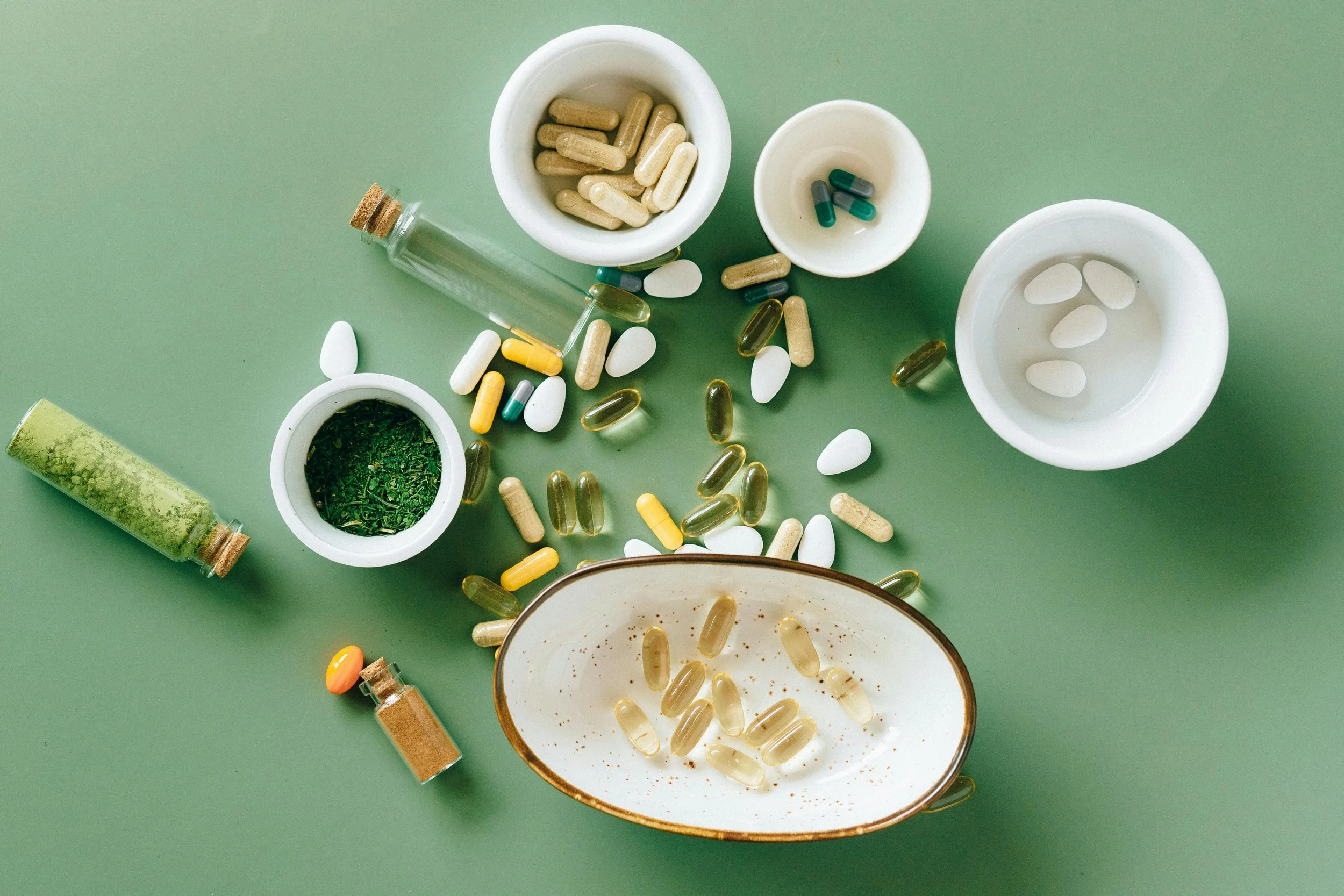
Wellness today looks very different from what it did just a decade ago. People are no longer focused only on quick fixes or short-term solutions. Instead, there’s a growing interest in building long-term habits that support both physical and mental well-being. From mindful routines to natural products, the idea of wellness has become more personal and flexible.
Many individuals are paying closer attention to what they eat, how they manage stress, and the products they use daily. There’s also a noticeable shift toward simpler, more natural approaches. Rather than relying heavily on synthetic options, people are exploring alternatives that feel more aligned with their lifestyle and values.
This change is not just a trend—it reflects a deeper desire to feel balanced and in control of one’s health. As more options become available, people are curious about what works best for them. To better understand this shift, it’s helpful to look at how natural alternatives are shaping modern wellness choices.
The Rise of Natural Alternatives in Wellness
One of the biggest changes in recent years is the growing interest in natural alternatives. People are becoming more aware of ingredients and how different products affect their bodies. This awareness has led many to explore plant-based options and wellness solutions that feel more gentle and balanced.
Natural alternatives are often seen as a way to support overall well-being without relying on overly complex routines. Whether it’s herbal supplements, plant-based diets, or simple lifestyle adjustments, the focus is on creating sustainable habits that fit into daily life.
As part of this shift, many individuals are exploring new types of wellness products that combine convenience with natural ingredients. For example, options like magic mushroom gummies have started to gain attention among people looking for approachable and easy-to-use alternatives that may support relaxation and mood balance. These kinds of products reflect how wellness is evolving into something more accessible and adaptable.
Alongside herbal products, some people also incorporate amethyst crystals into their mindfulness and meditation routines. While not a substitute for medical care, natural amethyst crystals and jewellery from Crystalili can complement personal wellness rituals and meditation practices for those who enjoy incorporating them into their routines.
At the same time, it’s important to approach these options with awareness. Understanding how products are made and how they fit into your routine can help you make better choices. Natural alternatives are not about replacing everything overnight—they’re about finding what works best for you in a thoughtful and informed way.
How Lifestyle Changes Are Shaping Wellness Trends
Modern lifestyles have a strong influence on how people approach wellness. Busy schedules, long work hours, and constant digital exposure can make it difficult to maintain balance. As a result, many individuals are looking for ways to create healthier routines that fit into their daily lives.
Simple practices like setting aside time for relaxation, improving sleep habits, and staying active are becoming more common. Activities such as yoga, meditation, and mindful breathing are gaining popularity because they help reduce stress and improve focus.
People are also becoming more intentional about how they spend their time. Instead of following rigid routines, they are creating flexible habits that support both productivity and well-being. This shift shows that wellness is not just about physical health—it’s about creating a balanced lifestyle.
The Role of Nutrition and Functional Foods
Nutrition plays a major role in overall wellness. What you eat directly affects how you feel, both physically and mentally. Because of this, many people are paying closer attention to their diets and making more mindful choices.
Functional foods, which offer added health benefits, are becoming increasingly popular. These include items that support energy levels, digestion, or overall balance. Plant-based diets and organic options are also gaining attention as people look for cleaner and more natural ways to nourish their bodies.
The focus is not just on cutting out unhealthy foods but on adding options that support long-term health. Small changes, such as including more whole foods or staying hydrated, can make a noticeable difference over time.
By understanding the connection between nutrition and well-being, individuals can build habits that support both immediate and lasting benefits.
Digital Influence on Wellness Choices
The digital world has made wellness information more accessible than ever. Social media platforms, blogs, and online communities are filled with advice, tips, and product recommendations. This has made it easier for people to discover new ideas and explore different approaches to health.
However, this access comes with challenges. Not all information online is reliable, and trends can spread quickly without proper understanding. It’s easy to follow popular ideas without considering whether they are suitable for your needs.
At the same time, digital platforms can be helpful when used wisely. They provide opportunities to learn, connect with others, and find inspiration. The key is to approach information with a critical mindset and focus on what truly aligns with your goals.
Balancing curiosity with caution allows you to benefit from digital resources without feeling overwhelmed.
Balancing Natural Alternatives with Safety
While natural alternatives can be appealing, it’s important to approach them with care. Not every product or trend will work for everyone, and understanding your own needs is essential.
Reading labels, researching ingredients, and consulting professionals when needed can help you make informed decisions. This ensures that your choices are safe and suitable for your lifestyle.
It’s also important to avoid expecting immediate results. Wellness is a gradual process, and changes often take time. Being patient and consistent is more effective than trying multiple solutions at once.
Safety and awareness go hand in hand with exploring new options. By staying informed, you can enjoy the benefits of natural alternatives while minimizing risks.
Personalizing Your Wellness Routine
One of the most important aspects of modern wellness is personalization. There is no single approach that works for everyone. Each person has different needs, preferences, and goals.
Creating a routine that fits your lifestyle makes it easier to stay consistent. This might include a mix of healthy eating, regular activity, relaxation techniques, and thoughtful product choices.
Listening to your body is key. Paying attention to how you feel and adjusting your routine accordingly helps you find what truly works for you. This flexible approach allows wellness to become a natural part of your life rather than a strict set of rules.
By focusing on what feels right for you, wellness becomes more sustainable and enjoyable.
Modern wellness is evolving in a way that allows individuals to explore options that feel right for them. The growing interest in natural alternatives reflects a desire for balance, simplicity, and long-term well-being.
By focusing on mindful choices, staying informed, and building consistent habits, it’s possible to create a lifestyle that supports both physical and mental health. Wellness is not about following trends—it’s about understanding your needs and making decisions that align with them.
As more people embrace this approach, wellness becomes less about perfection and more about progress. With the right mindset, it’s possible to create a routine that feels natural, sustainable, and truly beneficial.
Related:
