
How to Choose a First Aid and CPR Course: A Guide for Dads
A choking scare at dinner or a close call at the pool can make first aid training feel urgent.
A practical course gives dads a chance to learn emergency skills, ask questions, and practise with guidance. For new fathers, it belongs on the same list as other newborn care basics like feeding and safe sleep.
The hard part is picking one. Course names look alike, formats vary, and some classes issue a completion card while others do not.
Here is how to choose training that fits your family, your schedule, and any work or volunteer requirements.
Key Takeaways
Match the course to your kids' ages. Look for infant and child CPR, choking response, and automated external defibrillator (AED) use.
Decide whether you need a card. Family preparedness and job or volunteer requirements may call for different courses.
Prioritise hands-on practice. Choose training that lets you practise on manikins and receive feedback.
Plan to refresh. Many completion cards are valid for two years, but skills can fade sooner without practice.
Why a Pediatric-Focused Course Is Worth It
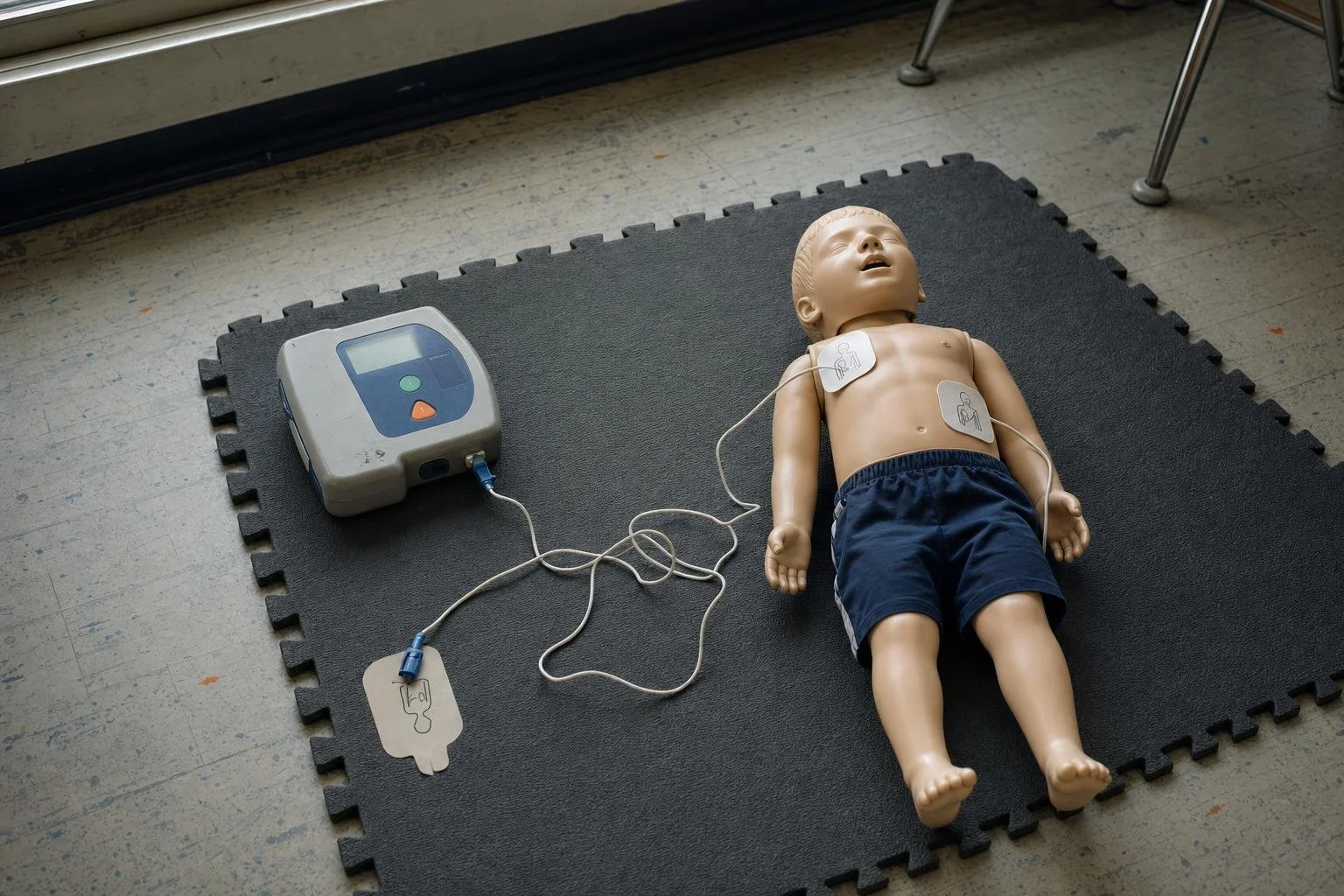
Look for a course that includes infant and child CPR, choking response, and pediatric first aid.
Ask whether you'll practise those skills on age-appropriate manikins rather than only watch a demonstration.
If you also care for older relatives, a course covering adults and children may be a better fit.
Do You Need a Certification Card?
For family preparedness, a non-certification class may be enough.
The American Heart Association (AHA) offers Family & Friends CPR, which teaches CPR skills without issuing a course completion card.
If you coach, volunteer at school, work in childcare, or need training for a job, ask the organisation which course and credential it accepts.
The Heartsaver Pediatric First Aid CPR AED course is one option designed for parents and caregivers, but the title alone does not guarantee it meets your requirements.
For Australian readers in Sydney, compare options such as First Aid Courses Sydney for public classes and workplace group bookings.
Pick the Right Scope
Parents of infants and toddlers: Look for pediatric first aid plus infant and child CPR, choking response, and AED practice.
School and youth sports volunteers: Check the school or league's requirements for first aid, child and adult CPR, and AED use.
Healthcare or clinical roles: Basic Life Support (BLS) is intended for healthcare professionals and other designated responders. If a job asks for BLS, don't assume a general CPR course will substitute.
Choose the Format
In-person. You complete the coursework and practical training with an instructor. This can suit parents who prefer to ask questions as they learn.
Blended. You complete the theory online, then attend a hands-on skills session. This can reduce time in the classroom, but you'll still need to schedule both parts.
Online-only. These courses can introduce or refresh information, but an online certificate may not satisfy workplace or volunteer requirements.
For example, the Red Cross states that its online-only Adult and Pediatric First Aid/CPR/AED course does not meet OSHA workplace certification requirements.
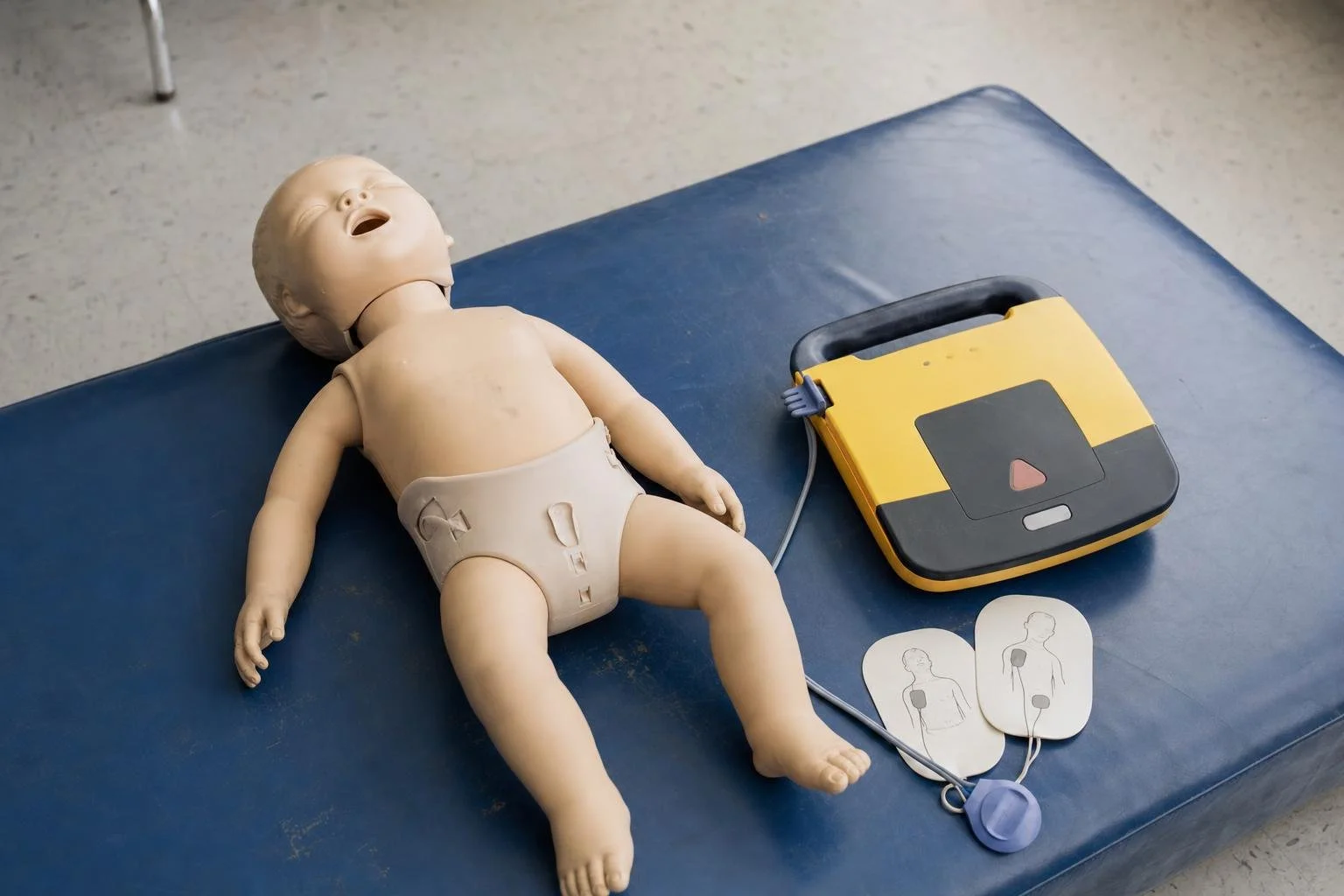
For CPR training, prioritise a format with practical feedback. Check for evening or weekend sessions near home or work, and confirm that the advertised price includes any required skills assessment.
What to Look for in a Class or Provider
Pediatric content, including infant choking response and AED use for children, if your family needs it.
Hands-on manikin practice with instructor or device feedback.
Enough equipment and practice time for each participant.
A verifiable completion record accepted by your organisation, if required.
Clear instructions for online preparation and a transparent rescheduling policy.
On-site group options if daycare or team parents want to train together.
Course materials that reflect current resuscitation guidelines.
How Often to Refresh
A two-year card does not guarantee two years of readiness. CPR skills can fade within months, especially without practice.
Treat the renewal date as a credential requirement, not your only reminder to review.
Set a reminder every few months to revisit the course materials, or ask about a short practical refresher between renewals.
Practise compressions on a manikin, not a family member. Workplaces may require a different refresher schedule, so check your own requirements.
Booking in the U.S.
The AHA Training Center finder and the Red Cross class finder are useful starting points.
Compare the exact course title, age groups covered, hands-on requirements, and completion record.
If you need training for work or volunteering, get confirmation that the course is accepted before booking.
For Readers in Australia
Australian courses use a different qualification system, so U.S. certification advice does not transfer directly.
Common nationally recognised units include HLTAID009 for CPR, HLTAID011 for first aid, and HLTAID012 for first aid in education and care settings.
Check which unit your workplace or role requires.
In Sydney, First Aid Coach lists four public training locations and offers on-site group bookings, giving parents options for individual or shared training.
First Aid Coach says its training is delivered on behalf of a registered training organisation (RTO).
In Perth and regional Western Australia, RTS Training offers blended learning that combines online theory with practical assessments, alongside on-site courses across the state.
These formats can suit parent groups or workplaces. RTS Training partners with an RTO for its accredited courses.
With any provider, confirm the unit code, issuing RTO, total duration, practical assessment requirements, and certificate timing before booking.
Before Class
Check the provider's joining instructions for identification requirements and anything you need to bring.
Wear clothes you can comfortably kneel in, as practical work may take place on the floor. If kneeling is difficult, ask about access needs before attending.
For blended courses, finish the online modules by the stated deadline and bring proof of completion if requested.
Note any questions about your children's ages or care arrangements so you can raise them with the instructor.
A Practical Way to Decide
Choose a course that covers the people you care for, includes hands-on practice, and meets any formal requirements. Then compare the total cost, preparation time, and available dates.
