
How to Equip a Gym for Shoulder Training?
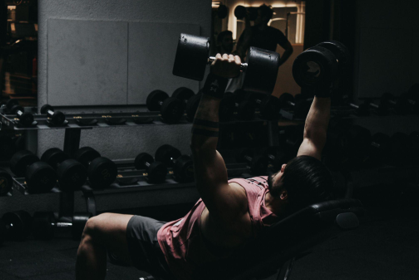
Strong, well-defined shoulders start with the right equipment, yet most gyms build their setup around pressing movements and leave the side and rear delts underserved. Equipping a gym for shoulder training means covering all 3 deltoid heads with a mix of machines and free weights, not just adding another overhead press. This guide walks through the muscles you're training, the machines and free weights that matter most, and how to plan the layout and budget so every angle of the shoulder gets worked.
What Equipment Do You Need to Train the Shoulders Effectively?
Training the shoulders effectively takes equipment that loads all 3 deltoid heads through their full range of motion. The front delts respond to pressing, but the side and rear delts need isolation work that presses alone can't deliver. A complete shoulder setup pairs stable, guided machines with versatile free weights so lifters can build both strength and shape.
The side delts are where most setups fall short, since pressing stations rarely load them directly. That's why a dedicated isolation tool belongs in any serious shoulder area, and manufacturers like Atlantis Strength build a commercial-grade lateral raise machine made to hold up under constant daily use. Having one on the floor means lifters can train shoulder width with consistent tension, rep after rep, without leaning on momentum.
The Essential Machines for Deltoid Development
Machines give lifters a fixed movement path, which makes them ideal for isolating the delts without recruiting the lower back or momentum. A shoulder press machine covers the front and side delts under heavy, stable load. A dedicated lateral raise machine targets the side delts, the head most responsible for shoulder width, with consistent tension through the whole rep. A reverse pec deck or rear delt machine rounds out the setup by hitting the rear delts, which most lifters neglect. Together, these 3 machines cover every function of the shoulder.
Free Weights That Round Out a Shoulder Setup
Free weights add the variability machines can't. A pair of adjustable dumbbells handles seated presses, lateral raises, and rear delt flyes from dozens of angles. A barbell or EZ bar supports overhead presses and upright rows for heavier compound work. Cable stations bring constant tension to lateral and rear delt raises, filling the gap between fixed machines and free dumbbells. Stock these alongside the machines and lifters can train shoulders from every direction.
Understanding the Shoulder Muscles You're Training
Smart equipment choices start with knowing what the shoulder actually does. The deltoid is a single muscle with 3 separate heads, and each one moves the arm in a different direction. Miss one head and the shoulder looks incomplete, no matter how strong the other two get.
How Do the Three Deltoid Heads Function?
The anterior, or front, deltoid raises the arm forward and assists in every pressing movement. The lateral, or side, deltoid lifts the arm out to the side and creates the rounded, capped look that widens the frame. The posterior, or rear, deltoid pulls the arm backward and stabilizes the shoulder during pulls. Because each head has its own job, no single exercise trains all 3 well, which is why equipment variety matters.
Why Does the Lateral Deltoid Drive Shoulder Width?
The lateral deltoid sits on the outside of the shoulder, so building it pushes the frame wider and creates the V-taper most lifters want. Pressing movements lean heavily on the front delt and barely touch the sides, which is why shoulders can look flat even after months of overhead work. Direct side-delt work, especially lateral raises, is the fastest way to add visible width. That's why a tool built specifically for that movement earns its place on the floor.
How Do Machines and Free Weights Compare for Shoulder Training?
Both machines and free weights build strong shoulders, but they do different jobs. Machines control the path and isolate the target muscle, while free weights demand stabilization and let the joint move naturally. The strongest setups use both rather than choosing one.
When Should You Choose a Machine Over Dumbbells?
Machines win when the goal is safe, repeatable isolation, especially for higher-rep side and rear delt work where form breaks down under fatigue. They also suit beginners who haven't built stabilizer strength yet, and busy gyms that need equipment to survive constant daily use. When a lifter wants to overload the side delts without swinging the weight, a guided machine keeps the tension where it belongs.
Combining Machines and Free Weights for Balanced Growth
A balanced program alternates the two. Lifters can open a session with heavy dumbbell or barbell presses for overall mass, then move to machines for controlled isolation of the side and rear delts. This order lets them push hard on compound lifts while fresh and finish with strict, joint-friendly isolation work. The combination trains strength, size, and shoulder health at once.
How Should You Plan a Shoulder Area's Layout and Budget?
Equipment only works if it fits the space and the budget. A shoulder training area needs room for both machines and free-weight movements, plus clear traffic flow so lifters aren't crowding each other. Planning the layout before buying prevents wasted floor space and duplicate purchases.
How Much Space Does Shoulder Equipment Require?
Each selectorized machine needs roughly its own footprint plus room to enter and exit, so plan for open space around every unit. Dumbbell work needs a clear zone where lifters can raise their arms fully to the sides without hitting a rack or a neighbor. Cable stations need clearance for the cables to travel. Mapping these zones early keeps the area usable as it fills up.
Prioritizing Equipment for a Commercial Gym
When budget is limited, buy for coverage before variety. Start with 1 shoulder press machine, 1 lateral raise machine, and adjustable dumbbells, since those pieces cover all 3 delt heads. Add a rear delt machine and cable station as the budget grows. For commercial gyms, durability matters more than quantity, because machines that survive years of heavy use cost less over time than cheaper units that need replacing.
Building a Complete Shoulder Training Station
A complete shoulder station brings the pieces together into one efficient zone. Position the pressing machine and a dumbbell bench for compound work, then cluster the lateral raise machine, rear delt machine, and a cable station for isolation. Keep the dumbbells within a few steps so lifters can superset freely. Arranged this way, the station lets a lifter train front, side, and rear delts in a single circuit without hunting for equipment across the floor.
Key Takeaways for Equipping a Space for Shoulder Training
Equipping a gym for shoulder training comes down to covering all 3 deltoid heads with durable, well-chosen equipment. Machines deliver safe isolation, free weights add versatility, and the two together build strength, size, and balance. Prioritize the essentials first, plan the layout around real movement space, and invest in equipment built to last. Do that, and the shoulder area will serve lifters of every level for years.
Frequently Asked Questions About Shoulder Training Equipment
What Is the Best Machine for Lateral Raises?
The best option is a dedicated lateral raise machine, which guides the arms out to the sides and keeps constant tension on the side delts through the full rep. It removes the momentum that often creeps into dumbbell raises, so the target muscle does the work. For gyms, a commercial-grade unit built for heavy daily use is the smart long-term choice.
Can You Build Shoulder Width Without Machines?
Yes, lifters can build width with dumbbells and cables alone by focusing on lateral raises and rear delt work. Machines just make that isolation easier to control and repeat, especially under fatigue. Free weights work well when someone trains with strict form and progressive overload.
How Many Shoulder Machines Does a Commercial Gym Need?
Most commercial gyms cover shoulder training well with 3 machines: a shoulder press, a lateral raise machine, and a rear delt or reverse pec deck. That trio hits all 3 deltoid heads. Adding cables and adjustable dumbbells gives lifters the variety to keep progressing.
