
10 Recovery Supplies Every Tummy Tuck Patient Should Have
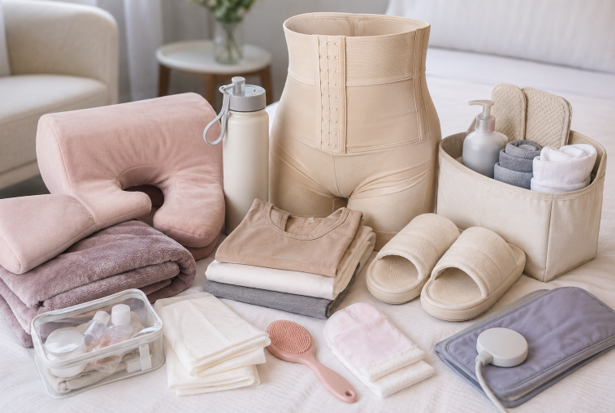
Photo by Rajesh Rajput on Unsplash
Getting ready for a tummy tuck is exciting, but the days that follow surgery are where the real work happens. Most people spend weeks researching surgeons and almost no time thinking about what home recovery actually looks like. That's usually the part that catches people off guard — sore muscles, limited mobility, and a long list of small daily tasks that suddenly feel hard.
Having the right recovery supplies for tummy tuck patients ready before surgery day can make a noticeable difference in how smooth those first two weeks feel. Some patients put this list together item by item, while others prefer starting with a pre-assembled option which can save a few extra errands during an already busy pre-surgery week. Either way, none of these items are complicated or expensive on their own, but forgetting even one or two can mean an inconvenient trip to the pharmacy while you're still sore and moving slowly. Here's a practical rundown of what tends to matter most.
1. Absorbent Underpads
Drainage and minor leakage are normal after abdominoplasty, and protecting your mattress or couch is one of those things people don't think about until it's too late. Large, disposable underpads placed under your resting area save you from worrying about stains or extra laundry during a time when you already have enough to manage.
They're inexpensive, easy to find, and honestly one of the more overlooked items on any pre-surgery checklist. Buying a pack of these ahead of time means one less errand for whoever is helping you during recovery.
2. ABD Pads and Gauze
Your incision needs consistent, clean coverage in the first couple of weeks, and ABD pads combined with basic gauze are the standard for that. These absorb fluid without sticking to the wound, which helps avoid unnecessary discomfort during dressing changes.
Most surgeons will mention this in their post-op instructions, but it's easy to underestimate how many you'll actually go through. Having a decent stock on hand from day one removes one more thing to think about.
3. Medical Tape
Soft, skin-friendly medical tape is what keeps your dressings in place between changes. Regular tape can irritate healing skin, so it's worth having a roll specifically made for post-surgical use rather than grabbing whatever is in a kitchen drawer.
This is a small detail, but it matters more than people expect. Skin right around an incision is sensitive, and the wrong adhesive can cause redness or peeling that slows healing down.
4. Compression Garment
A compression garment supports your abdomen, helps manage swelling, and plays a real role in how your final results settle. Surgeons are usually specific about how many hours a day it should be worn, especially in the first few weeks.
It can feel tight and a little uncomfortable at first, but most patients say it becomes more tolerable within a few days. Having a spare on hand isn't a bad idea either, since you'll likely be wearing it almost constantly while the first one is being washed.
5. Leg Lifter Strap
Getting in and out of bed without straining your core is harder than most people expect after a tummy tuck. A leg lifter strap loops around your foot and lets you lift your leg using your arms instead of your abdominal muscles, which protects the repair while you heal.
It sounds like a minor tool, but patients who've used one often mention how much easier those first few nights become. It's a small investment that directly reduces strain on the surgical site.
6. Female Urinal or Bathroom Aids
Standing fully upright isn't possible for the first several days, which makes ordinary bathroom trips more difficult than usual. A female urinal designed for standing use can genuinely reduce nighttime stress and unnecessary movement.
It's not the most glamorous item on this list, but it's one of the most practical. Anyone who has gone through this recovery will tell you it's worth having nearby, especially for the first week.
7. Drain Holder
If your surgeon places drains, you'll need somewhere secure to keep them so they don't tug or pull with movement. A dedicated drain holder pouch, often worn around the waist or clipped to clothing, keeps things organized and reduces accidental strain.
This is one of those supplies that seems unnecessary until you're actually dealing with drains for the first time. Once you understand how much they can move during normal activity, the value becomes obvious.
8. Scar Care Products
Scar treatment usually starts a few weeks after surgery, once your incision has closed properly, but it's worth having products ready in advance. Silicone-based gels or sheets are commonly recommended by surgeons to help scars fade more evenly over time.
Results vary from person to person, and your surgeon's specific guidance should always come first. Still, having something on hand means you're not scrambling to find the right product once you're cleared to start.
9. Hydration and Medication Organizer
Staying hydrated and keeping track of medication schedules matters more than people expect during recovery, especially in the foggy first few days. A water bottle with a built-in pill organizer helps you stay consistent without relying on memory alone.
This is a simple convenience item, but simple is exactly what you want right after surgery. Fewer decisions and fewer things to remember make the whole process feel more manageable.
10. Comfort Items for Sitting and Sleeping
A seatbelt pillow for car rides, extra pillows for elevated sleeping, and a grabber tool for reaching things without bending are small additions that add up. Recovery isn't just medical, it's also physical comfort, and those details shouldn't be an afterthought.
Setting up a recovery space with these items before surgery day means you're not asking someone to run out and buy them while you're trying to rest. It's a small amount of preparation that pays off quickly.
A Few Final Thoughts
Every recovery looks a little different depending on the extent of your surgery and your surgeon's specific instructions, so it's always worth confirming your personal list with your care team. That said, these ten categories cover most of what patients consistently mention needing during the first two to three weeks.
Some patients prefer to buy items individually, while others look for a pre-assembled kit to avoid last-minute shopping trips. Companies like JDCare USA put together bundles that cover most of this list in one order, which some people find more convenient than sourcing everything separately — though either approach works fine as long as you have what you need before surgery day.
