
How to Find Emergency Dental Care and What to Do Before You Go
A knocked-out tooth or a swollen jaw at 8 p.m. can make even a calm parent feel unsure. The good news is that many family dental emergencies follow a simple pattern: take a few careful steps in the first ten minutes, call the right provider, and know when the emergency room is the safer choice.
This guide walks through that plan. You will learn how to tell a true emergency from a problem that can wait, how to find urgent dental care quickly, what to do while you wait, and what to bring when you go.
Key Takeaways
Minutes matter for some injuries. A knocked-out permanent tooth has the best chance if it is handled gently and kept moist, with care sought as soon as possible, ideally within about 30 minutes (AAE).
Know the ER red flags. Trouble breathing or swallowing, or facial swelling with fever, means calling 911 or going to the emergency room (Mayo Clinic).
Call a dentist first for most problems. You can search the ADA Find-a-Dentist directory, the InsureKidsNow locator for kids, or an HRSA-funded health center.
Use over-the-counter pain relief safely. For teens and adults, NSAIDs alone or with acetaminophen can be effective interim options (ADA). Never place aspirin on the gums.
Antibiotics are not always needed. Most dental pain and localized swelling in otherwise healthy adults does not need antibiotics unless infection is spreading (ADA/CDC).
Is It Really an Emergency?
A dental emergency is any mouth injury or infection that needs prompt attention to save a tooth, stop bleeding, or control a spreading infection. Common examples include a knocked-out tooth, a broken tooth with sharp edges or pain, uncontrolled bleeding after an injury, or a severe toothache with swelling.
Some situations go beyond the dentist. Call 911 or head to the emergency room right away if there is trouble breathing or swallowing, or if there is facial swelling with fever and you cannot reach a dentist. Mayo Clinic flags these as signs that an infection may be spreading and needs urgent medical care.
For most other problems, call a dentist first. Dental offices handle these situations every day and can often guide you over the phone.
How to Find Urgent Dental Care Fast
When something happens, work through these options in order.
1. Call your regular dentist. Many practices reserve time for emergencies and will fit you in or tell you where to go. Even after hours, the office voicemail may list an on-call number.
2. Use the ADA Find-a-Dentist directory. The ADA maintains a searchable directory of dentists, and you can filter by location, specialty, and language to find someone nearby.
3. For kids on Medicaid or CHIP, use the InsureKidsNow Dentist Locator. It helps families find dentists who see children and accept those programs.
4. If cost is a barrier, look for an HRSA-funded health center. These centers provide health and dental care regardless of insurance status and connect to a national Health Center finder.
Location matters too, and it helps to know what a useful emergency dental page includes before you need one. If you are in South Australia, for instance, you can find emergency dental care in Adelaide through a clinic page that explains common emergencies, what to expect, and simple first-aid steps. Use pages like that as a reference for the kinds of questions to ask, not as a promise of immediate availability.
Whatever provider you reach, keep the goal in mind: get the right care for the injury, not just the fastest phone answer.
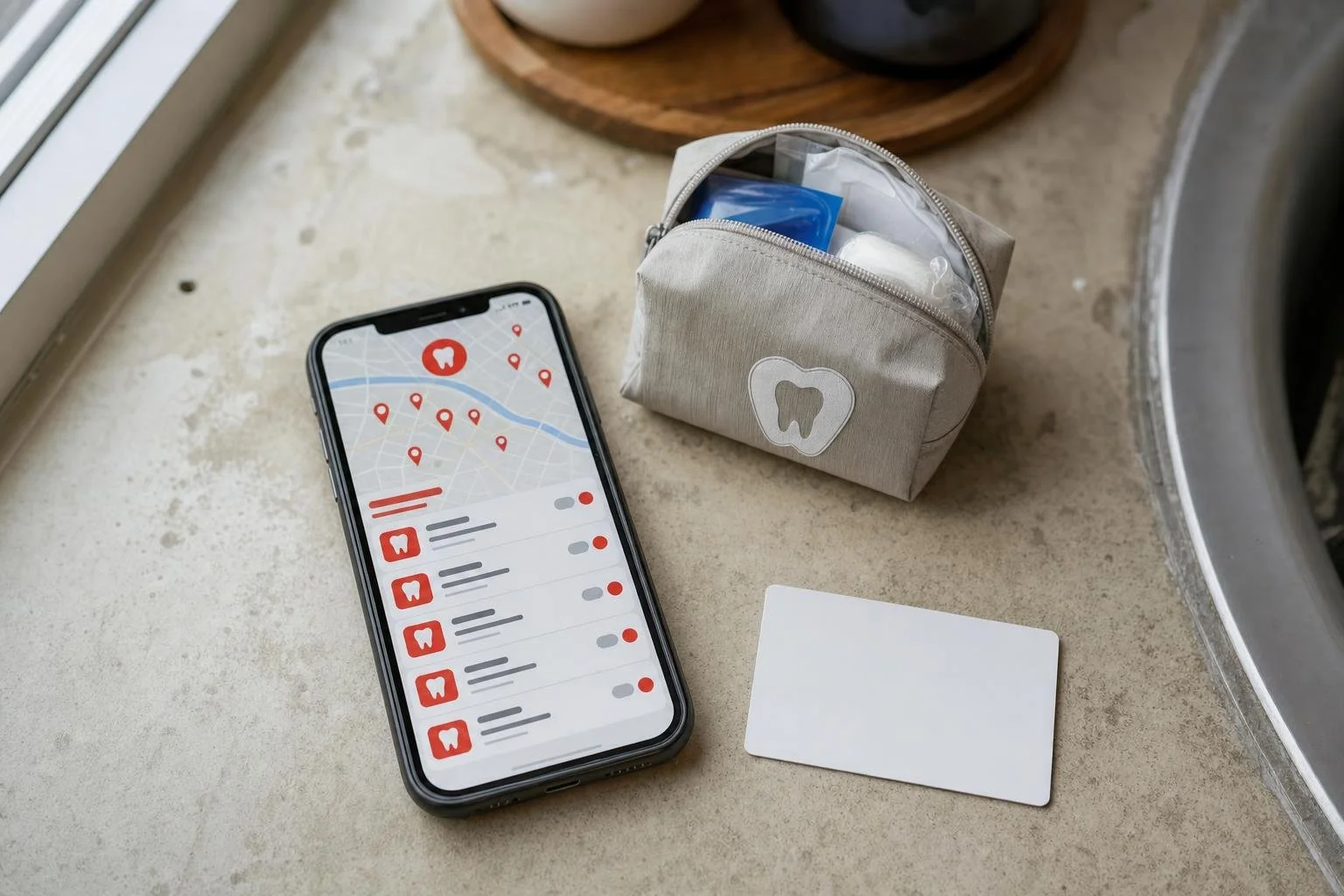
What to Do Before You Go
Once you have a plan for care, use the wait wisely. A little preparation can make the visit smoother.
Call ahead and describe the symptoms. Mention any red flags, when the injury happened, and whether a tooth was knocked out. This helps the office prepare.
Phoenix-area families can call an Emergency Dentist in Surprise, AZ and ask whether same-day care is available.
Gather the basics. Bring a photo ID, insurance details if you have them, and a written list of current medications, allergies, and important medical conditions. The ADA recommends having this information ready so the team can treat you safely.
Transport any tooth or fragments correctly. Keep them moist and protected. More on the exact method for a knocked-out tooth is below.
Do not put aspirin on the gums. Placing aspirin against a sore tooth or gum tissue can cause a chemical burn and does not relieve the problem. For children, do not give aspirin at all.
Ask about eating and drinking. Do not assume you should skip food. Call the office and ask what they recommend before your visit.
Scenario Quick-Actions
Here is what to do for the most common family dental emergencies. Keep each step simple and gentle.
Knocked-Out Permanent Tooth
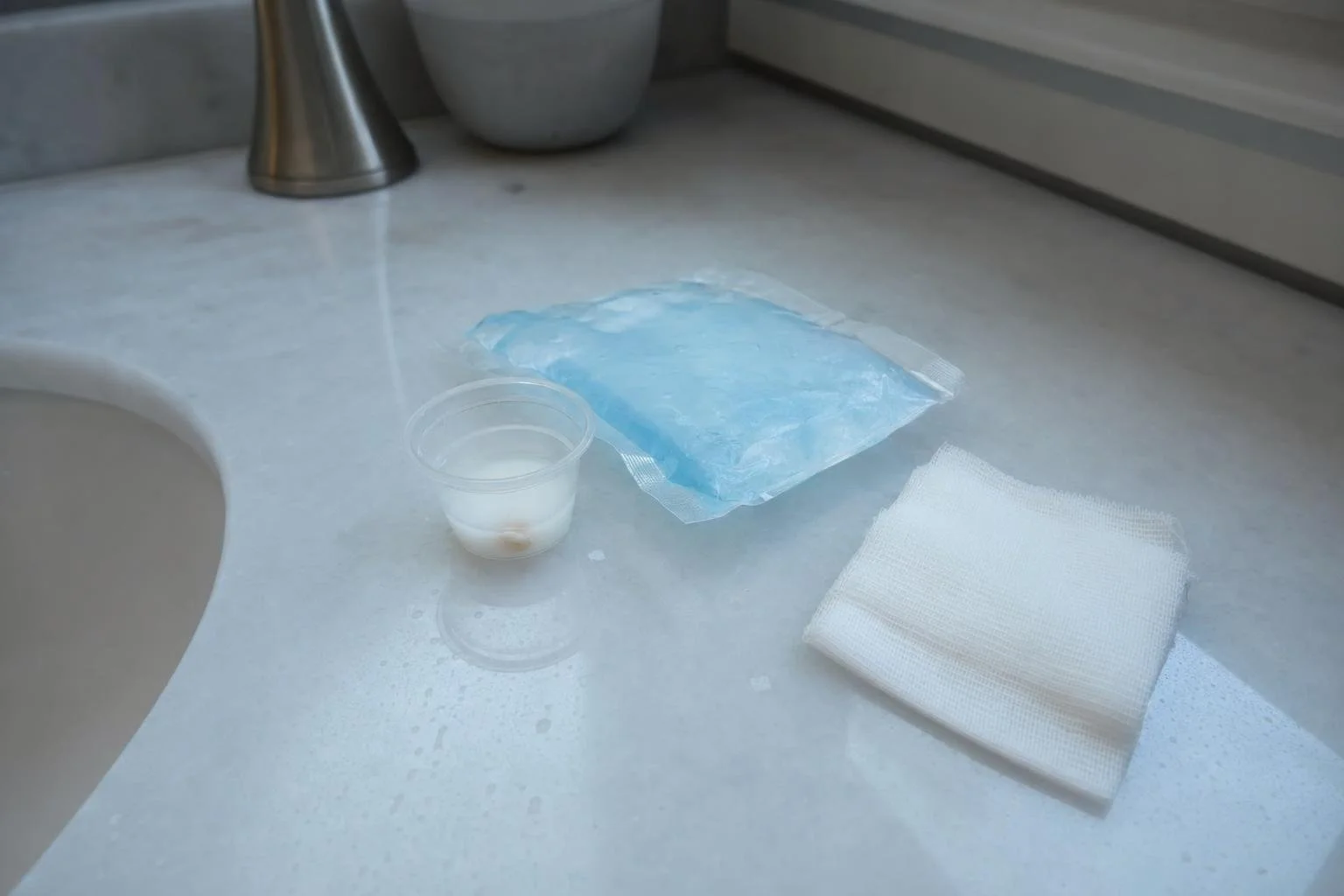
Pick the tooth up by the crown, which is the chewing surface, not by the root. If it is dirty, rinse it briefly without scrubbing. If you can, place it gently back into the socket and have the person bite on clean gauze to hold it. If reinsertion is not possible, keep it moist in milk, in the cheek pouch, or in an ADA-accepted tooth-preservation kit. The AAE advises acting within about 30 minutes for the best chance, so get to a dentist right away.
Knocked-Out Baby Tooth
Do not try to reinsert a baby tooth. Pediatric guidance from HealthyChildren.org is clear on this point because reinserting can harm the developing permanent tooth. Comfort your child, control any bleeding with gentle pressure, and call a dentist promptly.
Cracked or Chipped Tooth
Rinse the mouth with warm water and apply a cold compress to reduce swelling. If you find fragments, save them in milk if available. Avoid chewing on that side and call your dentist to be seen.
Severe Toothache or Swelling
Rinse gently with warm salt water and floss carefully to remove any trapped food. A cold compress on the outside of the cheek can ease discomfort. Use over-the-counter pain relief if it is safe for the person, and arrange urgent dental care. Go to the ER if there is fever with facial swelling or any trouble breathing or swallowing.
Object Stuck Between Teeth
Use floss to work it loose. Never use pins, needles, or other sharp tools, which can injure the gums. If it will not come free, call your dentist.
Bitten Lip or Tongue
Clean the area gently and apply a cold compress. Most bites stop bleeding on their own. If bleeding will not stop, the ADA advises going to the emergency room.
Pain Control That Is Evidence-Based
For toothache pain in adolescents and adults, the ADA's living guideline points to NSAIDs, such as ibuprofen or naproxen, used alone or combined with acetaminophen, as effective interim options when you cannot get to a dentist immediately.
A few cautions matter. Follow the label directions and check for health conditions or allergies that would rule out a medication. Avoid accidentally doubling up on the same ingredient in combination products. For children, use pediatric guidance and dosing based on the child's weight and age as directed on the label, and ask a pharmacist or provider when in doubt.
On antibiotics, ADA and CDC guidance is worth remembering. Most tooth pain and localized swelling in otherwise healthy adults should be managed with a dental procedure and over-the-counter pain relief, not routine antibiotics. Antibiotics may be needed when there are systemic signs, such as fever, or when a deeper, spreading infection is suspected. That is a reason to seek urgent evaluation quickly.
After the Visit
Depending on the problem, the dentist may drain an infection, perform a root canal, repair or splint a tooth, or in some cases remove it. Follow-up care is part of the plan, so keep any recommended appointments.
Prevention That Pays Off
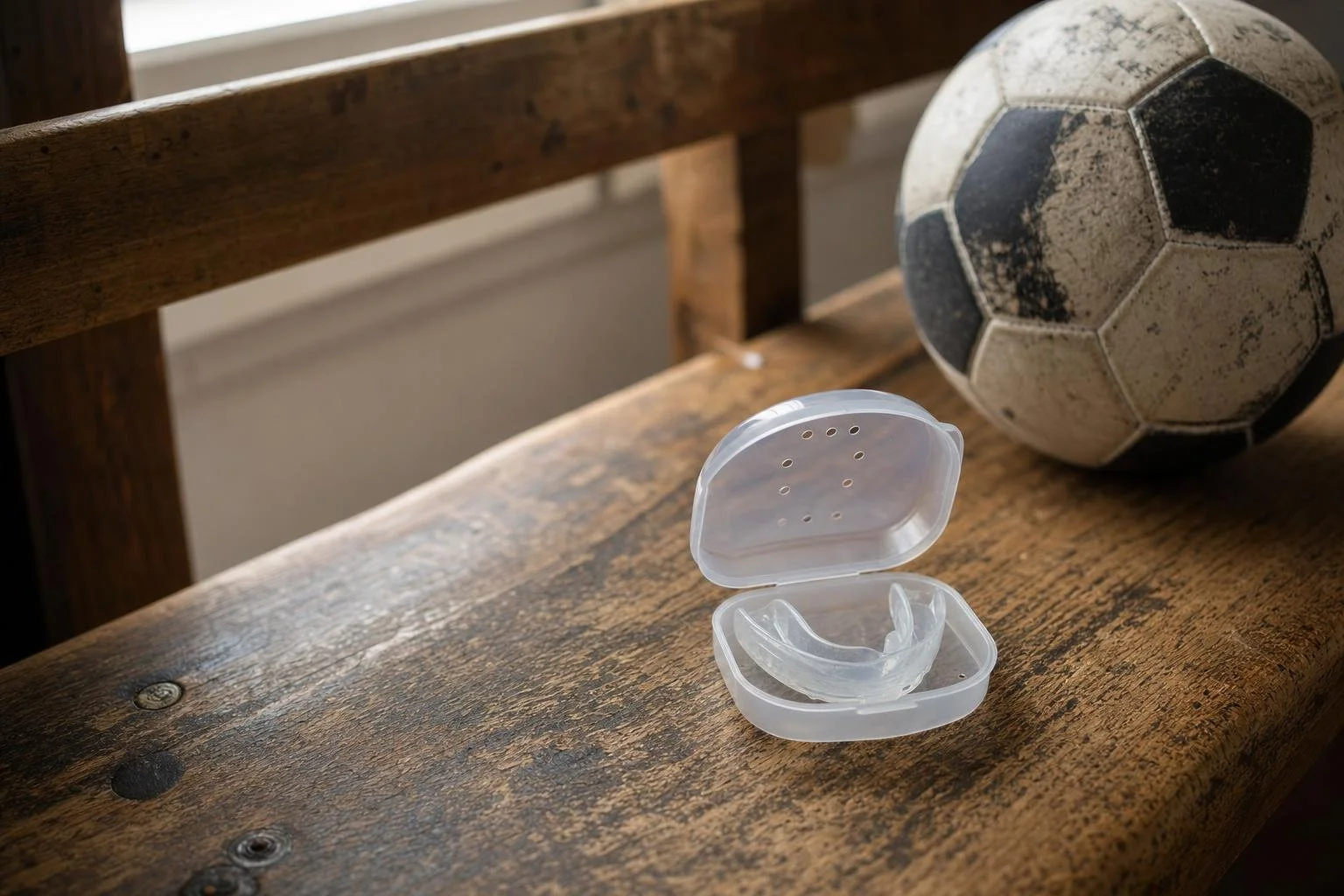
Many family dental emergencies are avoidable. Use a properly fitted mouthguard for sports, avoid chewing on ice, pens, or hard candy, keep regular checkups, and make sure every child has a dental home, which means an ongoing relationship with a dentist.
Putting It All Together
When a dental emergency hits, the first ten minutes carry a lot of weight, but they do not have to be frantic. Check for red flags first: trouble breathing or swallowing, or facial swelling with fever, means the emergency room. For a knocked-out permanent tooth, handle it by the crown, keep it moist, and get to a dentist quickly. A baby tooth should never be reinserted.
For most other problems, call a dentist first, use a cold compress and over-the-counter pain relief as appropriate, and skip the aspirin-on-the-gums myth. Save the ADA Find-a-Dentist directory, the InsureKidsNow locator, and your local health center in your phone now, so finding care later is one less thing to manage.
