
How to Rebuild Safer Driving Habits After a Drug-Driving Offense
A drug-driving charge can feel overwhelming, especially if you are the person who handles school runs, work commutes, and weekend errands. It can also be a turning point. With a clear plan, you can meet your legal requirements, protect your family, and rebuild driving habits you can keep.
This article is educational, not legal or medical advice. Laws and required steps vary by state and country, so always follow the instructions from your local court and licensing authority. If medication is involved, talk to your doctor or pharmacist before you drive.
What Drug-Impaired Driving Actually Means
In plain terms, driving is illegal when your ability is affected by an impairing substance. That includes prescription medicines, over-the-counter products, and illicit drugs. In the United States, this standard applies in all 50 states and Washington, D.C.
Combining substances can increase the risk. Polydrug use may intensify impairment compared with using a single substance, which is why a mix of a prescription medicine and alcohol, for example, can catch drivers off guard. The habits below are built around one simple rule: if there is any chance you are impaired, do not drive.
Stabilize the First Week
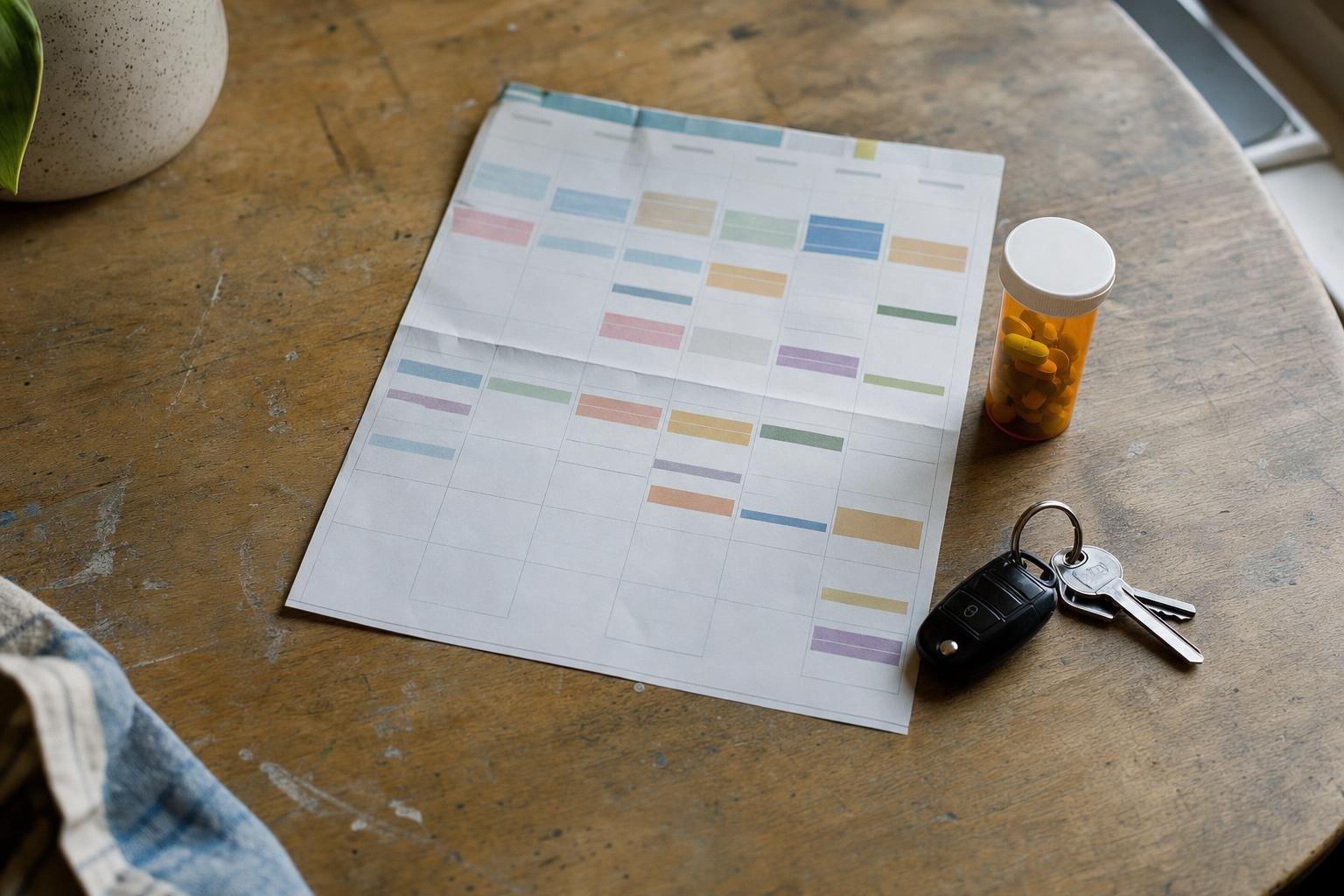
Calendar every deadline. Add all court dates, licensing appointments, and paperwork due dates to one shared calendar.
Set a temporary transport plan. Line up rideshare, public transit, a carpool, or help from family so school and work runs are covered.
Check your medications. Some medicines, including certain antihistamines, sleep aids, benzodiazepines, and opioids, can impair driving for hours. Some also carry explicit “do not drive” warnings. Ask your clinician if, when, and how it is safe to drive on your current regimen.
Make a Sober-Drive Rule You Can Keep
Write down a simple, personal commitment: never drive after using any impairing drug. Putting it in plain language makes it easier to follow when you are tired, stressed, or in a hurry.
Because impairment does not always clear on a neat schedule, give yourself a conservative time buffer after any use. Cannabis is a good example: metabolite timing is unpredictable, and laws often focus on presence or impairment rather than a clear countdown. When in doubt, wait longer or find another ride.
A quick decision tree can help in the moment:
Used any impairing substance today? Do not drive.
Taking a medication with driving warnings? Do not drive until your clinician clears it.
Short on sleep or feeling off? Do not drive, or hand the keys to someone else.
Address the Root Cause, Not Just the Ticket
If substance use is part of the picture, treating it directly is one of the most reliable ways to protect your license and your family. Evidence shows substance use disorders can be treated with a combination of behavioral therapy and medication when appropriate. Some medications can also help sustain recovery over time.
Support from others matters too. Peer support workers can help people engage in recovery and reduce the likelihood of relapse, often because they have been through something similar.
A simple three-item plan is enough to begin:
Book a screening or assessment with a qualified provider.
Set a start date for treatment or counseling.
Add one weekly peer support meeting to your calendar.
Rebuild Safer Habits You Can Live With
Small, practical changes tend to outlast big promises. These are easy to set up and realistic for a busy parent to maintain.
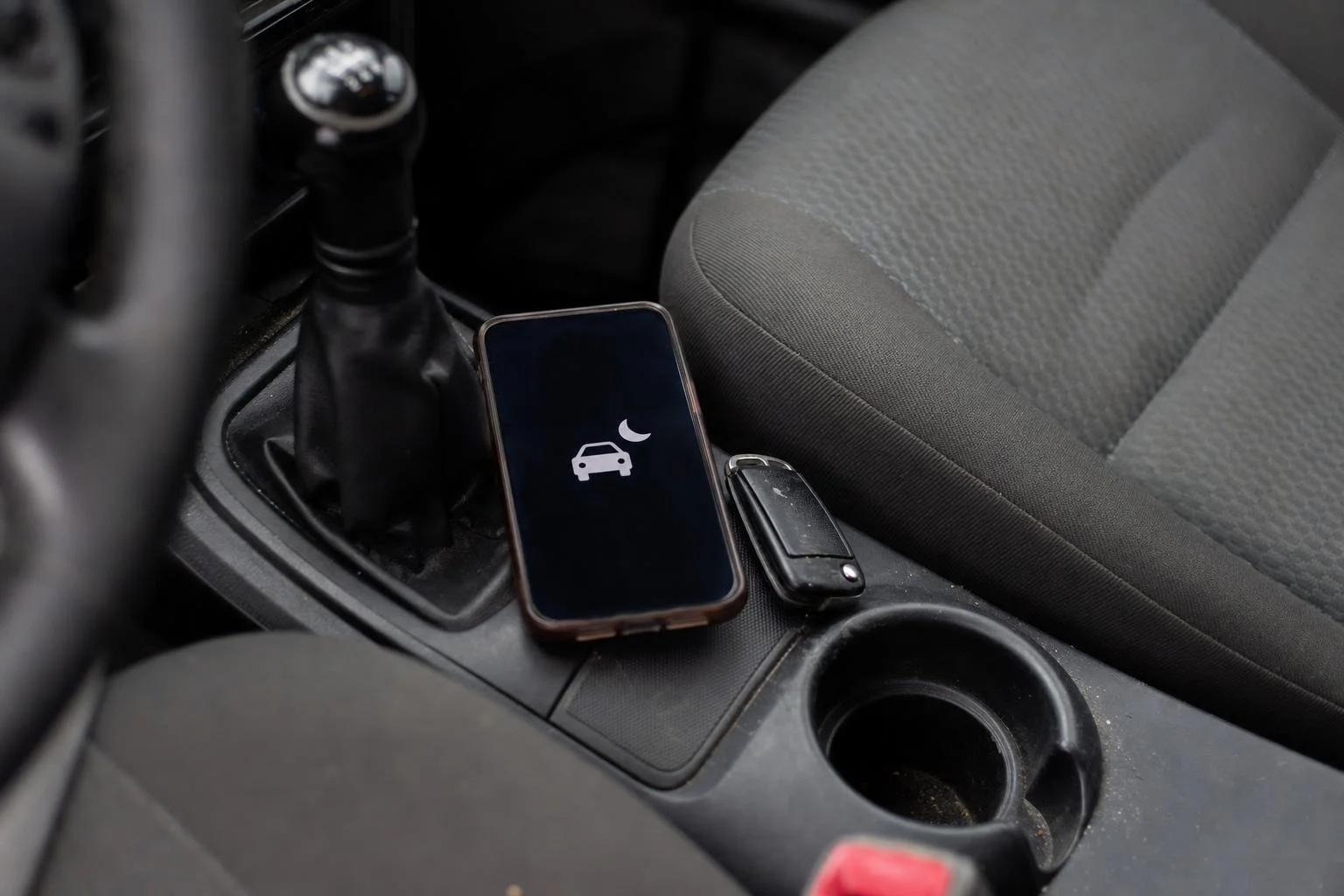
Use your phone's driving mode. On iPhone, Driving Focus can turn on automatically to limit notifications. On Android, Do Not Disturb can activate automatically while driving. Both reduce distractions.
Pre-book rides for high-risk times. If you know a night out, appointment, or stressful day is coming, arrange the ride in advance.
Remove temptation. Keep your keys out of easy reach when you are taking medication that may impair you.
Plan a backup driver. Line up a partner, relative, or friend for school and activity runs when you are not clear to drive.
When You Are Cleared to Drive Again, Start Small
Getting your license back does not mean jumping straight into peak-hour traffic. Ease in with lower-risk trips first.
Begin with daylight hours, familiar streets, and one errand at a time. Refresh the core skills that keep everyone safe, such as keeping a generous space cushion and scanning ahead for hazards.
Keep a short driving log for two weeks. Note where you drove, how you felt, and anything that rattled you. It is a simple way to rebuild attention and confidence, and it gives you an honest record of your progress.
Know Your Jurisdiction's Steps
Requirements vary widely, so treat any example as an illustration rather than a rulebook. Always follow the instructions from your local authority.
In Colorado, USA, a first-offense DUI typically brings a nine-month revocation. Early reinstatement requires an ignition interlock device, and that can apply even in drug cases. Other U.S. states set their own periods, education requirements, and treatment expectations, so what applies in one county or state may not apply in another.
For Readers in Victoria, Australia
If you are in Victoria, the licensing authority may direct you to complete a Drug Driver Behaviour Change Program. It runs for six hours, delivered over two three-hour sessions held one week apart. As listed by one approved provider, current fees are AUD $460 full fee and AUD $430 concession, including the VicRoads fee.
The program generally requires in-person attendance, and online delivery is limited to specific, pre-approved circumstances. If VicRoads has instructed you to complete this program, you can compare dates and locations or find a drug driving course online to review options. Eligibility depends on VicRoads requirements, and completing a course does not guarantee that your license will be reinstated.
One more Victoria note: from March 1, 2025, magistrates may choose not to cancel a license for THC-positive medicinal cannabis patients. Impairment laws still apply, and any outcome remains at the court's discretion.
Family Accountability That Actually Helps
You do not have to carry this alone. A little structure at home can make the sober-drive rule easier to keep.
Write a short safety agreement. Put your rule in writing with your partner or an older teen so everyone knows what to expect.
Hold a weekly ten-minute check-in. Review how the week went, what worked, and what felt hard.
Agree on ride-first rules. For nights out, decide in advance who drives or how everyone gets home.
These conversations also model good judgment for kids who are watching how you handle a setback.
Red Flags and When to Get Extra Help
Some signals mean it is time to pause and lean on professional support rather than push through.
You cannot consistently keep your sober-drive rule.
Cravings are frequent or intense.
A medication makes you feel impaired, drowsy, or foggy.
If any of these show up, stop driving and talk to your clinician. Reach out to peer or professional support as well. Substance use disorders can respond to treatment and counseling, and asking for help early may protect both your recovery and your license.
A Long-Term Upgrade for You and Your Family
Safe, sober driving is a skill you can rebuild, one steady decision at a time. Stick to your written rule, use the support around you, and treat this period as a reset rather than a verdict on who you are.
Handle the paperwork, follow your local requirements, and keep the habits simple enough to last. The goal is not just getting your license back. It is becoming the calm, reliable driver your family can count on for years to come.
