
How to Manage Asthma Symptoms While Staying Active
Staying active is a massive part of a healthy life, even when dealing with lung sensitivities. Many individuals fear that a workout might trigger a sudden breathing flare-up. You do not have to abandon your fitness goals just to stay safe. With the correct approach, you can protect your lungs and hit your personal milestones.
Preparation and Your Routine
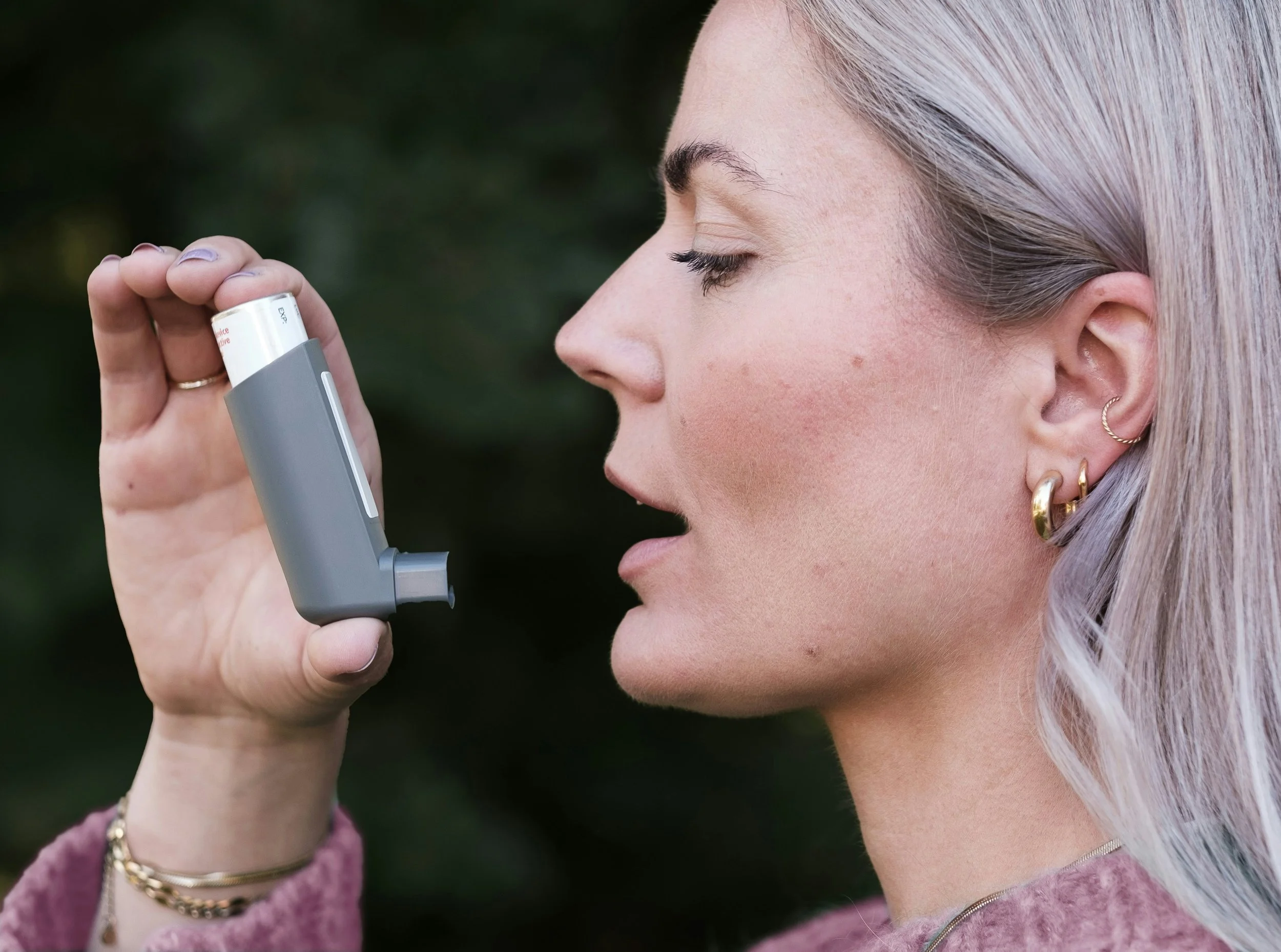
Preparation makes a world of difference when you head out to the gym or the running trail. If you need to Buy Ventolin Inhaler to keep your airways open, talking to a healthcare provider is a great first step. They can guide you on the proper timing for using your medication before physical exertion. Having a clear strategy allows you to exercise with peace of mind.
Environmental Factors
Cold air or pollen can sometimes make outdoor activities more difficult. Tracking these external elements helps you decide whether to take your routine indoors on certain days. Utilizing an indoor track or an exercise bike keeps you moving without exposing your lungs to harsh conditions.
The Reality of Airway Irritation
Managing your fitness requires knowing exactly what happens inside your chest. An educational resource from the Cleveland Clinic explains that asthma is a condition creating long-term inflammation within your airways. This swelling makes the tubes sensitive to sudden changes in temperature or intense breathing. When you push your physical limits, your body demands more oxygen quickly.
Breathing hard through your mouth can dry out your airways and trigger irritation. Focus on slow, rhythmic breathing to help minimize this effect during light or moderate exercise.
Controlling Long-Term Swelling
Most people recognize that regular movement benefits your cardiovascular system. Information shared by the Allergy Asthma Network highlights a lesser-known fact: physical activity can actually help keep airway inflammation under control. Regular workouts train your body to handle stress more efficiently.
With regular training, your lungs adapt to the regular exertion. This adjustment makes your respiratory system less prone to sudden spasms during daily tasks. Selecting activities like swimming or walking can provide an excellent entry point for building this long-term resilience.
Strengthening Heart and Lungs
Building stamina does not happen overnight, but the long-term rewards are substantial. According to data from the Mayo Clinic, consistent physical activity strengthens your heart and lungs, assisting in the relief of asthma symptoms. Stronger respiratory muscles do not have to work as hard during a heavy workout session. You will likely notice that you do not get winded as quickly during your daily routines.
A proper warm-up period of 10 to 15 minutes is highly beneficial for preparing your lungs. Slowly raising your heart rate prevents sudden shock to your bronchial tubes.
Weighing Benefits and Risks
Some individuals hesitate to exercise out of fear of inducing a flare-up. A guide by Asthma Canada points out that the benefits of regular physical exertion almost always outweigh the risks tied to exercise-induced symptoms. Skipping movement entirely can lead to a decline in your physical capability.
Having a structured roadmap keeps you safe during active sessions. Experts at the Asthma Foundation of New Zealand state that individuals using an asthma action plan achieve far better control over their symptoms:
Discuss your fitness goals directly with your doctor.
Identify your particular triggers before starting a new sport.
Note down the exact steps to take if breathing becomes difficult.
Keep an updated log of your peak flow numbers.
Recognizing Common Symptoms

Listening to your body is a key skill for any athlete. A global report from the Global Initiative for Asthma outlines that typical symptoms include a wheeze, shortness of breath, chest tightness, or a cough. Experiencing these signs means it is time to slow down and rest immediately.
Meeting standard health guidelines is achievable with the right pacing. The American Lung Association mentions that the Surgeon General recommends at least 150 minutes of moderate movement each week. Breaking this number down into 30-minute sessions over 5 days makes the target manageable. You can choose any activity that fits your lifestyle.
Using Your Relief Tools Properly
Knowing how to handle a sudden breathing issue prevents minor issues from becoming emergencies. The National Health Service suggests that if you use a blue reliever inhaler during a flare-up, you should take 1 puff every 30 to 60 seconds until you feel better, up to a maximum of 10 puffs. Keeping this device close by during your workout is an excellent safety habit.
Tracking how often you rely on this fast-acting medication provides deep insight into your health status. The American Academy of Allergy, Asthma, and Immunology states that most individuals should only require their quick-relief medication 2 times a week or less. Needing it more frequently indicates that your long-term control strategy might require an adjustment from your physician. Regular check-ins with your care team make sure you stay on the right track.
Balancing physical fitness with respiratory health is entirely possible with proper preparation. By monitoring your symptoms and working closely with medical experts, you can enjoy your favorite sports safely. Staying active builds your strength and improves your quality of life. Take things one step at a time, listen to your lungs, and celebrate your progress along the way.
