
Keeping the Liver Healthy: 5 Practical Tips
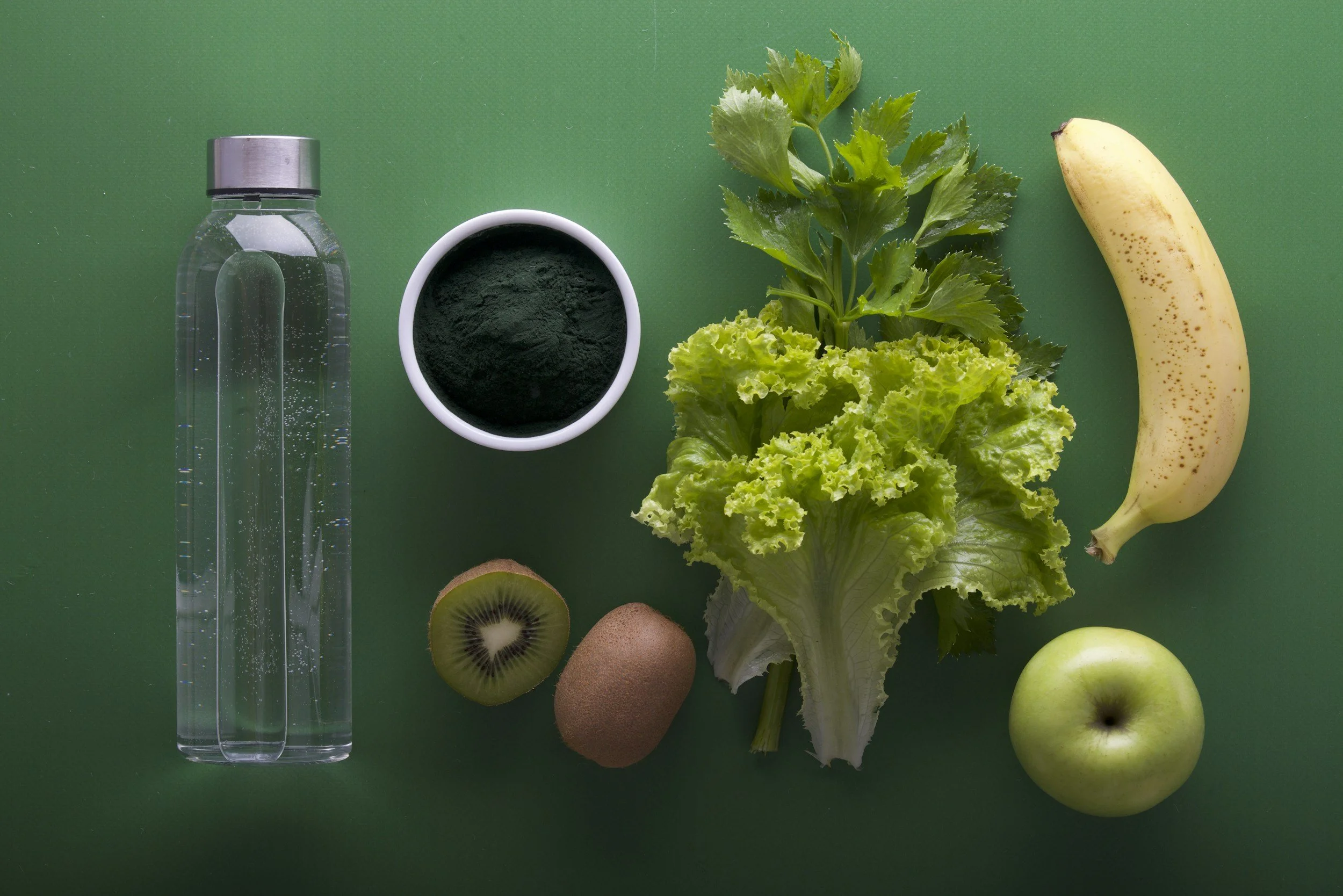
What does a struggling liver actually feel like from the inside? Fatigue that sleep can never seem to fix, skin with a dull, jaundiced tint, a stomach that swells inexplicably—these are quiet signals of a liver pushed past what it can filter. The liver rarely announces distress early, which is why damage is often well underway by the time symptoms show. Small, consistent habits help this vital organ keep pace with everyday toxin exposure. Here are five practical ways to keep the liver healthy.
1. Limit Alcohol Intake
Alcohol is metabolized almost entirely by the liver and the process generates a toxic byproduct that damages liver cells faster than the organ can repair them. When you drink heavily, regularly, a fatty liver can quickly progress to hepatitis, then cirrhosis, if left unaddressed. Moreover, each stage can advance without any noticeable warning. Genetics also plays a role. Two people with similar drinking habits can end up with very different liver health outcomes, depending on how their bodies process alcohol at the cellular level.
Clinical guidelines generally cap alcohol intake at one drink a day for women and two for men. That pace gives the liver time to process each dose without cellular buildup. A period without alcohol every week, say three to four days, allows liver enzymes to normalize. Even a modest reduction sustained for a few months is often enough to reverse early fat accumulation on imaging, particularly when the change happens before scarring sets in.
2. Cut Back on Sugar
The liver also directly converts refined sugar, especially fructose, into fat. The effect is similar to what alcohol does to liver tissue over time: the process itself can damage the organ if it happens too much, too frequently. This is why diets heavy in processed foods, fried items, and sugary drinks are strongly linked to non-alcoholic fatty liver disease. The condition now affects an estimated one in four adults worldwide, and it shows up in younger patients than doctors used to expect.
A simple swap of sugary drinks for water or unsweetened tea removes one of the largest sources of hidden fructose from a typical day. Meals built around vegetables, lean protein, and whole grains leave the liver fewer fat-forming compounds to process each day. You can also take a glutathione supplement to help the liver get rid of toxic metabolic products. Meanwhile, fried and packaged foods work best as the occasional treat, not the routine.
3. Stay Physically Active
A sedentary lifestyle slows metabolism and encourages fat storage, including within liver tissue itself. This effect holds independent of body weight. In short, regular movement plays a direct role in how the body clears fat and sugar from the bloodstream.
Moderate activity, such as brisk walking or cycling, for 30 minutes on most days of the week measurably reduces liver fat within a few months. Two to three weekly sessions of strength training add further benefits. In particular, strength training improves how the body processes sugar, which lowers the amount of fat the liver is asked to store. The improvement works only as long as the routine stays consistent, though.
4. Watch Medication Use
The liver breaks down nearly every medication and supplement that enters the body. Excessive doses or unnecessary combinations can overwhelm this process fast. Painkillers such as acetaminophen, when taken beyond recommended limits, remain one of the leading causes of acute liver injury. Much of the damage comes from products taken together without realizing they share the same active ingredient, since cold, flu, and pain medications often overlap in the same cabinet.
A few habits keep this risk in check:
Check dosage labels for duplicate active ingredients across products, especially combination cold and flu medications
Confirm herbal or antioxidant-based supplements with a doctor or pharmacist before combining them with prescriptions
Avoid stacking multiple pain relievers that share the same active ingredient, even if the brand names differ
Antioxidant-based liver aids, such as a glutathione supplement, are generally well tolerated on their own, but the same rule applies: check with a professional before using them with other medications.
5. Manage Stress and Sleep
Prolonged stress raises cortisol levels and elevated cortisol can trigger inflammation and disrupt the liver's ability to regulate fat and sugar metabolism. Poor sleep compounds this further. Much of the liver's cellular repair happens during deep rest, and cutting that rest short night after night leaves less time for the organ to recover.
A consistent seven to eight hours of sleep every night restores this repair window. Simple stress management, such as short walks, breathing exercises, or regular downtime, also keeps cortisol from staying elevated. Neither habit requires drastic change. Doing these regularly lets the liver catch up on the work it couldn't finish the day before, and the benefits tend to compound over time.
The liver is unusual among organs in one respect: it will keep functioning at a fraction of its capacity for years before anyone notices, quietly absorbing the cost of every shortcut taken elsewhere in life. That patience is not a guarantee. It is closer to a loan, extended without terms, and eventually called in without warning. It’s therefore best to keep up with your liver health before it exacts a heavy toll.
