
The 5 Most Common Micronutrient Deficiencies, Why They Matter, and How to Fix Them
"To eat is a necessity, but to eat intelligently is an art."
—François de La Rochefoucauld
You limit processed foods, have some salads throughout the week, and take your vitamins—but do you ever wonder if you’re getting enough of the micronutrients your body needs? Maybe you’re feeling more tired, catching colds more often, having joint pain, or noticing a decline in cognitive function.
I wonder about this all the time.
In today's world of abundance, it's easy to assume we’re all getting enough essential nutrients. But research tells a different story. A recent global study found that over 5 billion people aren’t meeting their daily intake of key micronutrients. Even in developed countries like the U.S., many of us fall short on the vitamins and minerals vital for health.
So, what are the most common micronutrient deficiencies, why do they matter, and how can we fix them?
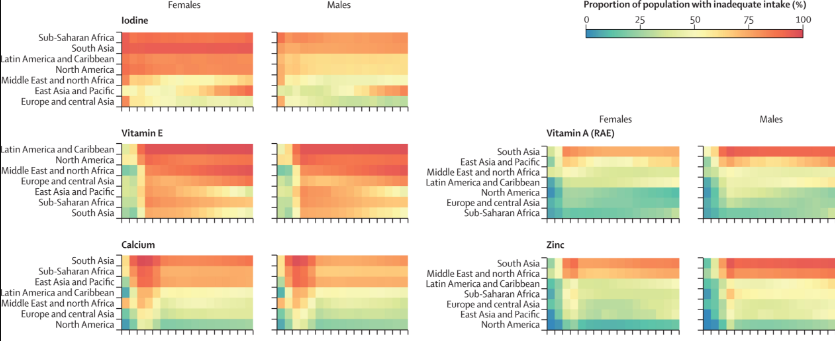
The 5 Most Common Micronutrient Deficiencies
The study "Global Estimation of Dietary Micronutrient Inadequacies" analyzed 15 essential micronutrients across seven regions worldwide, including North America. Below are the five most common deficiencies in North America, which also overlap with seven of the most prevalent globally. I excluded riboflavin and calcium, as these were not found to be deficient in North America. The deficiency percentages provided are global, as the study didn’t break them down by region.
Iodine (68% deficiency globally)
Iodine is essential for thyroid function, influencing metabolism and energy levels. A deficiency can lead to goiter, hypothyroidism, and developmental issues, particularly in children.
Vitamin E (67% deficiency)
Vitamin E acts as an antioxidant, protecting cells from damage and supporting immune function. Without enough vitamin E, individuals may experience weakened immunity, vision problems, and muscle weakness.
Iron (65% deficiency)
Iron is necessary for producing red blood cells and preventing anemia, which leads to fatigue and weakened immunity. Lack of iron can cause anemia, resulting in fatigue, dizziness, and weakened cognitive and immune function.
Folate (Vitamin B9) (54% deficiency)
Folate supports cell division and DNA synthesis, essential for growth and repair. Folate deficiency can cause anemia, birth defects in pregnancy, and impaired cell production.
Vitamin C (53% deficiency)
Vitamin C boosts the immune system and helps the body repair tissues and recover from illness. A lack of vitamin C can lead to scurvy, fatigue, joint pain, and a weakened immune response.
RDA vs. Thriving: Why Your Body Needs More
Micronutrients are the foundation of your health, supporting everything from brain function to immune defense. But deficiencies in iodine or iron don’t hit all at once—they build up over time, leading to issues like fatigue, weakened immunity, or even serious health conditions like anemia or brittle bones.
The problem? Most people rely on the Recommended Daily Allowance (RDA) to meet their nutrient needs. But the RDA is just the minimum needed to prevent deficiency diseases, not to help you thrive. For example, the RDA for magnesium might prevent deficiency, but it won’t support optimal sleep, muscle recovery, or stress reduction. If you want to perform and feel your best, you need to go beyond the RDA and give your body the nutrients it truly needs to thrive.
How to Address These Deficiencies
Here’s the good news: with a few simple changes, you can bridge the gap in your diet and avoid long-term health risks.
1. Diversify Your Diet
The most effective way to tackle deficiencies is by eating a varied, nutrient-rich diet with a variety of colors ('eat the rainbow”). Focus on whole foods like vegetables, fruits, nuts, seeds, legumes, protein, and fish.
2. Supplementation
Modern agricultural practices have depleted soil nutrients, leading to food that contains fewer vitamins and minerals compared to the past. For instance, studies have shown that spinach now contains significantly less iron than it did decades ago, with some estimates suggesting a reduction of up to 35%. This makes it harder to meet nutritional needs through diet alone, making supplementation necessary for some. While I eat a high-quality, organic, and whole-food diet, I know I am still insufficient in certain nutrients. For that reason, I take the following supplements, in addition to some others:
Primal Blueprint Primal Sun (Vitamin D) (Use MINDBODYDAD for a 10% discount)
3. Focus on Key Sources
Iodine: Seafood, dairy products, eggs, seaweed (such as kelp or nori), cod, and shrimp.
Vitamin E: Nuts, seeds, leafy greens, almonds, and avocados.
Iron: Red meat, lentils, spinach, chickpeas, and quinoa.
Folate: Leafy greens, legumes, asparagus, oranges, and avocado.
Vitamin C: Citrus fruits, berries, bell peppers, kiwifruit, tomatoes, and broccoli.

4. Track Them For 2 Weeks
The best way to understand your micronutrient intake is to track it, and apps like Cronometer make this process simple and eye-opening. For just two weeks, log everything you eat and see how your diet stacks up against your nutrient goals. Cronometer breaks down your intake of vitamins and minerals, giving you an easy-to-see picture of where you’re thriving and where you might be falling short. It’s the only app I know of that goes beyond just calories and macronutrients, focusing on the critical micronutrients for optimal health. There’s a good chance you’ll see some stark insufficiencies and deficiencies in your diet.
Takeaway
Micronutrient deficiencies are more common than you think, and they don’t just affect people in low-income countries. They’re happening across the globe, including in developed nations. Left unchecked, these deficiencies can lead to both short-term and long-term health problems. But by being mindful of your diet and supplementing where necessary, you can ensure that you're getting the nutrients your body needs to thrive.
You don’t need to overhaul your diet overnight. Start by identifying which nutrients you might be lacking, then make gradual adjustments—adding nutrient-rich foods, checking your daily intake, and considering supplements when needed. Small, consistent changes can have a profound impact on your health in the long run.
Related:
