
What Are Power Chains and Why They Matter
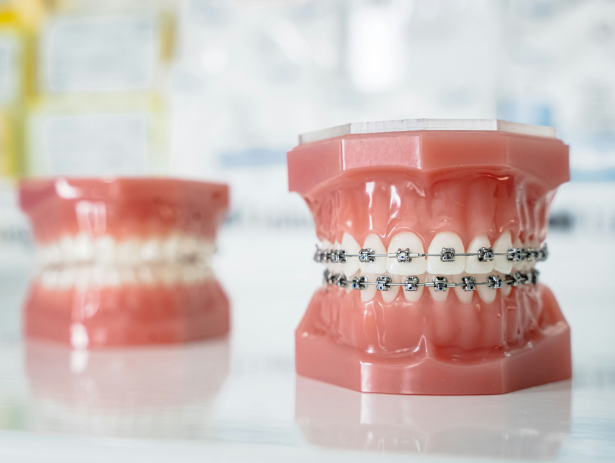
Power chains are elastic connectors that link the brackets of your braces together to apply continuous pressure across multiple teeth simultaneously.
Unlike individual elastic bands that target specific teeth, power chains work as a unified system to move several teeth in coordinated ways.
These specialized orthodontic tools represent a significant advancement in modern braces technology and treatment efficiency.
When used correctly, they can dramatically improve your orthodontic outcomes and potentially reduce your overall treatment time.Key Takeaways
Power chains accelerate tooth movement through continuous distributed force across multiple teeth, making them highly effective for closing gaps and coordinating complex tooth movements. They can potentially reduce your overall treatment time while improving precision and final results compared to traditional individual elastics.
Proper care and maintenance are essential when wearing power chains, with extra attention needed for oral hygiene and dietary restrictions to prevent damage. Following your orthodontist's guidelines about brushing, flossing, and food choices protects your treatment progress and prevents complications.
Individual response to power chains varies based on bone density, age, and case complexity, with most patients achieving desired results within six to eight weeks. Your orthodontist will monitor your progress closely and adjust treatment as needed to ensure your smile develops according to the treatment plan.
Understanding How Power Chains Function
Power chains work by creating a continuous force distribution across your teeth rather than isolated pressure on individual brackets.
This unified approach allows your orthodontist to control and coordinate the movement of multiple teeth in a synchronized fashion.
The elastic material maintains consistent tension throughout your treatment, gently but persistently guiding your teeth toward their ideal positions.
This steady, predictable force is more effective than traditional methods for certain types of tooth movement and correction.
Primary Functions of Power Chains
When you find out what power chains do for braces, you discover they serve multiple critical functions in orthodontic treatment. First, they accelerate tooth movement by providing concentrated force across several teeth at once, potentially shortening your total treatment duration.
Power chains excel at closing gaps between teeth, whether from natural spacing or tooth extractions. The continuous pressure they apply makes them particularly effective for closing even stubborn spaces that might resist other treatment methods.
Closing Gaps and Spacing Issues
One of the most common applications for power chains is closing unwanted spaces between teeth that create aesthetic concerns. The consistent pressure from power chains is particularly effective at gradually pulling teeth together and eliminating gaps.
Patients with significant spacing often notice visible improvements within weeks of having power chains applied. The continuous force ensures steady progress rather than sporadic movement achieved with other methods.
Alignment and Tooth Positioning
Power chains also help correct crooked teeth, minor rotations, and misalignments that affect your smile's appearance and function. The distributed force across multiple brackets provides better directional control compared to isolated elastics.
Your orthodontist can customize power chain configurations to address specific alignment challenges unique to your individual case. This personalization ensures your teeth move in the precise directions necessary for optimal final results.
Enhanced Control and Precision
One significant advantage of power chains is the improved control they provide over tooth movement patterns and directions.
Orthodontists can apply targeted pressure to specific tooth groups while maintaining overall treatment alignment.
This level of precision helps avoid unwanted side effects and ensures your smile develops harmoniously. Better control during treatment often results in superior outcomes and greater patient satisfaction.
Types of Power Chain Configurations
Closed chain configurations have no spaces between links and provide maximum force for closing large gaps or spacing issues.
These chains deliver intense pressure suitable for situations requiring rapid tooth movement.
Short chains feature small spaces between links and work well for maintaining existing spacing while moving teeth gradually.
Long chains contain wider spaces and are ideal for minor adjustments and slower, more controlled movements.
Treatment Duration and Timeline
Most patients wear power chains for six to eight weeks before their orthodontist assesses progress and determines if adjustments are needed.
Some treatment cases may require continuous power chain use throughout the entire braces treatment.
Your specific timeline depends on the extent of corrections needed and your individual response to orthodontic forces.
Regular monitoring appointments ensure your treatment progresses as expected and adjustments are made when necessary.
Maintaining Oral Hygiene with Power Chains
Proper oral hygiene becomes even more important when wearing power chains due to their continuous nature across multiple teeth.
You must brush carefully around the chains to remove food particles and plaque that accumulate in tight spaces.
Using interdental brushes and water flossers helps clean areas that traditional toothbrushes cannot easily access.
Maintaining excellent hygiene prevents decay and gum problems that could complicate or prolong your orthodontic treatment.
Dietary Considerations During Treatment
When wearing power chains, you need to be extra cautious about your food choices to avoid damaging the chains or your braces.
Sticky foods like caramel, taffy, and chewing gum can pull on the chains and damage their elastic properties.
Hard foods including nuts, hard candy, and popcorn can break the chains or bend your brackets. Sticking to softer foods during your power chain treatment helps ensure your appliances remain intact and functional.
Comfort and Adjustment Period
Some patients experience mild discomfort or pressure sensations when power chains are first applied or adjusted.
This is a normal response to the orthodontic force and typically subsides within a few days as your mouth adapts.
Over-the-counter pain relievers can help manage any temporary discomfort during the adjustment period.
The benefits of accelerated tooth movement usually far outweigh any minor initial discomfort experienced.
Working with Your Orthodontist
Your orthodontist carefully evaluates your specific orthodontic needs to determine if power chains are appropriate for your case.
Not every patient needs power chains, and your orthodontist will recommend the treatment approach best suited to your unique situation.
Regular communication with your orthodontist about your experience helps ensure optimal results and comfort throughout treatment. Don't hesitate to report any problems or concerns during your adjustment appointments.
Conclusion
Power chains represent an important advancement in modern orthodontic treatment that can significantly enhance your smile transformation journey.
By understanding how they work and following your orthodontist's care instructions, you can maximize their benefits and achieve your ideal smile efficiently.
If you are currently undergoing braces treatment or considering orthodontic care, discussing power chains with your orthodontist helps determine if they are appropriate for your specific needs.
The combination of modern technology, professional expertise, and patient commitment creates the ideal conditions for achieving a beautiful, healthy smile through orthodontic treatment with power chains.
Frequently Asked Questions
How long will I need to wear power chains? Most patients wear power chains for six to eight weeks, though some cases require them throughout the entire braces treatment.
Your orthodontist will assess your progress and determine when adjustments or changes are needed based on your individual response to treatment.
Are power chains painful? Power chains may cause mild discomfort or pressure sensations initially, but this typically subsides within a few days.
Over-the-counter pain relievers can help manage any temporary discomfort while your mouth adjusts to the orthodontic force.
Can I eat normally with power chains? You should avoid sticky and hard foods that can damage power chains or your braces. Sticking to softer foods during treatment helps protect your appliances and ensures steady progress toward your orthodontic goals.
Do power chains work faster than regular braces? Power chains can accelerate tooth movement and potentially reduce overall treatment time compared to traditional elastics alone.
The continuous distributed force they provide often produces faster, more coordinated tooth movement in patients requiring gap closure or alignment corrections.
