
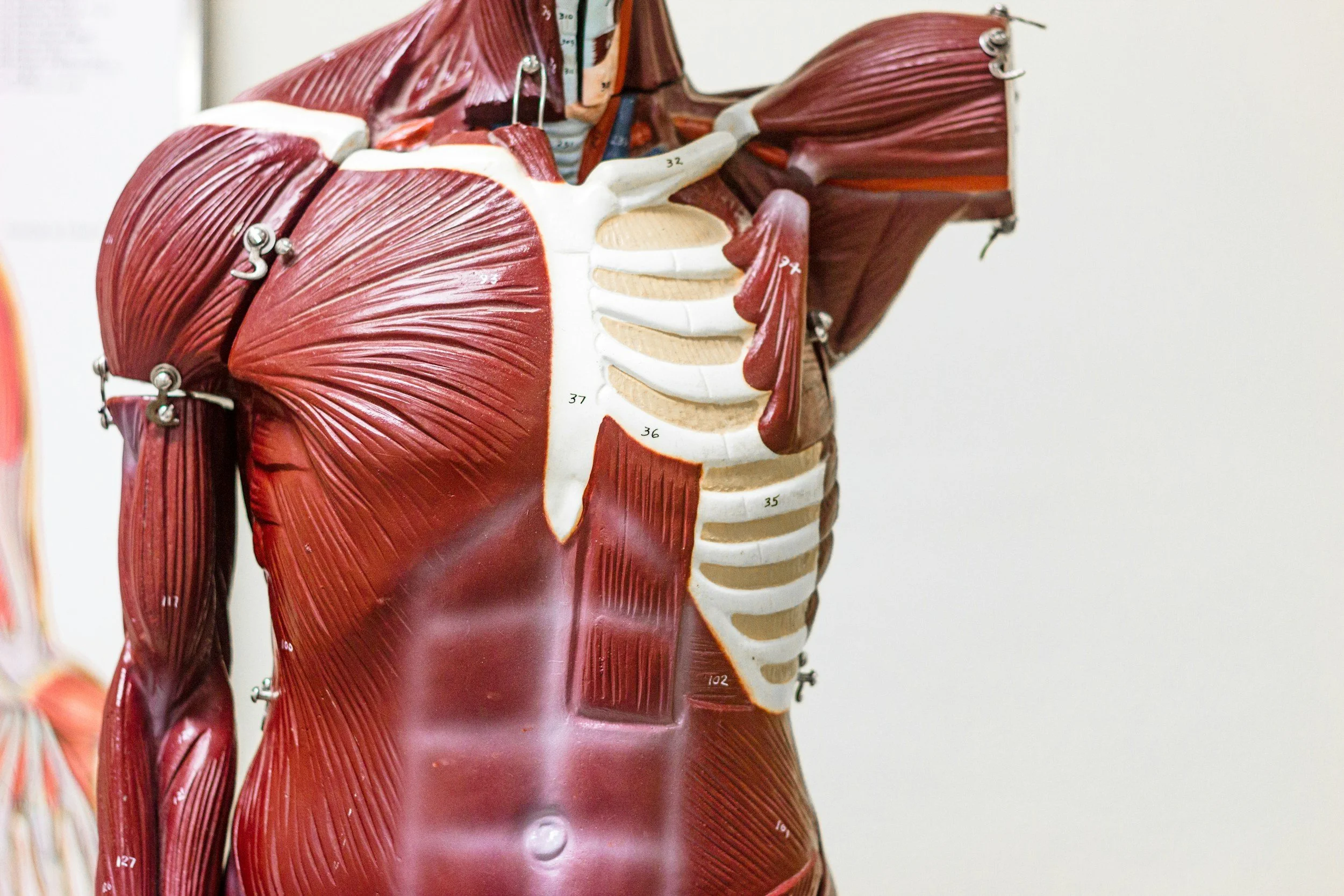
Statins cause muscle fatigue and weakness in many users, as the enzyme they inhibit as a method to lower cholesterol, is the very same that really helps in the synthesis of coenzyme Q10 and other compounds that muscle cells use for energy. A fall in the production of these latter molecules results in muscle tissue being more reluctant to produce power and more susceptible to soreness, heaviness, and tiredness. This is actually one of the most common complaints of people about statin medicines that makes them to give up statin therapy.
Muscle problems cover a spectrum from the mildest muscle aches that may come and go until a rare, very serious, and complete breakdown of the muscle tissue requiring immediate medical attention. Although the figures vary, a lot of muscle-related problems are among the statin side effects that come up most often and are probably top on the list of reasons for patients to discontinue a medication their doctor prescribed for a good reason. Knowing how these statin side effects work is a very clever and effective way to distinguish between simple side effects and warning signals that you should pay attention to. In addition, this knowledge may help you start a conversation with a doctor about this matter in a responsible and understandable way.
The Biochemistry Behind Statin Muscle Symptoms
Statins work by inhibiting the HMG-CoA reductase enzyme which is a rate-limiting step in the mevalonate pathway that ultimately produces cholesterol but also gives rise to coenzyme Q10, dolichols isoprenoids which are all important for cells' ability to build and maintain their internal machinery. That is, slowing the upper part of the production line would result in slowing down everything below it, not just cholesterol reduction. Of all these molecules, Coenzyme Q10 draws the most interest for it plays a central role in mitochondria's production of energy. Muscles have mitochondria packed in them, which means that whatever decreases the efficiency of these organelles will most likely first cause muscular fatigue and weakness.
Studies show that statin users have lower levels of circulating CoQ10 in their blood. Even if the actual role in symptom manifestation remains a subject of debate, the idea is simple and matches the symptoms described by many patients.
The isoprenoid branch matters too, and it's less talked about. Compounds like geranylgeraniol are needed to anchor certain proteins to cell membranes so those proteins can do their jobs, including tasks tied to muscle cell maintenance and survival. When the mevalonate pathway is throttled, production of these compounds falls, and some researchers think this depletion, rather than CoQ10 alone, drives a meaningful share of the muscle complaints. Addressing that specific branch is why some people look into a geranylgeraniol supplement, since it targets the exact compound statins suppress rather than the more familiar CoQ10. Evidence here is earlier-stage, so it's best treated as something to discuss with a knowledgeable practitioner rather than a guaranteed fix.
How to Tell Ordinary Fatigue From a Real Problem
Not every statin user's muscular pain is related to statin consumption, and the real challenge is to differentiate the two scenarios. Statin muscle symptoms normally affect symmetrical parts of the body involving the large muscle groups, like the thighs, calves, and the lower back. The symptoms are not sharp pain but usually feel like heavy, painful, or weak muscles. They are not typically isolated to a particular part of the body rather are spread to large muscle areas on both sides and often get worse with activity.
Onset of symptoms within weeks to months after statin initiation/starting a new statin or after raising dose level is very much indicative of the statin as the root of discomfort. Muscle damage can be determined by a creatine kinase blood test, although lots of people who are actually experiencing symptoms have normal creatine kinase levels or only mildly raised levels.
Taking a break from the statin and the subsequent improvement (that one of the reasons why) is another strong indication that it is the drug. For that reason, when a doctor wants to know if it is the medication causing the issue, the patient is generally advised to undergo a test off the medication during which the statin is taken away under the doctor's supervision. Also, in many cases where a patient has symptoms of muscle, levels of creatine kinase in the blood are normal or only slightly elevated. A severe but infrequent condition known as rhabdomyolysis involves the breakdown of muscle tissue and is potentially life-threatening because the byproducts of the muscle are toxic to the kidneys. One has to consult a physician if one notices muscle pain that is very severe, very weak muscles and tea coloured urine. That set of signals should make one to go see a doctor immediately rather than wait. Though it is uncommon, it is the knowledge of a very dangerous signal that will make the difference, since typical aches that almost everyone goes through can look very different.
Who Is Most Likely to Get Muscle Side Effects
Statin muscle side effects don't occur at an equal rate in everybody. Taking higher doses, or being prescribed more powerful statin drugs, also elevates the likelihood. Because of this, when a prescriber is concerned about side effects, he or she will sometimes just reduce the dose or change to a different molecule, rather than discontinuing the treatment. Other statins, besides being prone to cause statin myopathies, could also interact more often than others with other drugs; for example, they share liver enzymes that break down most medicines and drug interactions of statins with drugs that rely on such enzymes might cause muscle complications in combination with statins.
Some risk groups are more prone. Elderly adults, smaller-framed people, persons with renal or hepatic abnormalities, and in general anyone with concurrent thyroid and muscle conditions are the ones who most frequently report symptoms. One of their causes relates to genes. Genetic differences in a gene that codes for the protein that controls how statins are taken up by the muscle cells are responsible for muscle complaints and also provide justification for why two persons on the same dose can experience totally divergent effects from the statins; one is much more likely than others to suffer from statin-induced muscle pain.
Drug interactions are another important aspect that needs to be brought up because, unlike most problems, they can actually be prevented. When taking a statin with certain antibiotics, antifungals a bunch of heart medicines or even very large quantities of grapefruit, statin levels are Quite a bit increased in the blood and that's one of the ways muscle risk increases. When starting a new medicine while taking a statin, it is essential that this drug combination is carefully evaluated. Often, it's sufficient to do a five-minute overview of the list of medicines taken by the patient in most cases to avoid blaming the statin for a problem in the end.
Practical Ways to Reduce Statin Muscle Fatigue
The first and most important step is to get in contact with your health professional before you stop taking statins, simply because if you have high cholesterol and the blood has a bad mix, the heart suffers and it really can do the worst kind of damage. On the same note, there are certain changes (like dose reduction, switching to another statin variety, or simply taking medication only every other day) that have helped a large portion of the individuals retain the beneficial effect of statins while simultaneously getting rid of the side effects. For example, some individuals get very bad effects with some statin and can tolerate others quite well. A natural supplement-based strategy aims at restoring the depleted byproducts that are formed after the action of a statin. CoQ10 is the most familiar to people. Although the results of various studies are contradictory, it is very affordable gentle and, because of this, clinicians often consider it a very suitable trial treatment.
Making a vitamin D deficiency has a positive impact for many individuals, because low vitamin D causes muscle pains and that's a pretty common issue where getting it checked is really worthwhile. The effects of lifestyle factors are more considerable than people think. Just drinking enough fluids daily, avoiding heavy workouts if you get very sore, and keeping a check on other drugs and supplements that one might be taking can, to an extent, influence the outcome. Remember, all of these factors should not be considered as substitutes for expert medical guidance. In most cases Still together they determine whether a person will decide to give up the statin completely or choose to remain on it without much discomfort.
