
Skipped Your Dental Checkup for a Year? Here's What Could Be Happening in Your Mouth
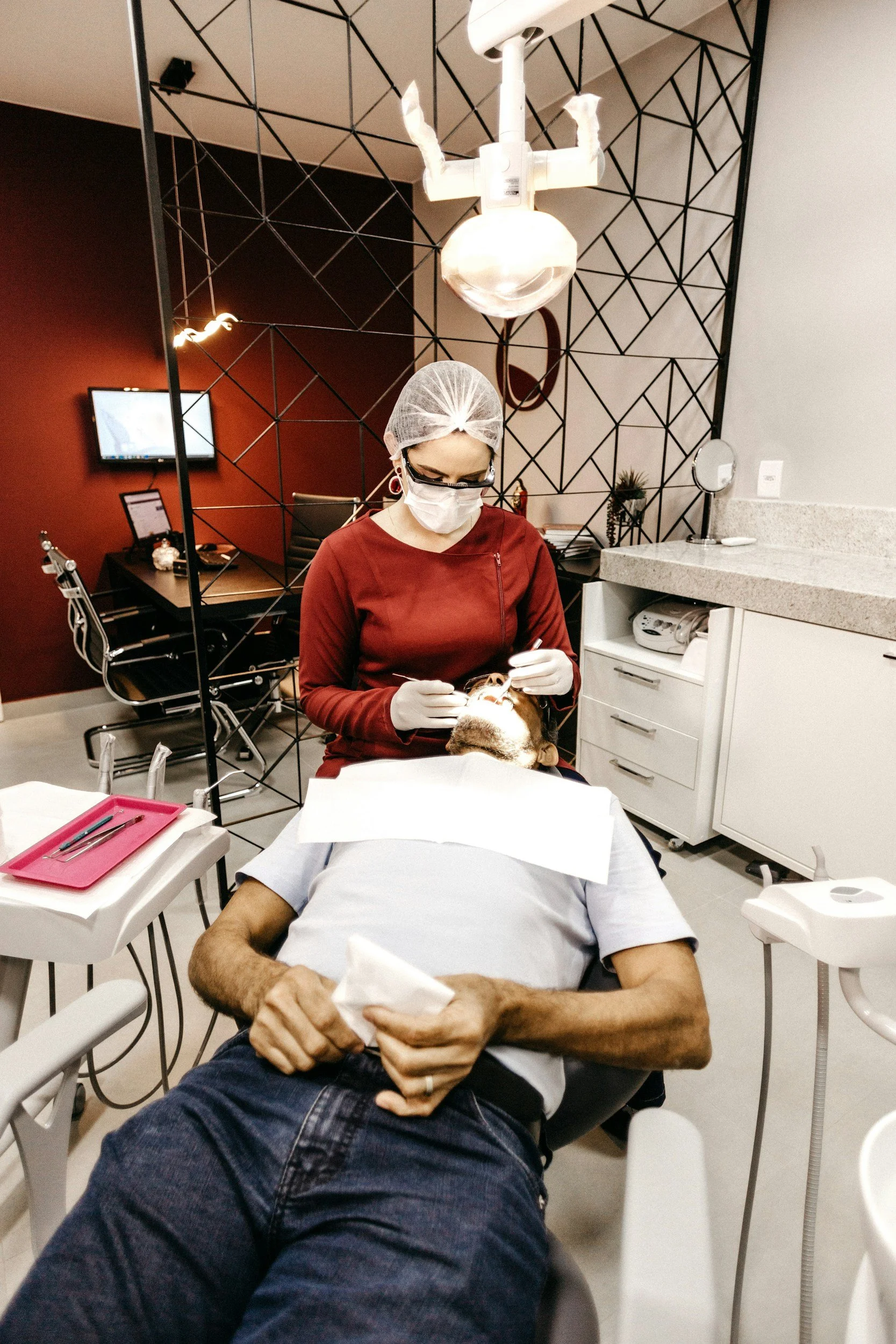
Life has a way of pushing appointments down the list. Work gets busy, money feels tight, nothing hurts, and a few months of delay quietly becomes a year. If that sounds familiar, you're far from alone, and there's no reason for guilt. What matters is understanding what a missed dental checkup can mean for your mouth and what to do next.
The good news is that twelve months rarely ruins healthy teeth. The less comfortable news is that a lot can change in that time without any warning signs. Plaque hardens, gums react, and small weaknesses in enamel can deepen. This article explains what may be going on beneath the surface, which problems can be reversed, and how to return to the dentist with confidence.
Why Problems Stay Hidden
Dental Disease Is Often Painless
Most dental problems start silently. Early decay doesn't hurt because the enamel has no nerves, and early gum disease rarely causes pain at all. By the time discomfort arrives, the issue has usually moved deeper. That's why feeling fine isn't proof that everything is fine.
What You Can't See or Feel
Between teeth, under old fillings, and below the gum line, damage can progress without any visible sign. Dentists use X-rays, probes, and trained observation to find what a mirror at home never will.
What Can Happen in Twelve Months
Plaque Turns Into Tartar
Plaque is a soft, sticky film of bacteria that forms on your teeth every day. Brushing removes most of it, but areas you miss, especially along the gum line and behind the back teeth, can harden into tartar within days. Tartar can't be brushed away. It sits on the teeth, irritates the gums, and gives new plaque a rough surface to cling to.
Early Cavities Grow
A tiny weak spot in the enamel can often be reversed with fluoride and better habits if it's caught early. Left for a year, it may break through into the softer layer beneath, called dentine, where decay spreads much faster. What could have been a small filling or a simple monitoring plan may now need a larger repair.
Gums Become Inflamed
Tartar and plaque push the gums into gingivitis, marked by redness, swelling, and bleeding when you brush or floss. Gingivitis is reversible with professional cleaning and good home care. Left unaddressed for long enough, it can progress to periodontitis, where infection damages the bone supporting your teeth.
Existing Dental Work Wears Down
Fillings and crowns don't last forever. Edges can crack or leak, letting bacteria seep underneath and decay the tooth from below. A routine exam catches these weaknesses before they cause a sudden breakage or toothache.
Other Silent Changes
A year is also long enough for wisdom teeth to shift or become infected, for a habit like night-time grinding to wear enamel, and for something concerning in the soft tissues to go unnoticed. Oral cancer screening is part of a standard checkup, and early detection makes treatment far simpler.
What Is Reversible and What Isn't
Not every consequence of a missed visit is permanent, and this distinction offers real reassurance:
Usually reversible: Plaque and tartar buildup, surface stains, gingivitis, and very early enamel weakness that responds to fluoride.
Treatable but not reversible: Established cavities, cracked fillings, and worn enamel. These need repair, but prompt treatment preserves the tooth.
Serious and harder to manage: Advanced gum disease with bone loss, infected nerves, and abscesses, which may require longer or more complex treatment.
Seeing a dentist sooner rather than later keeps more of your problems in the first group.
Signs You Shouldn't Wait Any Longer
Some symptoms mean you should book an appointment now, not at your convenience. Watch for gums that bleed regularly, persistent bad breath or a bad taste, teeth that feel loose or look longer than before, sensitivity to hot or cold that lingers, pain when biting, swelling in the gum or face, and sores that haven't healed after two weeks. Facial swelling with fever or trouble swallowing needs urgent care.
What Your Comeback Visit Looks Like
A Clean Slate, Not a Scolding
A good dentist won't lecture you about missed time. They'll examine your teeth and gums, take X-rays if needed, remove built-up tartar, and explain what they find. Expect a plan that separates what needs treatment now from what you can simply watch.
Possible Extra Steps
If gum inflammation is significant, you may need a deeper cleaning, sometimes over more than one visit. If decay has progressed, the dentist will discuss fillings or other restorations and give you costs upfront.
Costs and Subsidies
Prevention remains cheaper than repair, and the longer you wait, the more a small issue can cost. In Singapore, CHAS subsidies may help with eligible basic dental services such as scaling and fillings at participating clinics, so check your card tier when you book. Ask for an itemised estimate before agreeing to any treatment.
Tips for Overcoming Dental Anxiety
If fear kept you away, say so at the start. Many clinics will slow the pace, explain each step, and agree on a signal to pause. Booking a first visit that's purely a checkup and clean, with no treatment, can rebuild your confidence.
How to Stay on Track This Time
Set a Reminder Before You Leave
Book your next appointment before you walk out, and add it to your calendar with a reminder a week ahead. Most skipped visits happen because nobody sets the next date.
Strengthen Your Home Routine
Brush twice daily with fluoride toothpaste, clean between your teeth every day, and limit sugary snacks and drinks between meals. These habits slow plaque buildup between visits.
Ask for a Personal Schedule
Your ideal interval depends on your risk, not a universal rule. Ask your dentist how often you should return, and whether you can safely stretch or need to shorten the gap.
Choosing a Clinic You'll Keep Returning To
The easiest way to avoid missed appointments is to find a clinic you feel comfortable with. Look for clear explanations, honest pricing, and a team that treats you without judgement. Practices such as Nuffield Dental, which offers a range of services from routine care to implants and wisdom tooth surgery, show how having everything under one roof can make ongoing care simpler as your needs change. Whichever clinic you choose, request a written summary of your findings and your recommended return date.
Where to Go From Here
A year without a dental checkup isn't a disaster, but it's long enough for silent problems to grow. The best response is calm and practical: book a visit, share your concerns, and let the dentist assess where things stand. Many issues are still easy to fix at this stage, and some can be reversed entirely. Make the call this week, set your next reminder before you leave the chair, and your mouth will thank you for the effort.
